Hybrid aspen and poplar – fast-growing deciduous trees with great potential
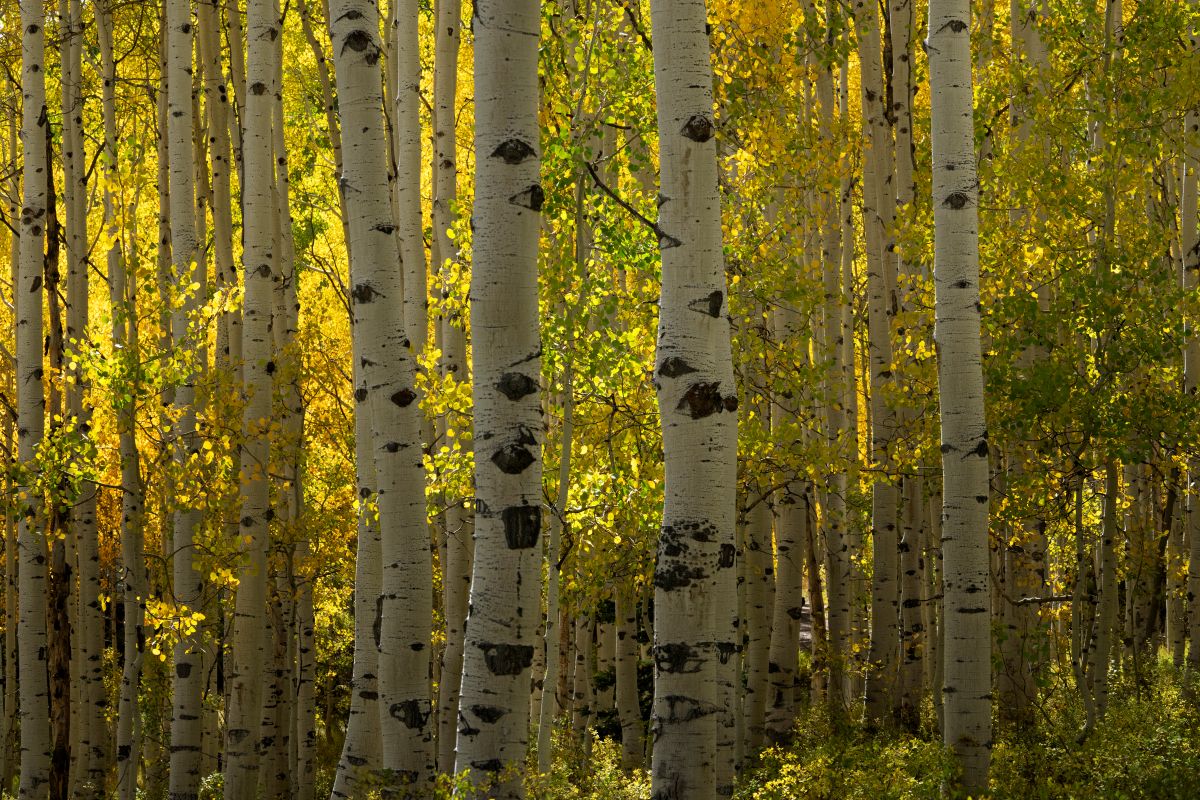
Fast-growing deciduous trees, such as hybrid aspen and poplar, have great potential both on forest and agricultural land. In this webinar, we go through how to succeed with the cultivation of these tree species.
High-growth hybrids
Hybrid aspen is a cross between our native aspen (Populus tremula) and American aspen (Populus tremuloides). Among poplars, hybrids between different balsam poplars occur in particular, where the most commonly used planting material is a cross between Populus trichocarpa and Populus maximowiczi.

-
That’s a remarkable amount of work hours for a single machine, the Norcar 600 owned by Erkki Rinne is taken well care of, it even has the original Diesel engine.
-
Kieran Anders is a forestry contractor working in the lake district. His work involves hand cutting and extracting timber using a skidder and tractor-trailer forwarder.
-
It is not possible to eliminate chain shot, but there are simple steps that can be taken to reduce the risk.
-
Arwel takes great pride in the fact that the mill has no waste whatsoever, “the peelings are used for children’s playgrounds, gardens and for farm animals in barns in the winter and the sawdust has multiple uses in gardens and farms as well.
-
Timber hauliers need to encourage young blood in, and also look after the hauliers we have, we need make the sector a safe and positive place to work.
FIND US ON
Related Posts
Both hybrid aspen and poplar are distinguished by high growth and large timber production. Studies on agricultural land showed that growth can reach 20–25 cubic metres per hectare per year.
Elements of deciduous trees in coniferous landscapes contribute to increased biodiversity. Cultivation of hybrid aspen has been shown to work on forest land and can thus provide varied habitats for plants and animals.
Establishment and cultivation
Proper establishment and management provide the potential for high production of biomass and short rotation times, which can contribute with, for example, renewable raw materials for fossil-free energy.
The first generation of trees must be planted. When a planted stand is felled, stumps or roots often provide an abundant spread of new shoots, which reduces the need for new planting. A characteristic of the hybrid aspen is its ability to shoot dense shoots with root shoots. Poplar, on the other hand, mainly shoots stump shoots and the emergence of the new generation thus becomes more dependent on the unit in the final felling of the previous generation.
Studies show a high initial growth of these shoots for both tree species. The dense spread reduces the risks of grazing damage and is suitable for management focused on biomass production. If the goal is timber production, heavy clearing is required.
Challenges
At the same time, there are challenges. Successful cultivation requires tested and robust clones, and for many regions there is still a limited selection.
The nature of the soil is also crucial. The trees thrive best on nutrient-rich, water-retaining soil, while establishment on drier soil may fail. Establishment of poplar on acidic soil is particularly problematic and liming may be necessary.
Management is important, especially regular clearing and protection against wildlife, in order for the populations to develop optimally and provide both quality and volume. Poplar is even more sensitive than hybrid aspen, with greater variation in survival and quality, which makes the choice of clone crucial.
Large variations between clones
The research shows that the variation in volume production between the clones is large, which underlines the importance of choosing the right planting material. The range of poplar clones is very limited due to the fact that many of the clones are affected by stem and leaf diseases.
New genetic tests from 2022 with unique material from crossbreeds in Canada, clearly indicate that the supply of clones that can cope with Swedish climate and soil conditions may increase within the next few years. The shortage of clones for central and northern Sweden remains.

In conclusion
Hybrid aspen and poplar thus offer rapid growth, short rotation time and opportunities for diversification of the forest landscape. But to achieve success with the tree species,
- The right ground
- Access to and careful selection of clones
- protection against wildlife damage
- careful care.
For landowners who are open to alternative strategies, poplar hybrid aspen can be an important piece of the puzzle — a way to combine productivity, renewable biomass production and increased variety in the forest.
Source Skogsforsk
Sign up for our free monthly newsletter here
Contact forestmachinemagazine@mail.com to get your products and services seen on the world’s largest professional forestry online news network.
#homeoflogging #writtenbyloggersforloggers #loggingallovertheworld
Written by loggers for loggers and dedicated solely to the equipment used in forestry operations.