Retrieving sinker logs from historical US logging operations
Sinker Logs-During the late 1800s and early 1900s, logs were commonly floated down rivers to reach sawmills for processing. This method, known as log driving, was essential for transporting timber from remote forests to urban areas for construction and other uses. However, dense tree species, particularly old-growth hardwoods such as oak and maple, were prone to sinking in water due to their weight.

-
That’s a remarkable amount of work hours for a single machine, the Norcar 600 owned by Erkki Rinne is taken well care of, it even has the original Diesel engine.
-
Kieran Anders is a forestry contractor working in the lake district. His work involves hand cutting and extracting timber using a skidder and tractor-trailer forwarder.
-
It is not possible to eliminate chain shot, but there are simple steps that can be taken to reduce the risk.
-
Arwel takes great pride in the fact that the mill has no waste whatsoever, “the peelings are used for children’s playgrounds, gardens and for farm animals in barns in the winter and the sawdust has multiple uses in gardens and farms as well.
-
Timber hauliers need to encourage young blood in, and also look after the hauliers we have, we need make the sector a safe and positive place to work.
FIND US ON
As a result, many of these valuable logs were lost beneath the surface, where they remain preserved to this day, often in remarkably good condition. The underwater environment effectively preserves them, offering an intriguing glimpse into the past and the timber industry’s practices of that period.
Why are they so valuable?
Old-growth timber is characterised by a tighter grain and significantly higher density compared to contemporary alternatives. The natural preservation process, facilitated by low oxygen levels, effectively slows down decay. Additionally, this timber type exhibits unique aesthetic qualities, with rich colours and dramatic grain patterns. Consequently, it commands a premium price and is sought for applications such as fine furniture, musical instruments, flooring, and veneers.
Common species include:
Oak, Walnut, Cypress, Pine (especially heart pine) and even Teak (in some regions)
How the salvaging is done
Location and Surveying
The use of side-scan sonar enables high-resolution seabed imaging, facilitating the detection of submerged objects and formations. When coupled with magnetometers, which measure magnetic field variations to identify potentially iron-rich wrecks or archaeological sites, these tools significantly enhance the accuracy of site identification. Historical cartographic resources, including navigational charts and maritime maps, serve as invaluable references, providing context and insights into past maritime activities and the locations of potential sites of interest. Additionally, diver reconnaissance provides a crucial hands-on approach, enabling verification of sonar and magnetic data through direct observation and exploration, ensuring thorough, reliable site assessments. This multifaceted methodology ensures a comprehensive understanding of underwater environments and the precise identification of significant sites.

Recovery
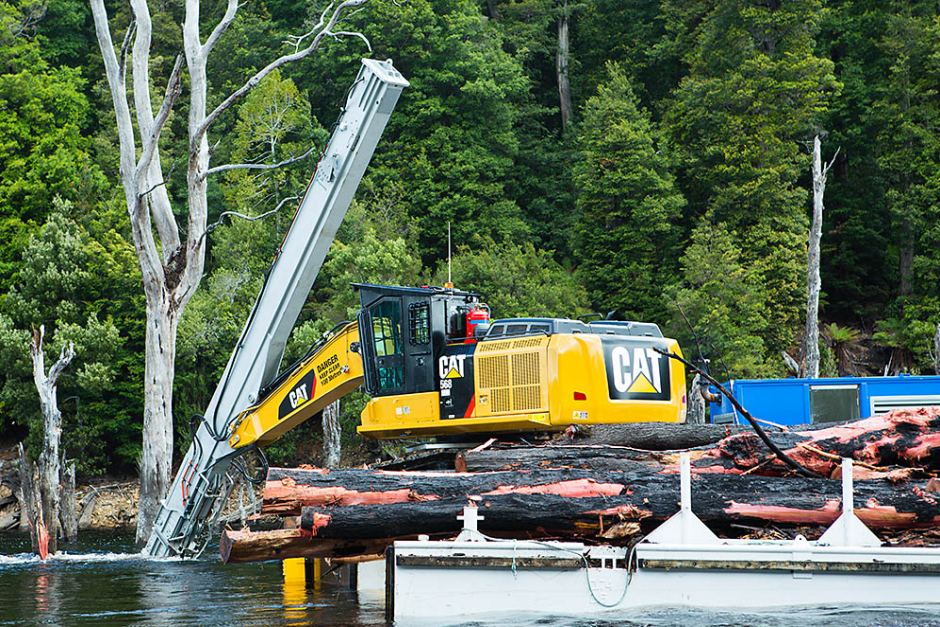
Diver teams utilise lift bags or cables to secure artefacts during recovery operations. These operations can involve techniques such as floating logs, winching, or using long-reach excavators to bring items to the surface.
Transport
Artefacts are carefully transported to the shore with precision protocols in place to mitigate the risk of damage, particularly cracking. This process involves using specialised handling techniques and equipment to ensure the integrity of the objects is preserved throughout transit.
Milling and Drying
Initially, the materials undergo air-drying to remove surface moisture. This is followed by a controlled kiln-drying process that regulates temperature and humidity to preserve the material’s structural integrity.
Legal & environmental considerations are one of the biggest hurdles
Permits are typically required and are often obtained from relevant environmental, forestry, or water authorities. Material recovery may be restricted in protected waterways. Environmental impact assessments are frequently mandated. Additionally, claims related to Indigenous or heritage rights may be applicable. Engaging in illegal recovery activities could result in substantial fines or the confiscation of equipment.
Challenges:
The recovery process presents numerous challenges, including limited visibility and hazardous diving conditions. Additionally, there are concerns about log degradation, including checking, mineral staining, and metal inclusions. The financial implications of recovery can be substantial, compounded by extended drying periods that may last for several years.
Modern Uses of Wood:
High-end Furniture: Crafted from premium hardwoods, high-end furniture pieces exemplify elegance and durability. These bespoke items often feature intricate craftsmanship, custom finishes, and unique designs that highlight the natural beauty of the wood, making them focal points in any space.
Musical Instruments: Wood plays a crucial role in the manufacture of numerous musical instruments, including pianos, violins, and guitars. The choice of wood significantly influences the instrument’s acoustic properties, contributing to its tone, resonance, and overall sound quality.

Architectural Beams: In contemporary architecture, wooden beams are utilised for both structural support and aesthetic appeal. Engineered wood products, such as glulam and cross-laminated timber, enable innovative designs while maintaining strength and sustainability, often creating open, airy interiors.
Custom Slabs and Tables: Live-edge slabs and handcrafted tables showcase the natural contours and grains of the wood, resulting in one-of-a-kind pieces. These custom elements are increasingly sought after for dining settings or as statement furniture in living rooms, merging functionality with artistry.
Luxury Flooring: High-quality hardwood flooring enhances the interior of any home with warmth and sophistication. Available in a variety of finishes and styles, luxury flooring options offer not only durability but also the ability to elevate the overall aesthetics of residential and commercial spaces.
The most valuable sinker logs come from known logging routes.
Rivers utilised for log drives during the 1800s to early 1900s were often characterised by features that facilitated timber transport. Key indicators of these historic log drives include the proximity to abandoned sawmills or boom locations, where logs were once sorted and gathered for processing. Additionally, remnants of old rail spurs that terminated near the water’s edge can provide valuable insights into historical logging routes and transport infrastructure.
The river’s topography played a crucial role in log handling and transport. Sharp river bends, sudden rapids, or mill dams often created obstacles that could trap or sink logs, making these areas significant for historical analysis.
Moreover, delving into historical forestry maps and shipping records is often more advantageous than relying solely on modern sonar technology. These historical documents can reveal patterns of logging activity, the locations of sawmills, and changes in river navigation over time, offering a rich context for understanding the evolution of the region’s timber industry.
Sign up for our free monthly newsletter here
Contact forestmachinemagazine@mail.com to get your products and services seen on the world’s largest professional forestry online news network.
#homeoflogging #writtenbyloggersforloggers #loggingallovertheworld
Written by loggers for loggers and dedicated solely to the equipment used in forestry operations.