Could Suncream made from wood be the future of skin care?
Wooden Suncream-Sunscreen is crucial for protecting against sunburn, skin cancer, and age-related skin changes. However, recent research conducted by La Roche-Posay reveals that 22% of young adults believe that daily sunscreen use is more detrimental than direct sun exposure. In their study, the brand surveyed 2,000 consumers in the United Kingdom to gather insights on the misconceptions surrounding sun protection.

-
That’s a remarkable amount of work hours for a single machine, the Norcar 600 owned by Erkki Rinne is taken well care of, it even has the original Diesel engine.
-
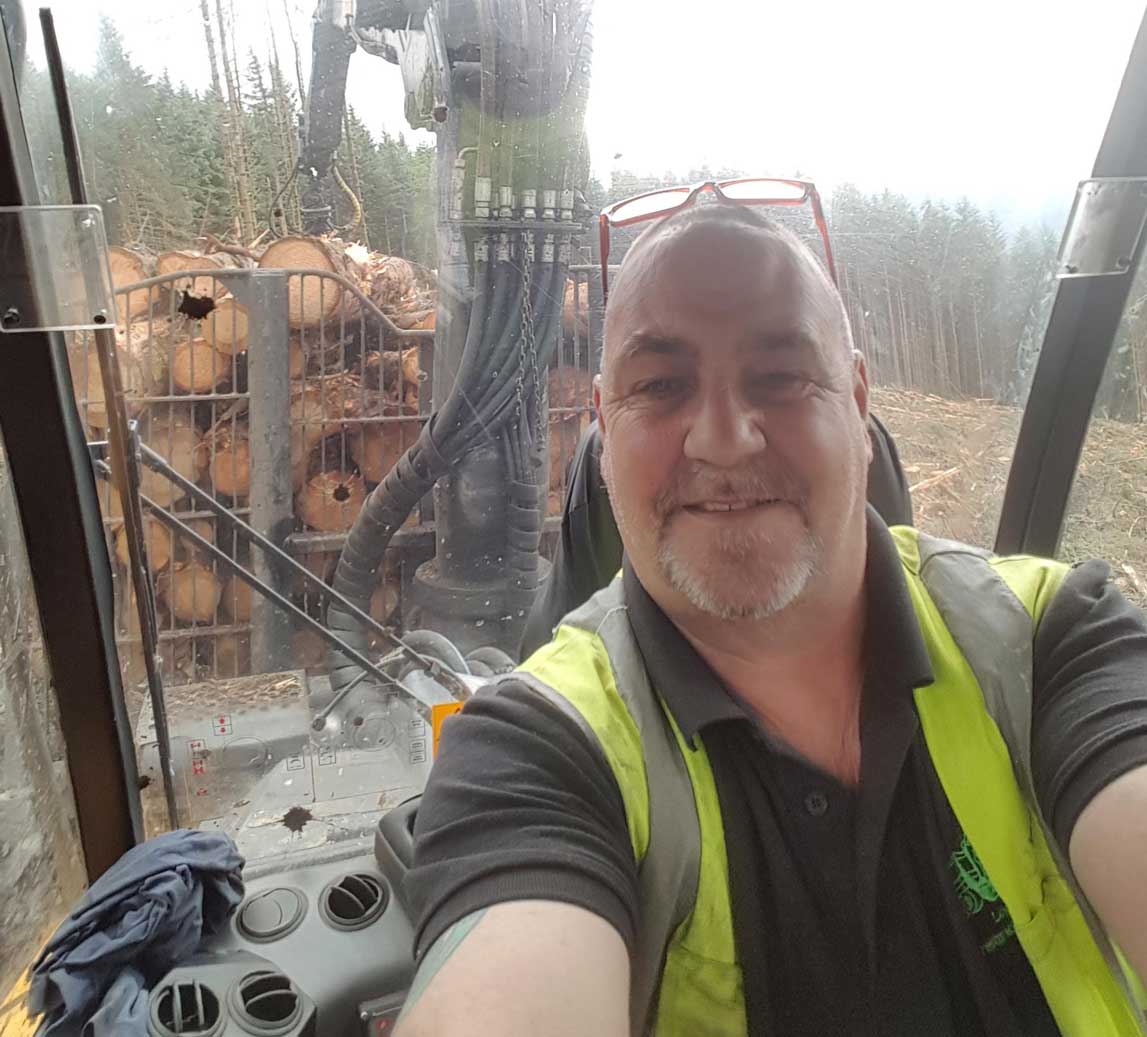
Kieran Anders is a forestry contractor working in the lake district. His work involves hand cutting and extracting timber using a skidder and tractor-trailer forwarder.
-
It is not possible to eliminate chain shot, but there are simple steps that can be taken to reduce the risk.
-
Arwel takes great pride in the fact that the mill has no waste whatsoever, “the peelings are used for children’s playgrounds, gardens and for farm animals in barns in the winter and the sawdust has multiple uses in gardens and farms as well.
-
Timber hauliers need to encourage young blood in, and also look after the hauliers we have, we need make the sector a safe and positive place to work.
FIND US ON
Nineteen percent of individuals believed that sunburn could not occur within the first thirty minutes of exposure to sunlight. This misconception was more prevalent among the demographic aged between 25 and 34 years, with 29% subscribing to this belief. Additionally, twenty-two percent of respondents indicated that they considered sunscreen to be necessary only during the summer months, despite the fact that UV rays are present throughout the entire year. Given the significant level of misinformation among UK consumers regarding skin protection from the sun, there exists an urgent need for enhanced educational initiatives focused on the prevention of sun-related skin damage.
Sunscreens can be classified into two categories: chemical and physical. Chemical sunscreens function by absorbing UV rays and converting them into heat; however, their active components are susceptible to photo-degradation and free-radical generation, which can destabilize the sunscreen’s molecular structure. In contrast, physical sunblocks operate by scattering and reflecting UV rays from the surface of the skin. While they provide a broader spectrum of protection, their photo-catalytic properties and minimal particle size pose potential risks. The synthetic compounds utilized in these products can have detrimental effects on both human health and the environment. In light of growing concerns regarding the penetration of common sunscreen chemicals into the bloodstream, there has been an increasing demand for eco-friendly and safer alternatives.
Indeed, recently there have been increased efforts to replace synthetic UV filters in suncreams with natural substances. Wood is a material that is very effective at scattering light as a result of its cellular structure, absorbing light through one of its components, lignin. The compound is an organic polymer in the cells of many plants which makes them rigid and woody. It also offers sun protection factors (SPFs) that exceed 180. Lignin has a natural phenolic network that forms a shield against ultraviolet light, offering protection against the sun without the need for petroleum-based filters.
The use of lignin as sun protection for skin is promising, particularly as a renewable and waste-free resource. Each year, 70 million tonnes of lignin are incinerated as boiler fuel, and by using the material in suncream, we can prevent the destruction of this valuable resource that occurs currently from not using it to its full potential. By replacing 4% of petro-chemical filters in use currently, eight tonnes of pulp lignin could be diverted from boilers. This change could prevent as much as 24 tonnes of CO2 from being released.
The process of creating the lignin-based wooden suncream involves applying ground wood powder as an additive, blended together with a commercial cosmetic cream. The mixture is stirred in the dark, at room temperature for 24 hours. Samples were then dried and UV transmittance was measured to assess SPF values. The softwood variant in particular increased the SPF threefold, with lignin absorbing from 80% to 95% of total UV radiation. However, lignin turns dark when isolated from woody biomass at high temperatures and/or extreme pH values. This colour change poses an issue for its use as sunscreen; however, when wood powder is used instead, the product maintains its original colour. This occurs due to the absorption and scattering of light that does not occur in isolated lignin, and the wood powders remain lighter in colour than the chocolate brown that develops with raw, technical lignin.
The utilisation of lignin presents a competitive alternative to commercial broad-spectrum filters, achieving effectiveness with only one-quarter of the synthetic components typically required. Given that lignin is already recognized as safe for food contact and has received global regulatory approval, it is anticipated that the associated regulatory challenges will be less burdensome compared to the introduction of entirely novel compounds. It is hoped that, in the future, wood powder will be

employed as a renewable and environmentally sustainable UV-blocking additive across various industries. Should this transition gain widespread acceptance, the waste generated by the logging industry could be repurposed more effectively for sun protection applications. This approach underscores the potential for a more environmentally responsible cosmetic industry, emphasizing the importance of leveraging sustainable resources rather than relying on fossil fuels or potentially harmful synthetic alternatives.
Sign up for our free monthly newsletter here
Contact forestmachinemagazine@mail.com to get your products and services seen on the world’s largest professional forestry online news network.
#homeoflogging #writtenbyloggersforloggers #loggingallovertheworld
Written by loggers for loggers and dedicated solely to the equipment used in forestry operations.