
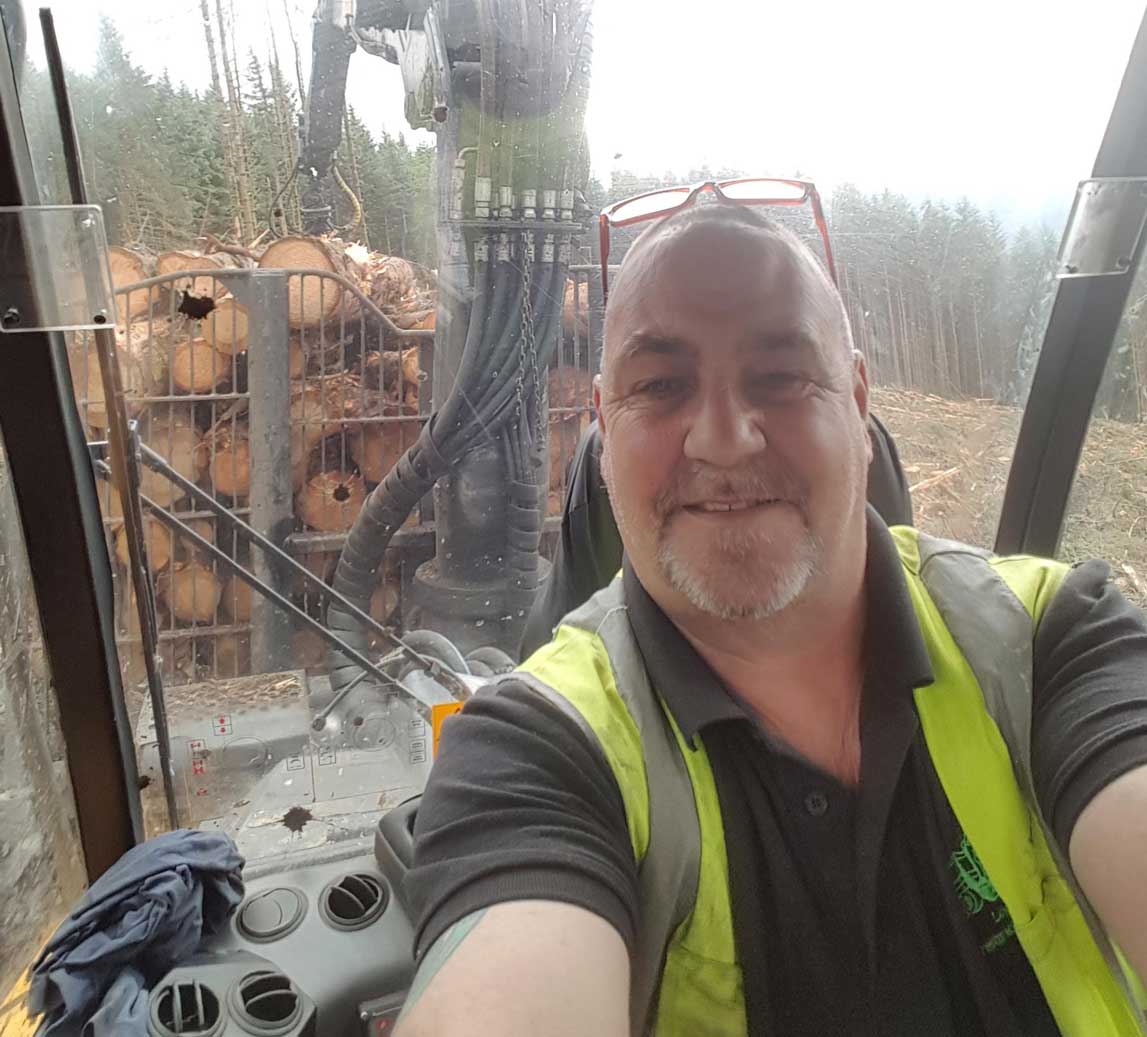

A harvester operator can invoice by the tonne, the day or the cubic metre and still be found to be a worker or employee if the working arrangement says otherwise.
That is the point often missed when people ask, can forestry workers be self-employed? In the UK, self-employment is not created by a CIS-style deduction, a UTR number, an invoice or a contract heading. It depends on what happens on the ground.
-
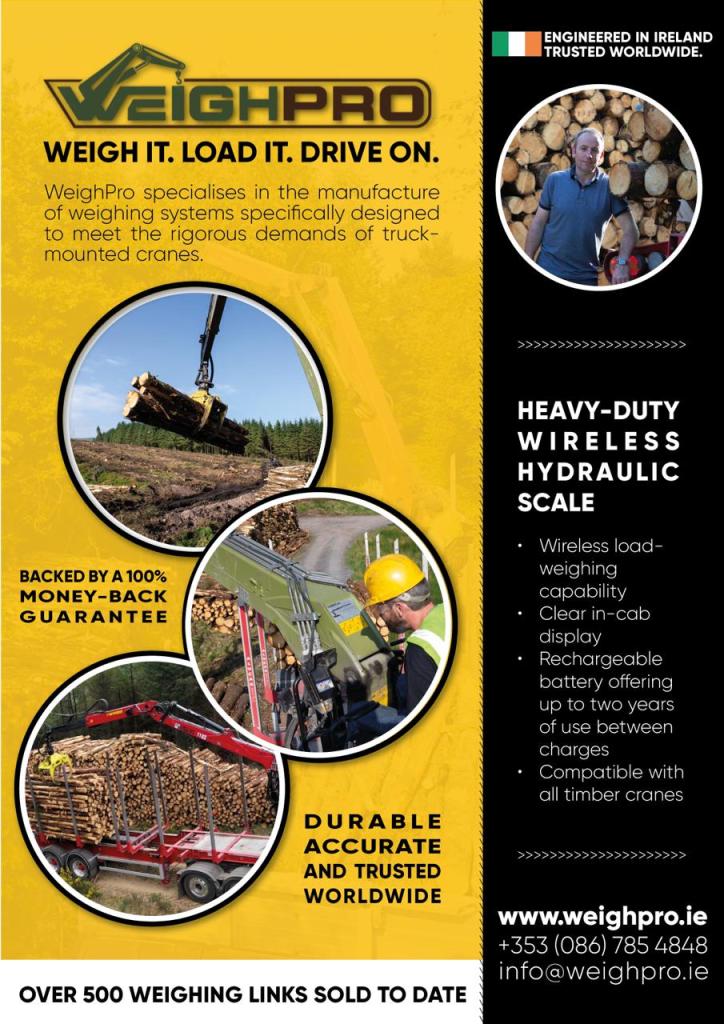
The WeighPro Wireless Weighing Link represents a precise and dependable weighing system designed specifically for round timber, eliminating the need for re-calibration. This system offers operators minimal maintenance requirements, boasting an impressive battery life of up to two years between recharges.
-
That’s a remarkable amount of work hours for a single machine, the Norcar 600 owned by Erkki Rinne is taken well care of, it even has the original Diesel engine.
-
It is not possible to eliminate chain shot, but there are simple steps that can be taken to reduce the risk.
-
Arwel takes great pride in the fact that the mill has no waste whatsoever, “the peelings are used for children’s playgrounds, gardens and for farm animals in barns in the winter and the sawdust has multiple uses in gardens and farms as well.
-
Timber hauliers need to encourage young blood in, and also look after the hauliers we have, we need make the sector a safe and positive place to work.
FIND US ON
For forestry contractors, the distinction matters. It affects tax, holiday entitlement, pension duties, insurance, liability after an incident and the true cost of putting another operator or cutter into the woods. Get it right and an independent contractor can build a sound business. Get it wrong and the principal contractor or woodland owner may face arrears, employment claims and unwanted attention from HMRC.
Can forestry workers be self-employed?
Yes. Many people working in harvesting, manual felling, forwarding, haulage, fencing, woodland management and biomass are genuinely self-employed. They may operate as sole traders, in partnerships or through limited companies, supplying a defined service to several clients.
The issue is whether they are genuinely running their own operation, rather than simply filling a regular labour slot under another business’s control. Forestry has plenty of arrangements that sit close to the line: a chainsaw operator who works only for one contractor all year; a machine driver using the contractor’s harvester; or a forwarder owner who is booked into one long-term harvesting contract but controls their own hours, maintenance and output.
No single factor decides the position. HMRC, tribunals and regulators look at the whole arrangement. A written subcontract agreement helps, but it will not override the facts of the job.
What separates a contractor from an employee?
In practical terms, three questions carry weight: control, personal service and business risk.
Control means who decides how the job is carried out. A principal contractor will always need to control site safety, extraction routes, exclusion zones, environmental conditions and the agreed work specification. That does not automatically make every subcontractor an employee. But if the contractor sets the operator’s daily hours, directs every movement, approves holidays and manages them like part of the permanent crew, the case for self-employment weakens.
Personal service asks whether the individual must turn up themselves. A genuine contractor may be able to send a suitably competent substitute or provide another machine and operator when required. That right must be real, not just a sentence nobody would ever allow to be used on an active harvesting site. Any replacement still has to meet the client’s competence, induction and insurance standards.
Business risk is particularly visible in forestry. A self-employed contractor normally prices work, maintains plant, pays fuel and repairs, carries downtime, replaces worn chains and saw equipment, and can make a profit or a loss through better output and cost control. An operator paid a fixed hourly rate while using somebody else’s machine, fuel, workshop and transport looks less like an independent business, even if they submit an invoice every Friday.
Other signs matter too. A contractor with several customers, their own branding, separate business premises, accounts, plant finance and the ability to quote for work presents a stronger independent position. Equally, exclusivity is not fatal. A specialist harvester may work on a long contract for one customer because that is where the timber programme is, but the wider commercial reality must support the arrangement.
Forestry work does not remove employment duties
Calling labour self-employed does not make the principal contractor’s duties disappear. Under health and safety law, woodland managers, employers, contractors and the self-employed all have responsibilities. The party controlling the site must still plan the operation properly, assess risks, organise inductions, manage public access, set safe working boundaries and coordinate machinery movements.
For high-risk work, competence is not a paperwork exercise. Anyone felling, processing, winching, operating a harvester or forwarding timber needs appropriate training, experience and supervision for the task. Proof of competence, current first-aid provision where required by the risk assessment, suitable PPE and clear emergency arrangements should be checked before work starts.
A self-employed chainsaw contractor must provide and maintain their own PPE and equipment unless the contract states otherwise. They must also work to the site rules and stop if conditions become unsafe. The fact that someone is paid per tonne or per tree does not justify shortcuts around windblow, hung-up trees, steep ground or poor extraction conditions.
This is where written arrangements need to be backed by a proper site pack. The scope of work, boundaries, map references, environmental constraints, overhead hazards, access arrangements, fuel procedures, emergency contacts and who is responsible for traffic management should be clear. On a commercial site, vague instructions cost time and create risk.

Tax, National Insurance and how to trade
A sole trader is the straightforward route for many one-person forestry businesses. The operator registers for Self Assessment, declares income and allowable expenses, and pays Income Tax and National Insurance based on profits. They should keep records of invoices, fuel, servicing, repairs, PPE, accountancy costs, vehicle costs and relevant training.
A limited company can suit an established contractor with significant plant, employees or retained profits, but it brings additional reporting, accountancy and company law responsibilities. It is not a badge that automatically proves self-employment. A limited company providing one individual to work under a client’s day-to-day control can still raise employment-status questions, including off-payroll working rules where they apply.
VAT is another commercial consideration. Once taxable turnover passes the registration threshold, registration is mandatory. Below it, voluntary registration can help recover VAT on major costs, but it also adds administration and may affect how competitive a quote looks to customers who cannot recover VAT. Machine ownership, repair bills and the type of client base all need weighing up with an accountant who understands contracting businesses.
Forestry operations are not generally treated in the same way as construction under the Construction Industry Scheme. However, work can overlap with construction where it includes civil engineering, site preparation or infrastructure work. Do not assume the label “forestry” settles the position. Check the exact scope before deductions are made or accepted.
Insurance and plant exposure
The self-employed operator takes on risks that payroll staff do not always see. Public liability insurance is a basic expectation for most forestry contracts, but the required limit should match the client, site and work. Damage to a neighbouring property, an injury to a member of the public or a fire involving plant can quickly exceed a low cover level.
If the business employs anyone, even casually, employers’ liability insurance will usually be required. Plant insurance needs close reading too. A policy should reflect where and how the machine is used, including forestry work, road movements, theft risk, attachments and hired-in replacement plant. Standard agricultural cover may not meet the needs of a harvester, forwarder, timber trailer or specialist winch operation.
For haulage, the exposure broadens again. Vehicle cover, goods in transit, operator licensing, drivers’ hours and load security must be dealt with properly. Running timber a short distance from forest gate to mill is still commercial transport, not an informal favour between contractors.
Pricing self-employed forestry work properly
The common mistake is comparing a subcontract rate with an employee’s take-home pay. That is the wrong comparison. A self-employed rate has to cover tax, unpaid holidays, sickness, pension provision, insurance, accountancy, training, PPE, vehicle costs, downtime and, for plant owners, finance, depreciation, servicing and breakdowns.
A machine contractor also needs to know what the rate assumes. Is it per productive machine hour, shift, tonne roadside or tonne delivered? Who carries the cost of weather stoppages, timber stack delays, poor ground, blunt timber, bridge restrictions and breakdown recovery? Is fuel included? Is there a minimum day rate? When will weighbridge figures be issued and when will invoices be paid?
These are commercial questions, but they also help demonstrate a genuine business-to-business relationship. A contractor that negotiates scope, quotes a rate and carries defined operational risk is in a different position from a person told where to report and paid the same weekly amount regardless of output.
Put the agreement on paper
A useful forestry subcontract agreement does not need pages of legal theatre. It does need clarity. It should identify the work area and specification, payment basis, invoicing terms, responsibility for fuel and consumables, plant standards, insurance requirements, safety obligations, substitution arrangements, responsibility for defects and the process for stopping unsafe work.
Avoid contracts that say “self-employed” on page one but then demand fixed hours, personal attendance, exclusive service and compliance with every internal employment policy. That contradiction is exactly what causes trouble later. Review longstanding arrangements as crews, machines and contracts change, rather than relying on paperwork signed years ago.
For anyone stepping out on their own, the sensible first job is not buying the biggest machine available. Price the work honestly, insure it properly, keep a clean record of competence and build contracts that reflect how you actually operate. In forestry, independence is earned through control of the job, responsibility for the result and enough margin to keep working when the woods turn difficult.
Contact forestmachinemagazine@mail.com to get your products and services seen on the world’s largest professional forestry online news network.
#homeoflogging #writtenbyloggersforloggers #loggingallovertheworld
Written by loggers for loggers and dedicated to bringing you the latest forestry news