Forest industries call for realistic and enabling EU LULUCF climate target
In a joint letter to the European decision-makers, the Nordic, Baltic and Austrian forest industries call for a realistic and enabling climate target for the land‑use sector that supports Europe’s climate ambitions while strengthening competitiveness and the bioeconomy.
“Phasing out fossil emissions is a key tool at the core of EU climate policy. To this end, Europe needs a resilient bioeconomy that also strengthens competitiveness by making full use of renewable, fossil-free raw materials from forests” says Viveka Beckeman, Director General of the Swedish Forest Industries Federation.
-
The WeighPro Wireless Weighing Link represents a precise and dependable weighing system designed specifically for round timber, eliminating the need for re-calibration. This system offers operators minimal maintenance requirements, boasting an impressive battery life of up to two years between recharges.
-
That’s a remarkable amount of work hours for a single machine, the Norcar 600 owned by Erkki Rinne is taken well care of, it even has the original Diesel engine.
-
It is not possible to eliminate chain shot, but there are simple steps that can be taken to reduce the risk.
-
Arwel takes great pride in the fact that the mill has no waste whatsoever, “the peelings are used for children’s playgrounds, gardens and for farm animals in barns in the winter and the sawdust has multiple uses in gardens and farms as well.
-
Timber hauliers need to encourage young blood in, and also look after the hauliers we have, we need make the sector a safe and positive place to work.
FIND US ON
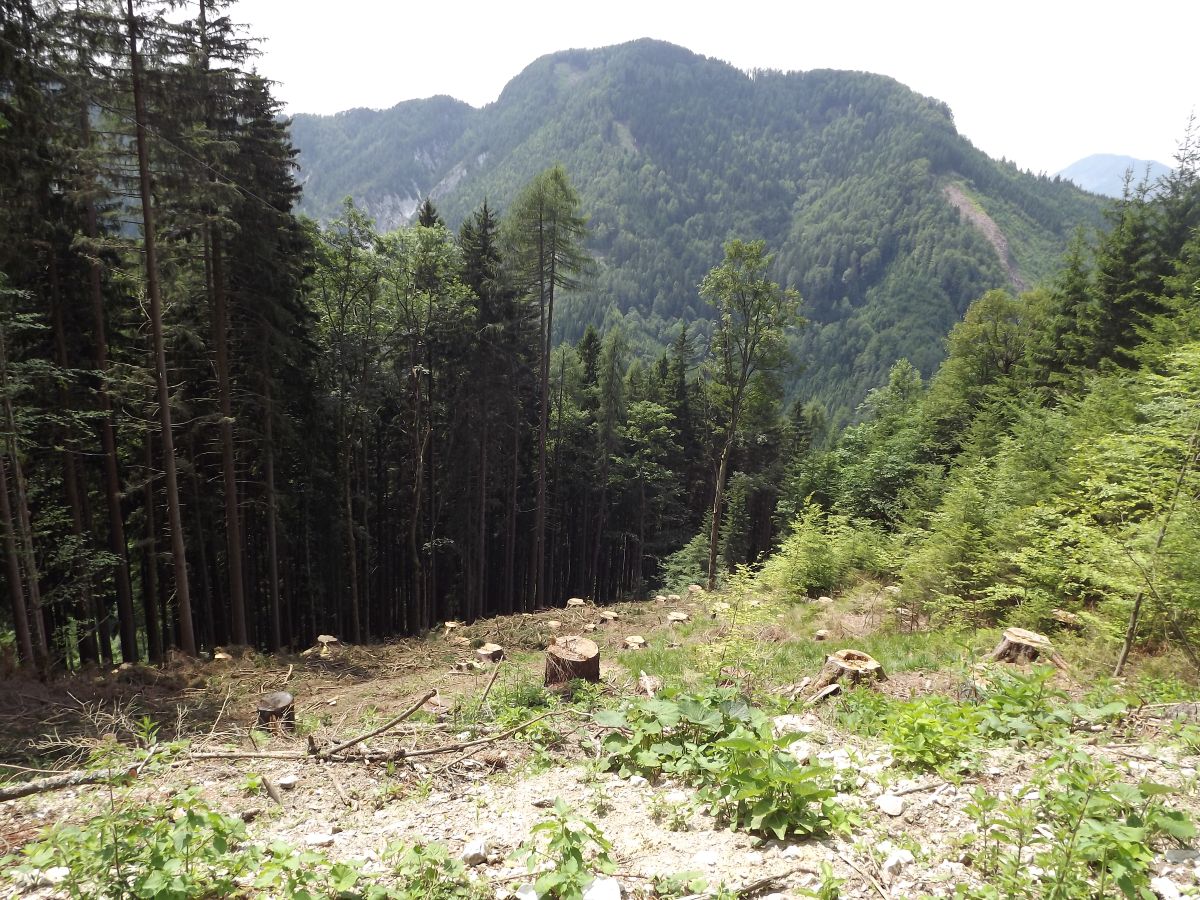
EU fossil emissions are currently approximately 15 times higher than the carbon sink within the EU area. Further action is needed to reduce fossil emissions, and forest industry products can help in this. Renewable forest-based materials help replace carbon fossil-intensive alternatives in construction, packaging, energy and other sectors, supporting Europe’s transition towards a circular and climate-neutral economy. The organisations propose that future EU climate policy should introduce indicative targets for the land-use sector (LULUCF), based on Member States’ own assessments of national circumstances and future projections
Realistic Framework
Such an approach would provide flexibility for active forest management and long-term investments while avoiding obligations and targets whose feasibility and effectiveness remain uncertain and whose achievement depends on the inherently variable and unpredictable nature of natural processes and climate-related developments beyond direct human control.
“A realistic and flexible framework for the land‑use sector would allow Europe to deliver climate benefits while strengthening the bioeconomy and industrial competitiveness. That combination is essential for Europe’s long-term resilience and prosperity,” says Paula Lehtomäki, CEO of the Finnish Forest Industries Federation.
The organisations also stress that voluntary instruments such as the Carbon Removal Certification Framework (CRCF) must remain voluntary and not become binding obligations under the EU climate framework.
Predictable, practical and science-based rules are essential for businesses, forest owners and investors making long-term decisions. A climate framework grounded in the realities of the land‑use sector can help accelerate the transition away from fossil emissions and enable a stronger, more competitive European bioeconomy.
Finnish Forest Industries

Contact forestmachinemagazine@mail.com to get your products and services seen on the world’s largest professional forestry online news network.
#homeoflogging #writtenbyloggersforloggers #loggingallovertheworld
Written by loggers for loggers and dedicated solely to the equipment used in forestry operations.