A harvester can be worth several hundred thousand pounds, but the bigger loss after a serious incident is often the work it stops. A machine off the road, a damaged timber wagon, a third-party injury or a blocked extraction route can quickly turn a productive contract into a costly dispute.
This insurance guide for forestry contractors highlights the essential types of coverage to evaluate before starting any tree felling activities. It serves as a crucial resource to ensure that all necessary protections are in place before a principal contractor requests to see the insurance certificate. This insurance guide sets out the cover UK operators should scrutinise before the first tree is felled – and before a principal contractor asks to see the certificate.

-
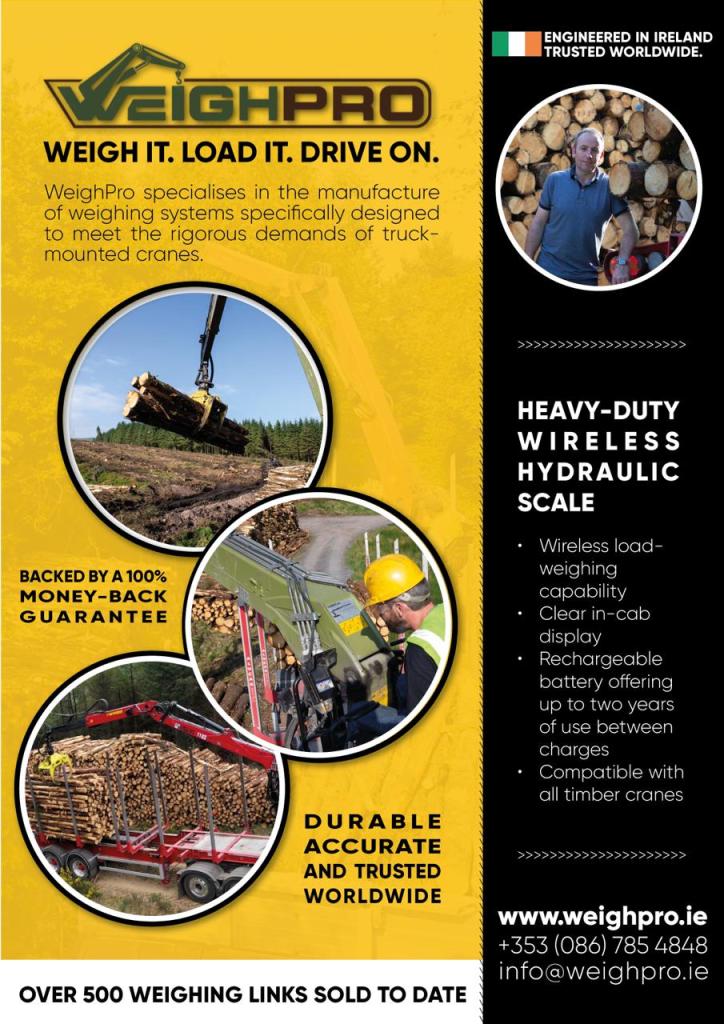
The WeighPro Wireless Weighing Link represents a precise and dependable weighing system designed specifically for round timber, eliminating the need for re-calibration. This system offers operators minimal maintenance requirements, boasting an impressive battery life of up to two years between recharges.
-
That’s a remarkable amount of work hours for a single machine, the Norcar 600 owned by Erkki Rinne is taken well care of, it even has the original Diesel engine.
-
It is not possible to eliminate chain shot, but there are simple steps that can be taken to reduce the risk.
-
Arwel takes great pride in the fact that the mill has no waste whatsoever, “the peelings are used for children’s playgrounds, gardens and for farm animals in barns in the winter and the sawdust has multiple uses in gardens and farms as well.
-
Timber hauliers need to encourage young blood in, and also look after the hauliers we have, we need make the sector a safe and positive place to work.
FIND US ON
Forestry contractors insurance guide: start with the work
No useful one-size-fits-all forestry policy exists. A business running one forwarder and owner-operators on private estates faces different risks than a contractor operating harvesters, timber lorries, low-loaders, chainsaw teams, and roadside processing across several counties.
The first job is to describe the operation honestly. Insurers need to know whether you carry out mechanised harvesting, manual felling, thinning, ground preparation, stump treatment, biomass work, timber haulage, roadside loading, sawmilling or woodland management. They also need to understand where the work happens: commercial forests, estates, highway verges, utility corridors, rail-side sites or public-access woodland all carry different exposures.
Do not rely on a vague description such as “forestry work”. If the policy schedule says landscaping, agricultural contracting or general groundworks, it may not properly reflect harvesting and extraction. That matters when a claim involves a tree striking property, a machine fire during processing, or an incident on a publicly accessible site.
Contracts can create their own insurance obligations. Check the wording before signing, particularly where a forestry management company, landowner or timber buyer requires specific liability limits, an indemnity, or rights of recovery against subcontractors. A cheap policy becomes expensive if it fails a contract compliance check or leaves the contractor carrying liability they thought they’d passed on.
Public liability is not just a certificate
Public liability cover responds where your work injures a third party or damages their property. In forestry, that can mean a member of the public entering a work area, a falling tree damaging a neighbouring fence, a loader contacting a parked vehicle, or timber rolling from a stack after the crew has left site.
The contract often drives the required limit. £5 million may be acceptable for routine private-forest work, while clients with public exposure, utilities, local authorities or major estates may ask for £10 million or more. The right figure depends on the work, not simply what the previous contractor carried.
Pay close attention to exclusions and definitions. Work at height, work near roads, tree felling, damage to underground services and pollution can all be areas where wording varies. Forestry sites are rarely tidy, controlled workshops. A public footpath, overhead line, culvert or neighbouring property can sit much closer to the working area than the map suggested.
Public liability also will not replace good site control. Clear signage, exclusion zones, recorded briefings, daily checks and competent operators remain the first line of defence. Insurers will ask about those controls after an incident, especially when the risk was foreseeable.
Employers’ liability and labour on site
If you employ staff, employers’ liability insurance is generally required by law. The statutory minimum cover is £5 million, although many policies provide £10 million. It protects the business if an employee suffers injury or illness connected with their work.
Forestry labour arrangements need particular care. A self-employed chainsaw operator, machine driver or groundsman may still be treated as an employee for insurance purposes if the business controls their hours, equipment, supervision and work method. Calling someone a subcontractor does not settle the question.
Ask subcontractors for current evidence of their own public liability and, where relevant, employers’ liability cover. Keep a record, but do not stop there. Check that their activity is actually included and that the policy has not lapsed halfway through a job. Labour-only subcontractors can create gaps in many contractors’ arrangements because they may effectively be part of your workforce while assuming their own policy will cover every eventuality.
Training and competence records matter here. Lantra, NPTC or equivalent tickets, machine familiarisation, maintenance records, fatigue management and documented risk assessments do not guarantee cover, but they are vital evidence if a claim questions whether reasonable precautions were taken.
Plant cover needs the right values and conditions
A harvester, forwarder, skidder, tractor, crane, woodchipper and processor are not interchangeable items of plant. Their values, transport requirements, theft appeal and repair lead times vary sharply. Plant insurance should be based on the cost to replace the machine on the declared basis, including attachments where they are separately valued.
Under-declaring values is a false economy. If a fire destroys a machine and the sum insured is well below its replacement value, the settlement may not fund a like-for-like return to work. Review values at renewal and after buying a new head, winch, grab, trailer or other high-value attachment. Currency movement and long manufacturer lead times have made old values particularly unreliable.
Ask whether cover is on an all-risks basis, what applies while the machine is working, and whether accidental damage, fire, theft, malicious damage and recovery costs are included. Also check the excess. A £5,000 excess may be manageable for major loss, but less useful for the cab glass, hose, guard, and attachment damage that actually occurs in daily operations.
Hired-in plant deserves its own conversation. A contractor hiring a replacement forwarder after a breakdown may be responsible for the hire company’s machine under the hire agreement. Liability can include repair costs, theft, and ongoing hire charges while the plant is unavailable. Don’t assume your plant policy automatically covers it.
Motor, haulage and timber in transit
A forestry motor policy must reflect every vehicle and use: pickups, crew vans, timber wagons, low-loaders, tractors on the road and any specialist unit moving between sites. Haulage is a separate exposure from harvesting. A timber lorry can create high-value third-party risk long before it reaches the forest gate.
Check who is allowed to drive, whether the policy covers business use across the UK, and what restrictions apply to trailers, abnormal loads or off-road use. A pickup used to pull plant or transport fuel may need a different declaration from one used only for site visits.
For timber hauliers, goods in transit cover may apply where the contractor is responsible for the load. The point at which title and risk pass from woodland owner to buyer should be clear in the contract. Do not presume a standard motor policy covers lost, damaged or contaminated timber simply because it was on the lorry.
Environmental damage can turn a small spill into a large bill
Diesel, hydraulic oil, chainsaw fuel, and chemicals are everyday necessities, but a release into a watercourse, drain, or sensitive woodland can bring clean-up costs, regulatory attention, and a claim from a landowner. Standard public liability may offer limited pollution cover, often only where the event is sudden and accidental.
Businesses storing meaningful quantities of fuel, working close to water, using herbicides, or operating on environmentally sensitive sites should ask specifically about environmental impairment or pollution liability. The answer will depend on the scale of the work and the policy wording. Spill kits and trained operators are still essential, but they do not remove the financial consequences once contamination has spread.
Protect the income as well as the machinery
Plant damage is visible. The lost margin while a machine waits for parts is less obvious, and often more painful. Business interruption cover can help with lost income or extra costs following an insured event, but it must be designed around the actual operation.
For a contractor with one key harvester, a six-week repair delay can halt production, strain client relationships and leave wages, finance payments and yard costs still running. For a larger fleet, redeploying machines may reduce the need for extensive cover. The right indemnity period depends on repair lead times, seasonal workload and how readily replacement plant can be hired.
Read the conditions around security, maintenance and unattended plant. Trackers, immobilisers, locked compounds, key control and inspection routines may be requirements rather than optional good practice. If an operator leaves a machine in a remote woodland overnight, make sure the insurer knows how and where it is normally secured.
What to prepare before speaking to a broker
A specialist broker can only place the right cover if they receive a proper picture of the business. Prepare a current plant schedule, serial numbers, values, attachments and finance interests. Set out turnover by activity, wage roll, employee numbers, subcontractor use, claims history, vehicle details and the type of sites worked.
Bring the contracts too. The indemnity clause often determines whether an insurance programme succeeds or fails. If a client asks you to accept liability “however caused”, or to insure property in your care, custody or control, that may go beyond ordinary public liability wording.
When comparing quotations, do not only compare the premium and headline liability limit. Compare exclusions, excesses, hire conditions, road risks, machinery valuation basis, business interruption period and claims support. A forestry claim is rarely improved by a call-centre handler who does not understand why a forwarder is stranded behind a locked forest gate.
If there is one practical habit worth keeping, it is this: review your insurance whenever the work changes, not just at renewal. A new timber haulage contract, another machine, a change in labour model or a move into utility clearance can alter the risk overnight. Put the policy schedule alongside the next contract, walk the site with both in mind, and sort the gaps while they are still only paperwork.
Contact forestmachinemagazine@mail.com to get your products and services in front of the world’s largest professional forestry online news network.
#homeoflogging #writtenbyloggersforloggers #loggingallovertheworld
Written by loggers for loggers and dedicated to bringing you the latest forestry news