
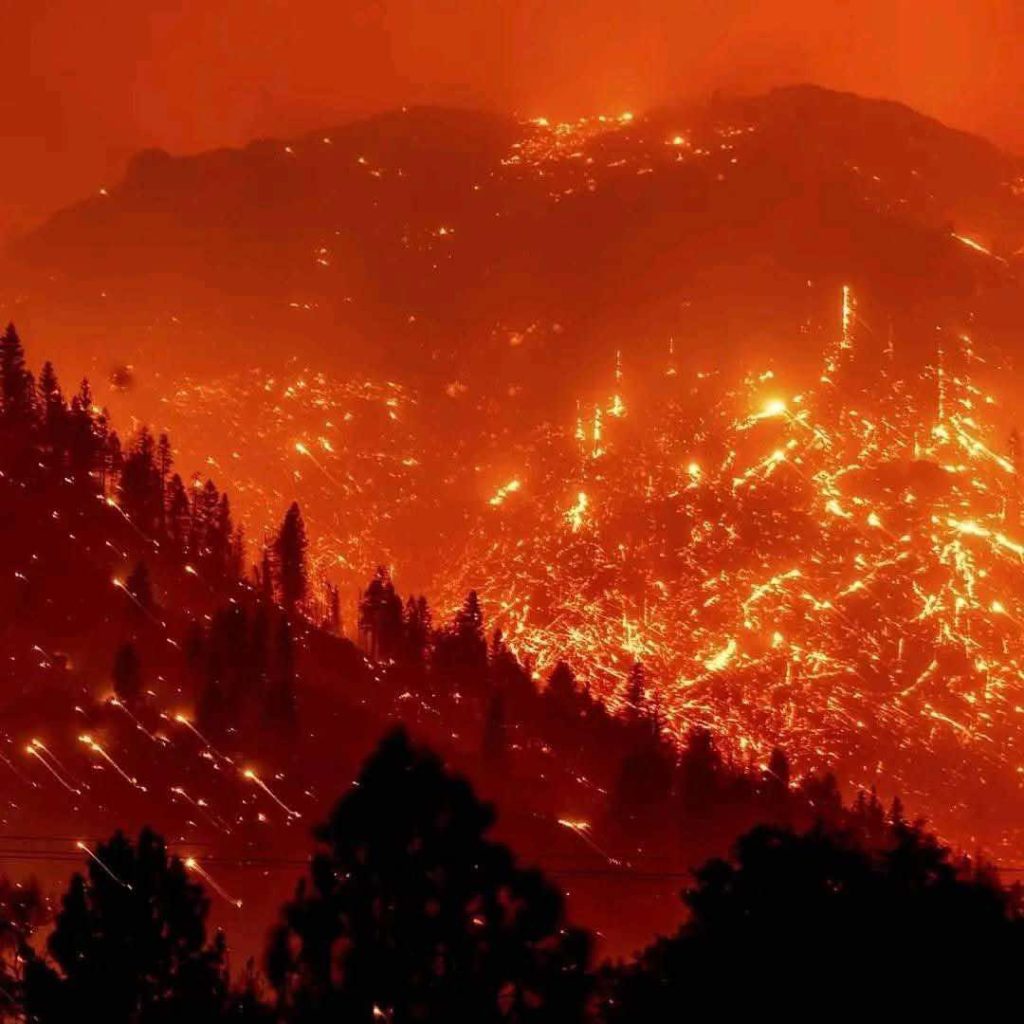
As temperatures soar and dry conditions prevail, our forests find themselves in serious danger of devastating fires. It’s a critical time to stay vigilant and protect these vital ecosystems!
Forest Fire Risk-The Scottish Fire and Rescue Service has an official very-high wildfire warning covering the Eastern Highlands, eastern and southern Scotland from the 13th of August. Forestry and Land Scotland is highlighting the same warning.
England is also experiencing exceptionally difficult conditions. The Met Office’s Fire Severity Index (FSI) measures how severe a fire could become if one starts under current weather conditions
-
The WeighPro Wireless Weighing Link represents a precise and dependable weighing system designed specifically for round timber, eliminating the need for re-calibration. This system offers operators minimal maintenance requirements, boasting an impressive battery life of up to two years between recharges.
-
That’s a remarkable amount of work hours for a single machine, the Norcar 600 owned by Erkki Rinne is taken well care of, it even has the original Diesel engine.
-
It is not possible to eliminate chain shot, but there are simple steps that can be taken to reduce the risk.
-
Arwel takes great pride in the fact that the mill has no waste whatsoever, “the peelings are used for children’s playgrounds, gardens and for farm animals in barns in the winter and the sawdust has multiple uses in gardens and farms as well.
-
Timber hauliers need to encourage young blood in, and also look after the hauliers we have, we need make the sector a safe and positive place to work.
FIND US ON
For forest-machine operations, I’d be particularly cautious today in the affected areas.
The highest-risk activities are:
- Harvesters and forwarders working on very dry brash
- Chainsaw felling
- Hot exhausts/DPF systems over dry vegetation
- Grinding/chipping
- Welding and hot work
- Machine hydraulic or electrical faults
- Vehicles travelling repeatedly over dry grass/verges
- Timber lorries accessing dry roadside areas
- Operations creating sparks or high temperatures
- Fires starting in harvesting residues and spreading into standing conifer
This is particularly important because FLS points out that although grassland and moorland generally ignite more readily, Scottish forests contain a large amount of potential wildfire fuel.
⚠️ The big forestry concern
I would rank eastern Scotland and the Eastern Highlands as the most immediate Scottish concern for commercial forestry today.
That includes areas around the Cairngorms, Highland Perthshire, Angus, Aberdeenshire and the eastern Highlands, depending on the precise local conditions.
In England, I’d be particularly concerned about Hampshire/New Forest, East Anglia, the East Midlands and the drier parts of southern England. The New Forest fire is a very good illustration of how rapidly conditions can become operationally serious: crews have been dealing with a major ongoing fire there, while the wider country remains exceptionally dry.
The highest-risk activities are:
Eastern Highlands Very High wildfire warning
Eastern Scotland Very High
Southern Scotland Very High
East & South-East England Very high/exceptional conditions in places
East Midlands / Midlands Very dry and high fire potential
South of England Very dry, extreme heat
New Forest / Hampshire Major wildfire ongoing Extreme operational concern
Cairngorms
Major wildfire recently found Very high
Where to monitor UK forest-fire alerts
Scotland: Scottish Fire & Rescue wildfire danger assessments
UK emergency alerts: GOV.UK Emergency Alert
If you spot smoke, flames, or someone being reckless, don’t hesitate—call 999 and report it immediately! Your quick action could make all the difference.
Contact forestmachinemagazine@mail.com to get your products and services seen on the world’s largest professional forestry online news network.
#homeoflogging #writtenbyloggersforloggers #loggingallovertheworld
Written by loggers for loggers and dedicated to bringing you the latest forestry news