

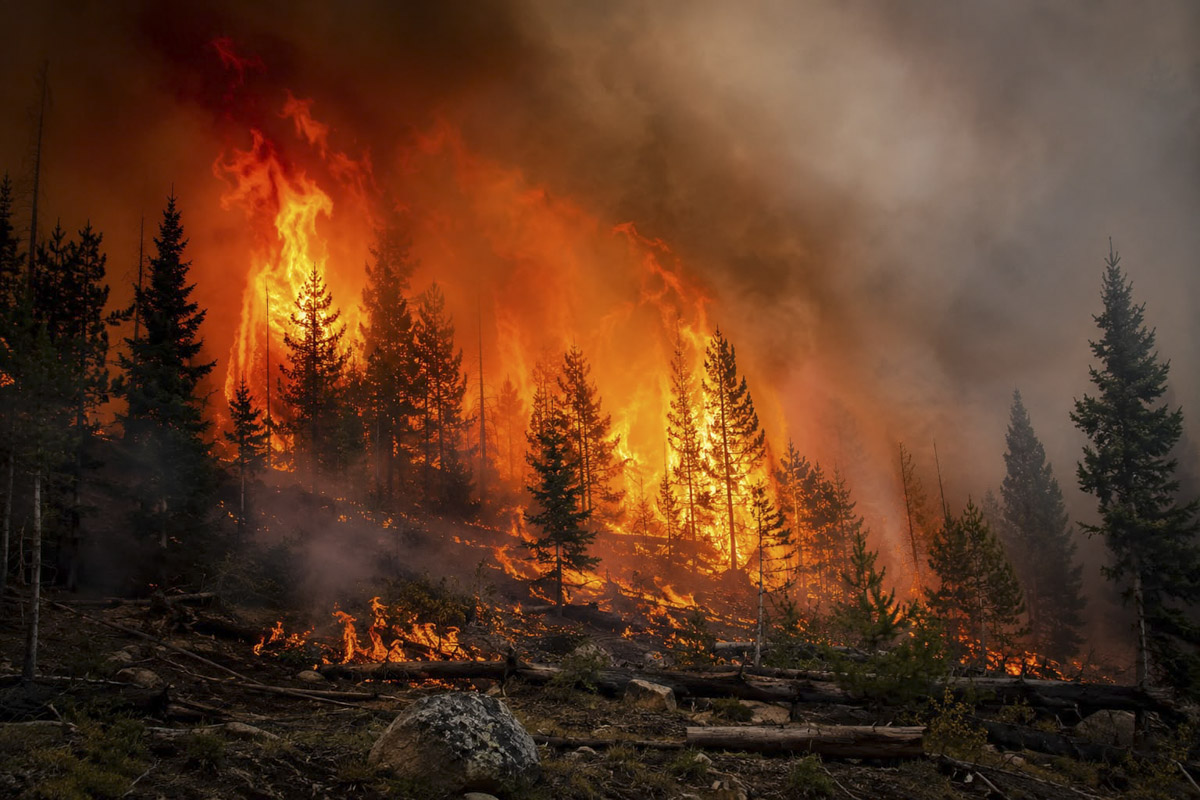
In 2026, Europe is facing a severe wildfire season, with tens of thousands evacuated and large areas of forest burned, especially in Spain, France, Italy, and Portugal.
Fire Danger Extreme-The 2026, wildfires have impacted 254,388 hectares in Europe, just shy of the 2025 record but still above the 20-year average for this time of year. The most intense fire conditions are seen in southwestern France, northern Spain, Portugal, and parts of the British Isles and Ireland. Notably, there’s a significant danger in the Iberian Peninsula, western and central France, northern Finland, and parts of the western Balkans. Awareness is key to managing these challenges! Additional high-risk areas include central Europe, Turkey, and North Africa.

-
That’s a remarkable amount of work hours for a single machine, the Norcar 600 owned by Erkki Rinne is taken well care of, it even has the original Diesel engine.
-
Kieran Anders is a forestry contractor working in the lake district. His work involves hand cutting and extracting timber using a skidder and tractor-trailer forwarder.
-
It is not possible to eliminate chain shot, but there are simple steps that can be taken to reduce the risk.
-
Arwel takes great pride in the fact that the mill has no waste whatsoever, “the peelings are used for children’s playgrounds, gardens and for farm animals in barns in the winter and the sawdust has multiple uses in gardens and farms as well.
-
Timber hauliers need to encourage young blood in, and also look after the hauliers we have, we need make the sector a safe and positive place to work.
FIND US ON
Evacuations
Due to the relentless outbreak of wildfires, tens of thousands of individuals have been forced to evacuate their homes. In Spain, a state of national emergency was declared in the Madrid region and the province of Avila, a decisive move intended to expedite firefighting operations. This declaration prompted the mobilization of the military emergency unit, which reinforced local efforts to combat the blazes. More than 10,000 residents have been evacuated from these affected areas, and the devastation has spread to over 30 villages in Guadalajara, leaving communities grappling with the threat of destruction and displacement. Similar evacuations and firefighting challenges are reported in France and Italy, where persistent heat and drought are hampering containment efforts.
Causes
The wildfire season of 2026 is significantly exacerbated by the impacts of climate change, which is resulting in more frequent and severe heatwaves and prolonged drought conditions. These climatic shifts create an environment that is particularly favorable for large-scale wildfires.
Historical data indicates that Mediterranean countries—such as Spain, Portugal, Italy, Greece, and the Balkan region—are especially vulnerable to such wildfires during the summer months. The combination of rising temperatures, scant rainfall, and dry conditions greatly heightens the risk of fire outbreaks.
The devastating wildfires experienced in 2025 serve as a stark reminder of how extreme weather conditions, coupled with the presence of unmanaged vegetation, can lead to rapid and widespread fire spread. This past season underscored the urgent need for improved forest management practices and proactive measures to mitigate fire risks in these high-risk areas.
Monitoring
Wildfires are closely monitored in near real-time through the utilisation of satellite data collected from NASA’s Visible Infrared Imaging Radiometer Suite (VIIRS) and the Moderate Resolution Imaging Spectroradiometer (MODIS). This data is seamlessly integrated into the European Forest Fire Information System (EFFIS), which operates under the umbrella of the Copernicus Emergency Management Service.
The EFFIS provides comprehensive updates that include detailed maps showcasing active fire locations, assessments of burnt areas, and fire danger indices across Europe. This crucial information plays a key role in enhancing emergency response strategies and optimizing resource allocation for firefighting efforts, helping to mitigate the impact of wildfires on communities and ecosystems. The timely data not only aids local and national authorities in their decision-making but also supports collaboration across various agencies and countries as they work to manage and combat wildfire threats effectively.
Forecast
As another intense heatwave approaches, meteorologists predict that temperatures in certain regions could soar to as high as 40°C (104°F). This dramatic rise in temperature not only threatens public health but also significantly elevates the risk of wildfires spreading throughout these areas.
In response to this urgent situation, government authorities have mobilized a range of resources, including the deployment of military units, to assist in combating the devastating fires and to safeguard communities at risk. Firefighters and emergency services are working tirelessly to contain the blazes while also ensuring the safety of residents and wildlife.
This escalating crisis highlights the alarming reality of climate change, which is increasingly influencing the frequency and severity of wildfires across Europe. The warm, dry conditions foster an environment where fires can ignite and spread rapidly, posing a serious challenge for emergency responders and raising concerns about the long-term effects on both natural ecosystems and human habitats.

Contact forestmachinemagazine@mail.com to get your products and services seen on the world’s largest professional forestry online news network.
#homeoflogging #writtenbyloggersforloggers #loggingallovertheworld
Written by loggers for loggers