Have you ever wondered what happens to chipwood once it leaves the forest? I visited the EGGER chipboard mill at Hexam to find this out
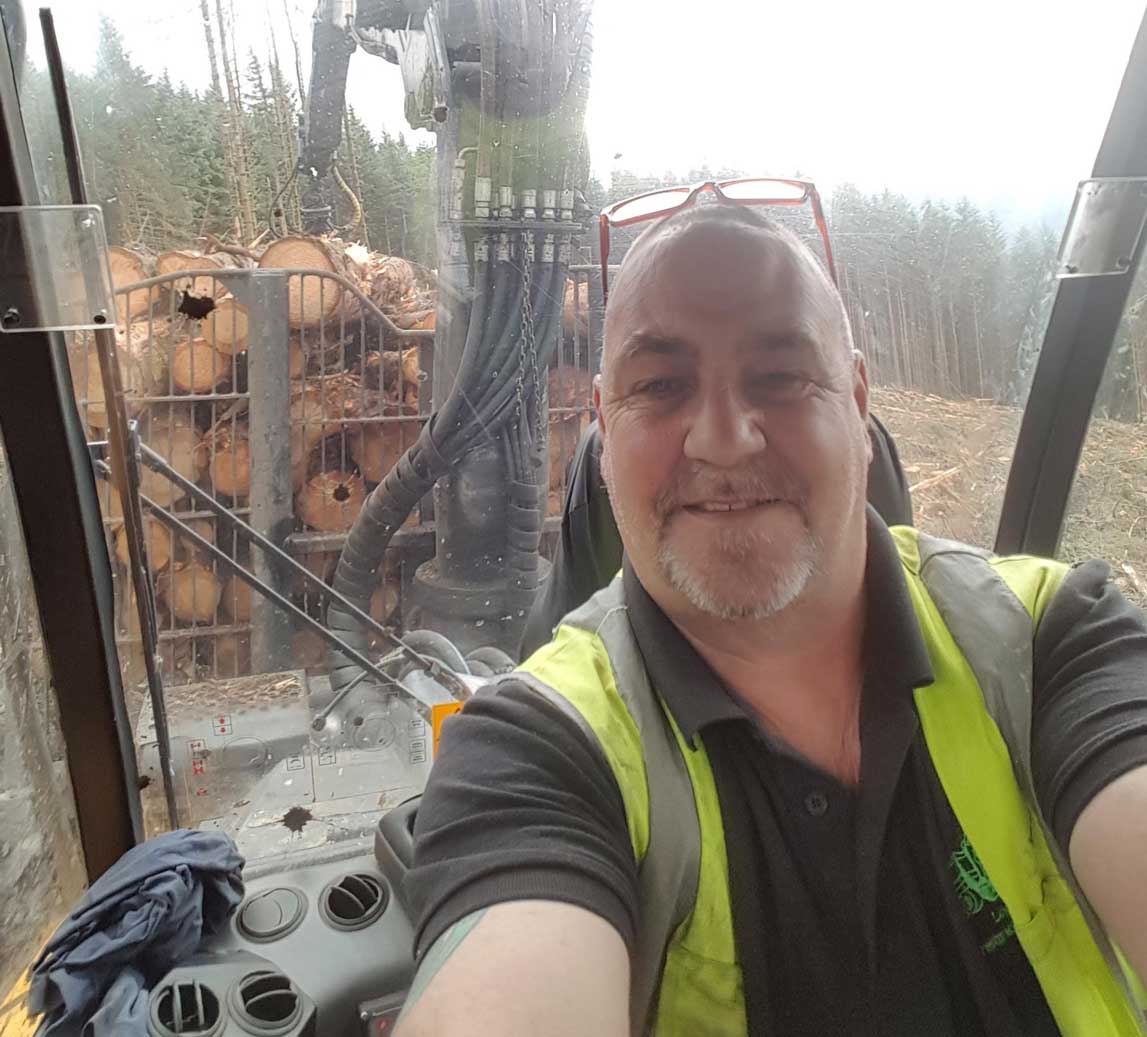
EGGER-Often, when working away on my forwarder in a world of my own, the ringing of my phone brought me back to reality.
Sometimes it was a call from my forestry manager, wondering if I could send out a few lorry loads of 3m chip, as they were falling behind on their monthly quota for a particular mill. While I was always willing to help if it was possible, I seldom took the time to consider what happened to the timber after it left the roadside.

-
The WeighPro Wireless Weighing Link represents a precise and dependable weighing system designed specifically for round timber, eliminating the need for re-calibration. This system offers operators minimal maintenance requirements, boasting an impressive battery life of up to two years between recharges.
-
That’s a remarkable amount of work hours for a single machine, the Norcar 600 owned by Erkki Rinne is taken well care of, it even has the original Diesel engine.
-
It is not possible to eliminate chain shot, but there are simple steps that can be taken to reduce the risk.
-
Arwel takes great pride in the fact that the mill has no waste whatsoever, “the peelings are used for children’s playgrounds, gardens and for farm animals in barns in the winter and the sawdust has multiple uses in gardens and farms as well.
-
Timber hauliers need to encourage young blood in, and also look after the hauliers we have, we need make the sector a safe and positive place to work.
FIND US ON
I knew that it was chipped and compressed into sheets and then used as a cheaper alternative to solid wood in manufacturing furniture, wardrobes, kitchen and bathroom units, etc., but I had no idea what the process for this involved
I contacted John Patterson (Director of Egger Forestry, who has since retired), who arranged to meet me at the main Egger office in Hexam and gave me a company overview of Egger’s history and insight into where the finished products are used.
Before my tour started, I was supplied with PPE and given instructions on the do’s and don’ts during our visit – safety is paramount to Egger.
Egger is a family-owned company founded by Fritz Egger Sr. in St Johann in the Tyrolean region of Austria, and today his son, Michael, sits on the Executive Board. The company currently has 18 plants throughout Europe, 25 sales offices worldwide, and 8145 staff members. The company’s turnover was €4.13 billion in 2024/25.
A chipboard plant has operated in Hexham since the 1960s, originally owned by Weycro, and was set up to boost industry in the area after the coal mines closed.
Egger acquired the plant in 1984 because it was in an ideal location, with good transport routes to the enormous timber resources of Kielder Forest, the Scottish Borders, and southwest Scotland.
Currently, Egger employs 800 people between the Hexham plant, EGGEER Timberpak Ltd and Egger Forestry
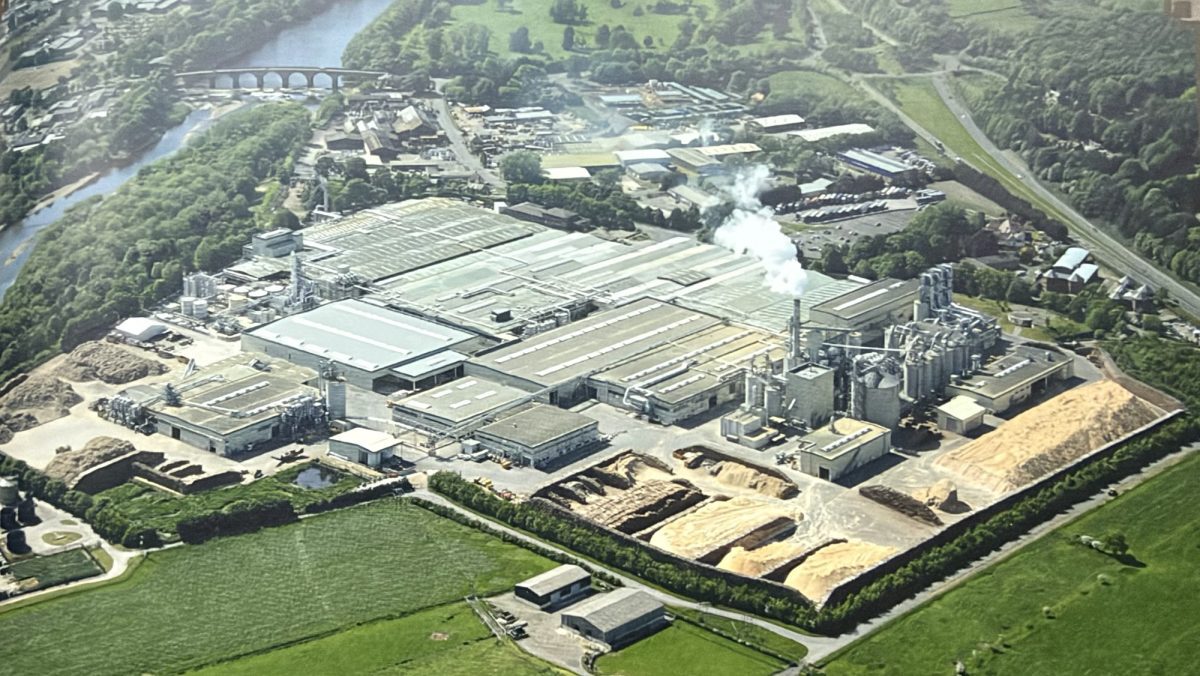
Egger has made massive investments in the75-acre site at Hexham (41% of the area is under cover) – over £250 million has been invested since 2006, making it one of Europe’s most technologically advanced chipboard production sites. To put it into perspective, over the last 30 years, Egger has manufactured enough laminated melamine-faced chipboard to build one and a half Kitchens for every house in the UK and enough tongue-and-groove flooring for two million homes.
The chipboard is produced from three main elements: virgin timber, recycled material, hack-chips and sawdust.
Virgin timber makes up 20% of the chipboard, and it is small roundwood from the tops of trees that is too small for use in the sawmill. Egger Forestry, which has been involved in timber harvesting for over 25 years, supplies this timber, with 80% of the timber FSC (UK) and PEFC (Europe) accredited.
Roundwood is stored in the log yard with a 2-3 week supply and a planned rotation system to obtain the best-quality woodchips.
The yard has an environmentally friendly Sustainable Urban Drainage System that manages surface water in the stock yard. The log yard surface is intentionally sloped, so liquid naturally drains into channels that lead to the Swaile (planted with grasses) at the bottom of the site.The liquid runs through the grass, leaving larger particles in the Swaile, and is then pumped into the reed beds, which are sectioned by concrete gabions that slow the flow and encourage particles to settle. The reeds naturally cleanse the water before it finally passes via three outlets into the Grade A River Tyne. Both Egger and the Environment Agency monitor the water as part of the permit from Northumberland County Council.
13,200 native trees have been planted around the site to improve appearance and provide protection from the elements.
Nest boxes for house martins and sand martin boxes are used to prevent them from nesting in the materials.
Recycled material and timberpack make up a further 40% of the chipboard, and around ¼ of a million tonnes pass through the recycling plant every year. Recycled material has a much lower moisture content than virgin timber, and drying it requires far less energy.
Contracts with sawmills come into play here, as they take the thicker timber for fencing, etc., and Egger uses the rest.
All contaminants are separated before chipping and are generally glass, plastic, stones, metal, paper, and fabric. All contaminants are recycled: metal is sold for scrap (130 tonnes of nails are removed from recycled wood each month), small stones are used for road construction, glass for road markings (reflective properties of white lines), and plastic for clothing, play mats, and playgrounds.
This process helps Egger achieve an extremely impressive 98% recycling figure.
Wood residue and fine wood dust (from the recycling plant and recycled wood) is processed through the fuel cleaning plant prior to being burnt in the heat plant. The heat plant burns seven tonnes per hour, which heats the thermal oil, which is then used to power the factory processes. The hot gas produced is then used to dry the woodchips through the core dryers.
By burning biomass, Egger saves 34,000 tonnes of CO2 annually, which heats 90% of the plant (sufficient to heat 25,000 homes all year round).

Once the wood is chipped, conveyors deliver it to the two core dryers, where 60 tonnes of wet chip per hour is dried to a target moisture content of 1.5-2.5%. Fire break silos separate the two systems of the dryer and dry chip preparation due to the combustible nature of seasoned wood, before infrared detectors detect nano explosions which are caused by the build up
of static. If any are located, a water spray floods the section, and this system is installed throughout the plant.
The core and surface materials then travel on belt scales for separate glue blending and continue to the “continuous press”. The press is 48.7m long and was once the longest in the world – if laid end to end, the daily production total reaches 45.6 miles.
It then travels down the forming line, where it travels through rollers to smooth out and remove any air pockets which may cause cracks.
In the next part of the process, pre-press vacuums suck up any excess material (which then goes back through production), and magnets and an X-ray machine scan above and below. If an error is found, the boards are dumped before entering the press (an error could ruin Egger’s or one of their customers’ machines).
The press uses “Dynasteam”, which was a £3 million investment in 2014.
This process injects steam at temperatures of 190-255 degrees Celsius and increases capacity by curing the resin much faster.
Egger can produce boards from 1830mm to 5610mm width with thicknesses ranging from 8mm to 44mm.
Once pressed, the boards cool before sanding; they spend 30 minutes in the three-star coolers. They are then sanded to a defined tolerance before a final inspection. The automated warehouse system stock board system allows the boards to cool for a further 5-7 days.
A small percentage are ultimately sold as rawboards, with the remainder sent to the tongue and groove (T&G) line or to be laminated.
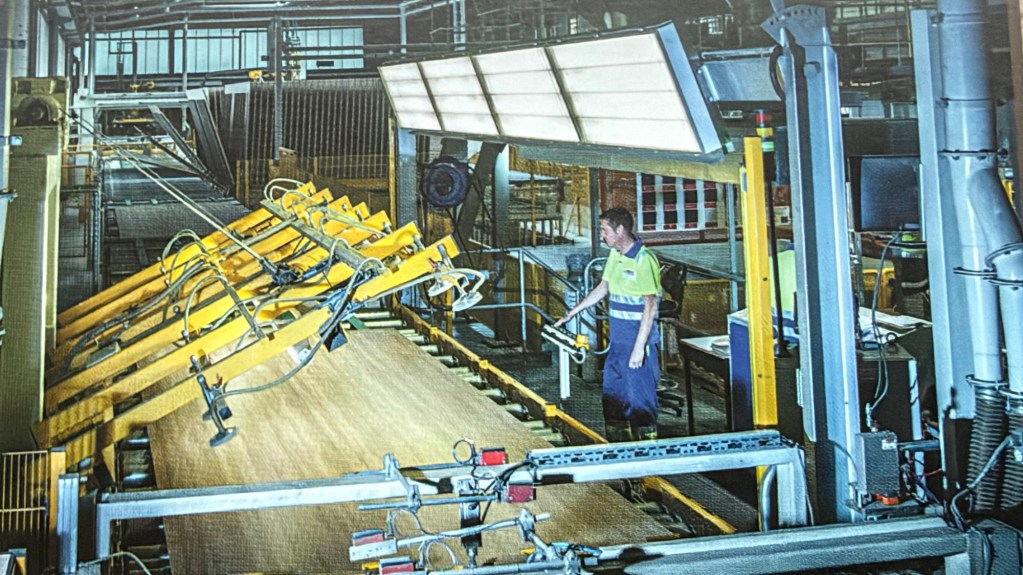
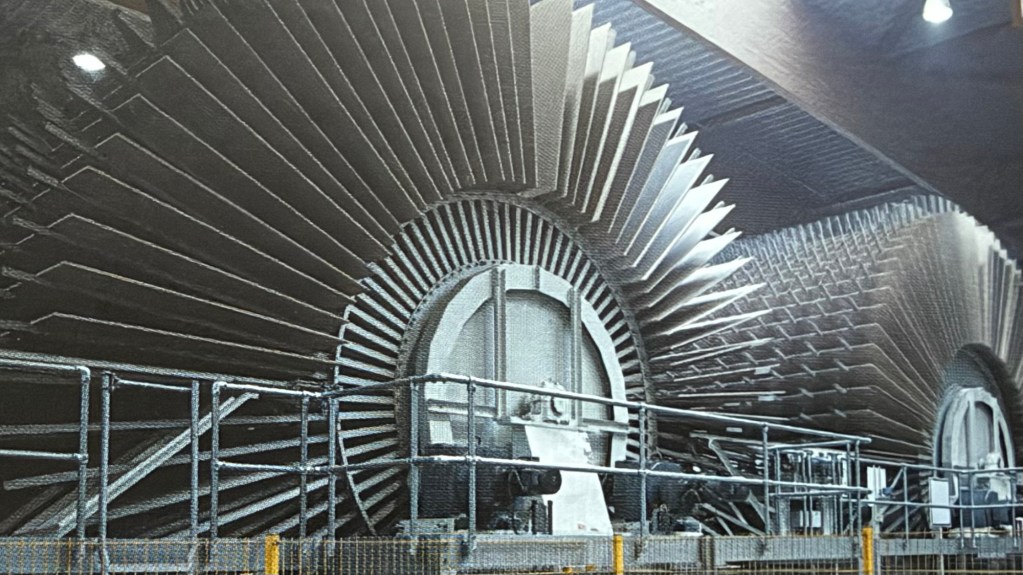
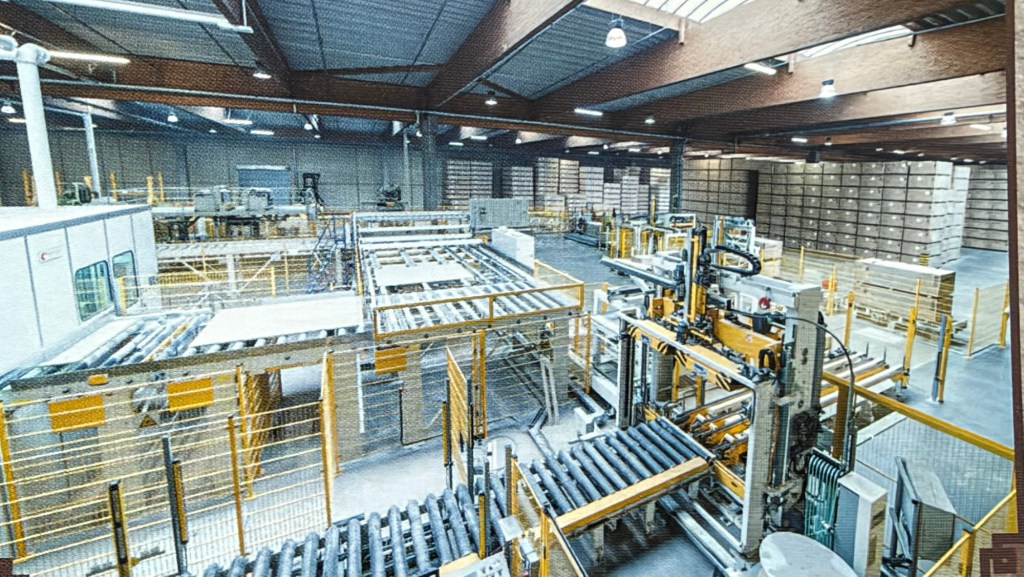
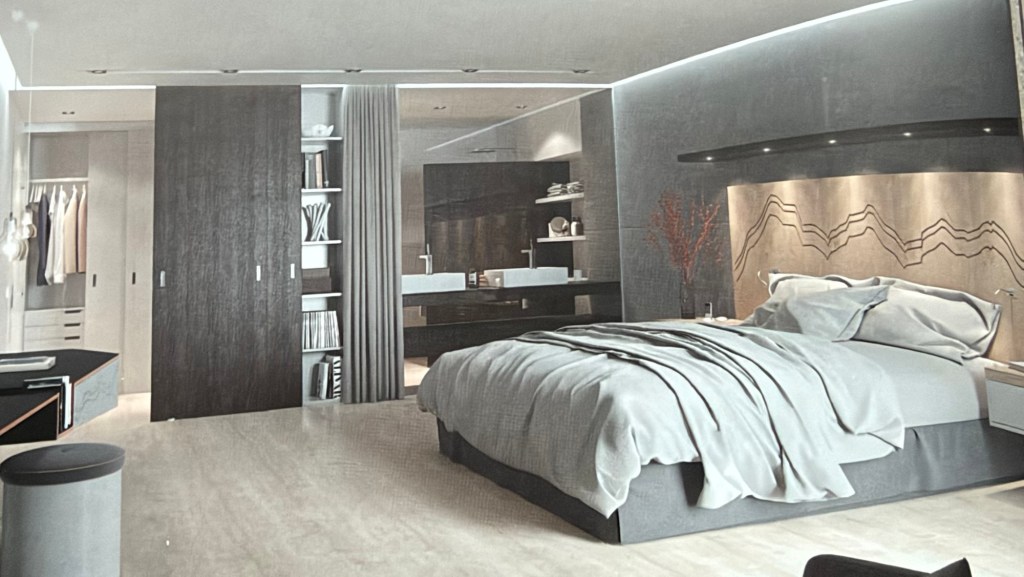
At least one board from every line, for every eight hours of production, is sampled and tested to destruction in the laboratory. The raw boards are tested for elasticity (bending strength, internal bond testing, surface resistance and swelling (placed in a water bath for 24 hours).
Pulses are sent through to test for density. This functions as a genetic code for each line, with each line having a unique pattern on a graph; if a customer ever sends a board back, they can determine whether it was made at Egger.
Failures are extremely rare due to stringent testing, and Egger can account for all of the boards that pass through the plant.
The T&G adds the tongue-and-groove profile to enhanced, moisture-resistant raw and laminated P5 chipboard (4855mm x 2500mm) for flooring panels sold to the building sector. The other P5 chipboards are passed through a rip saw, first lengthways and then crosscut to produce eight boards of 2400mm x 600mm at a rate of three boards per minute.
Some boards are sent to stacking/packing, while others go to one of the five lamination lines, depending on the intended finish/use. The finished products are used for furniture, interior design, flooring, building products, interior decor, and flooring decor.
The annual production is approximately 200,000 m³, which equates to 6.6 million (2400mm x 600mm) T&G panels. Laid end to end, these panels would stretch from the UK to Australia.
More than half of all new houses built in the UK will have either Egger Peel Clean Extra or Egger Protect as their structural floor
(60%).
Seven warehouses can store up to 70,000m³ of products (enough to cover six football pitches), and five loading bays operate 24/7. This shortens lead times and allows lower minimum order quantities, which are much more flexible for the customer. Most contracts with the hauliers are long-term, and around 80 truckloads of products leave the yard each day destined for the UK, the Republic of Ireland and Continental Europe.
Contact forestmachinemagazine@mail.com to get your products and services in front of the world’s largest professional forestry online news network.
#homeoflogging #writtenbyloggersforloggers #loggingallovertheworld
Written by loggers for loggers and dedicated to bringing you the latest forestry news