

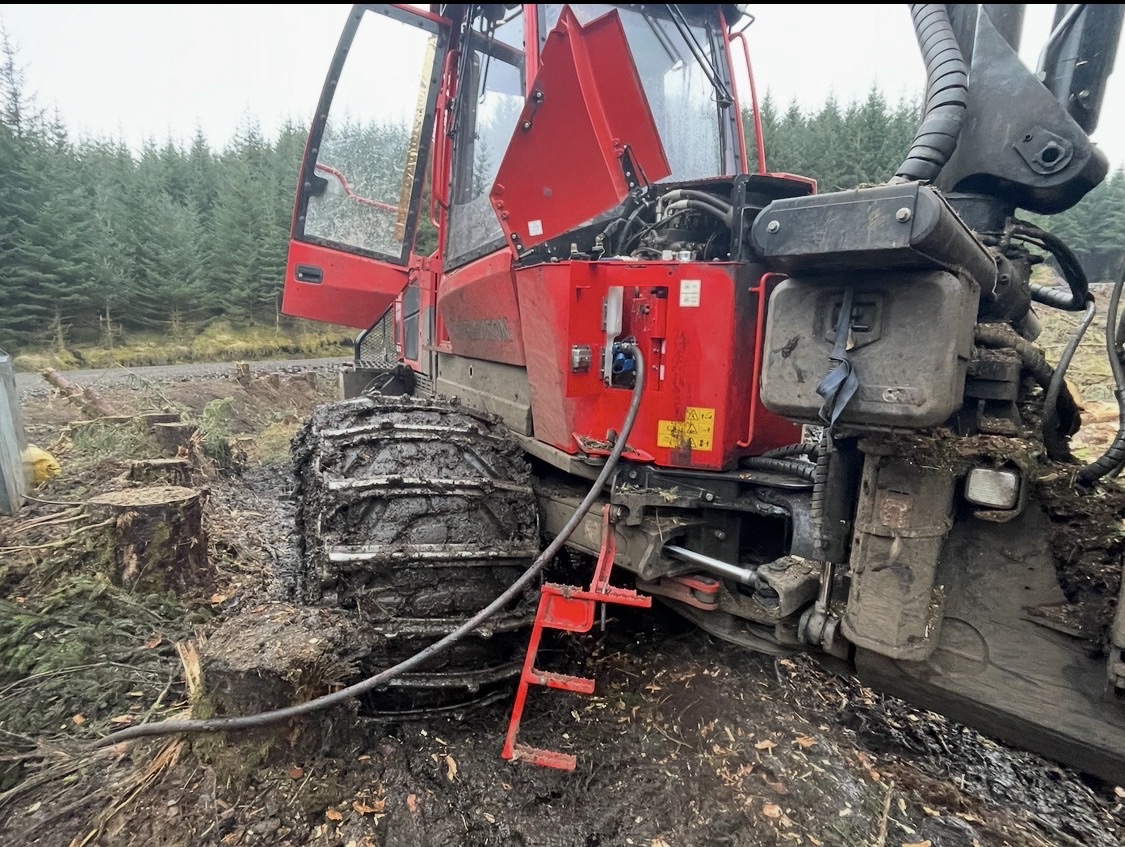
A harvester that loses power halfway through a wet timber site rarely warns you. One day it is working normally; the next, it is throwing fuel-pressure faults, blocking filters or refusing to restart. To reduce diesel contamination, the job starts well before fuel reaches the machine tank. It starts at the bulk tank, the bowser and every cap, hose and container in between
Mitigating Diesel Contamination- Modern forestry machinery does not tolerate dirty fuel in the way older mechanical engines sometimes did. High-pressure common-rail systems, electronic injectors and fine-tolerance pumps deliver efficiency and emissions performance, but water, particulate matter and microbial growth can turn a small housekeeping failure into a costly stoppage. For a contractor with a harvesting head standing idle, the repair bill is only part of the damage. Lost production, missed haulage slots and a crew waiting on site soon add up

-
The WeighPro Wireless Weighing Link represents a precise and dependable weighing system designed specifically for round timber, eliminating the need for re-calibration. This system offers operators minimal maintenance requirements, boasting an impressive battery life of up to two years between recharges.
-
That’s a remarkable amount of work hours for a single machine, the Norcar 600 owned by Erkki Rinne is taken well care of, it even has the original Diesel engine.
-
It is not possible to eliminate chain shot, but there are simple steps that can be taken to reduce the risk.
-
Arwel takes great pride in the fact that the mill has no waste whatsoever, “the peelings are used for children’s playgrounds, gardens and for farm animals in barns in the winter and the sawdust has multiple uses in gardens and farms as well.
-
Timber hauliers need to encourage young blood in, and also look after the hauliers we have, we need make the sector a safe and positive place to work.
FIND US ON
Where diesel contamination enters a forestry fleet
Contamination is usually a mix of three things: solid debris, water and biological growth. Each has a different route into the fuel system, and each calls for a slightly different response.
Dust and fibres are a constant concern in forestry. A machine working beside brash, chip, sawdust and mud is exposed to far more airborne debris than one operating from a clean hardstanding. Damaged filler caps, worn seals, uncapped bowser nozzles and dirty fuel cans all give that debris a route into the tank. It does not take a visible lump of dirt to cause trouble. Fine particles can score injector components or overload filters long before an operator sees sediment.
Water often arrives through condensation in partly filled tanks, rainwater around poorly maintained filler points, or contaminated delivered fuel. It can also enter through breathers on storage tanks that are exposed to changing temperatures and wet weather. Water is the bigger concern because it encourages diesel bug – microbial growth at the fuel and water interface. Once established, the sludge can block filters, corrode tanks and travel through a fleet if the same bowser serves several machines.
A third issue is aged fuel. Forestry contractors may hold fuel through quieter spells, weather delays or changes in work programmes. Diesel does not improve in storage. The longer it sits, especially with water present, the greater the chance of oxidation, sediment and microbial activity. The right approach depends on turnover. A tank supplying a busy harvesting operation has different risks from an emergency reserve tank that sees little use.
Reduce diesel contamination at the storage tank
The bulk tank deserves the same attention as the machine itself. It is the point where one problem can spread to every forwarder, harvester, tractor and site vehicle on the account.
Start by keeping the tank as dry as possible. Inspect fill points, access lids, sight gauges, seals and vents regularly. Replace any damaged cap or perished seal; don’t work around it. Check that water cannot pool around the fill opening and run into the tank when it is opened. On older installations, this simple detail is often missed.
Tank position matters too. A unit on uneven ground can collect water around fittings, while a tank in full sun sees bigger temperature swings and a higher risk of condensation. You may not always be able to choose the perfect location on a forestry yard, but a level base, secure access, and protection from direct weather make routine checks easier and reduce avoidable exposure.
Don’t treat fuel deliveries as a hands-off transaction. Keep delivery records and know which tank was filled, when, and by whom. If a fuel issue appears across several machines after a delivery, that information gives you a starting point. It also helps to avoid stirring up settled material by arranging a proper interval between delivery and dispensing where operating schedules allow.
Water draw-off points, where fitted, need to be checked on a planned basis. Draining a small amount into a clear, suitable container can reveal free water or dark material before it reaches a machine. Dispose of contaminated fuel and water through the proper waste route. Do not tip it onto a yard, into a drain or onto a woodland track.

Do not rely on filters to fix a neglected tank
A good dispensing filter is worthwhile, particularly a unit designed to separate water and trap particles. But it is the last line of defence, not a cure for poor storage. If filters are repeatedly blocking, the answer is not simply to fit a cheaper element or change it more often. Find the source.
Likewise, biocides can be useful where microbial contamination is confirmed, but they must be used correctly and at the specified dose. Killing the bug does not remove the dead biomass already sitting in the tank. In a heavily contaminated system, the tank may need cleaning, the fuel may need polishing or disposal, and filters will require close monitoring afterwards. This work is best left to a competent fuel-management provider, especially when large volumes are involved.
Fuelling discipline on the woodland site
A mobile bowser is often the weak point. It gets towed over rough tracks, parked in rain and mud, and used by several people under time pressure. That does not make contamination inevitable, but it does mean the routine needs to be simple enough to hold up on a dark winter afternoon.
Keep the nozzle off the ground. It sounds basic, yet nozzles are regularly left in mud, on a machine step or lying on a trailer deck. A clean holder with a closing cover is a small investment compared with a set of injectors. Wipe the filler neck on each machine before opening it, especially after roadside work or processing in dry, dusty conditions.
Operators should watch for warning signs: damaged caps, missing seals, a nozzle that drips or will not seat properly, cloudy fuel, unusual filter changes, or a recurring water-in-fuel alert. Report these before the next shift rather than writing them off as another machine quirk. A water warning on one unit may be the first indication that the bowser or bulk tank needs attention.
Avoid transferring diesel in open containers except where there is no workable alternative. If contingency cans are necessary, use clean, dedicated, labelled containers with secure caps, keep them under cover and do not use the same container for oils, coolant or waste fluids. A container sitting loose in the back of a pickup is not a clean-fuel solution.
There is a practical balance to strike with keeping machine tanks full. Filling at the end of a shift reduces the humid air space where condensation can form, but you must use clean equipment and avoid overfilling. For machines parked on steep ground or moved between sites, leave sensible expansion space and follow the manufacturer’s guidance.

Use filter changes and fuel samples as evidence
A blocked fuel filter is not just a maintenance item. It is evidence. A cut-open filter inspection, carried out safely in a clean area, can show whether the problem is black microbial sludge, rust-coloured water contamination, fibrous debris, or fine sediment. That distinction matters because changing filters alone will not stop the same material returning.
If several machines have symptoms, take representative fuel samples from the bulk tank, bowser and affected machine. Samples need to be clean, clearly labelled and drawn from appropriate points, including low points where water settles. Proper laboratory analysis costs money, but it is cheaper than replacing pumps and injectors across a working fleet based on guesswork.
Keep a short log of tank inspections, water draw-offs, filter replacements and contamination incidents. It need not become office bureaucracy. A dated record in the workshop or a shared digital sheet is enough to spot patterns – such as repeated failures after a particular bowser has been used, or problems that appear after long periods of low fuel turnover.
Protect the expensive end of the system
The fuel system on a modern harvester, forwarder or timber lorry is not the place to cut corners. High-pressure pumps and injectors are precision components, and contamination damage can be expensive even when the machine appears to recover after a filter change. If you find metal debris in the system, stop and seek specialist advice. Continuing to run can spread the damage further through lines, rail and injectors.
Follow the machine manufacturer’s filter specification and service intervals. Aftermarket elements may be suitable where they genuinely meet the required standard, but a filter that is merely the right size is not necessarily the right filtration rating or water-separation design. In remote forestry work, carrying correct spare filters and keeping them clean and dry is sensible downtime control.
The best routines are not complicated. Clean storage, dry fuel, protected dispensing equipment and operators who report small faults early will prevent most contamination events. Treat every blocked filter as a clue, not bad luck, and the fuel system is far more likely to last as hard as the rest of the machine.
Contact forestmachinemagazine@mail.com to get your products and services in front of the world’s largest professional forestry online news network.
#homeoflogging #writtenbyloggersforloggers #loggingallovertheworld
Written by loggers for loggers and dedicated to bringing you the latest forestry news