
Pip: If you have ever looked at a harvester cab and thought "I want that job" without asking how anyone actually gets there, Forest Machine Magazine has some thoughts — and most of them involve showing up in the rain first.
Mara: This episode follows their guide to breaking into the forestry sector — the routes in, what employers actually want, and how to build something that lasts beyond the first muddy Monday.
Pip: Let's start with the career question itself — what it actually takes to get a foot in the door.
—
How to Start Your Forestry Career
Mara: The central tension in this piece is simple: a lot of people want to work in forestry without knowing what kind of forestry work they mean. The post is trying to close that gap with a straight answer.
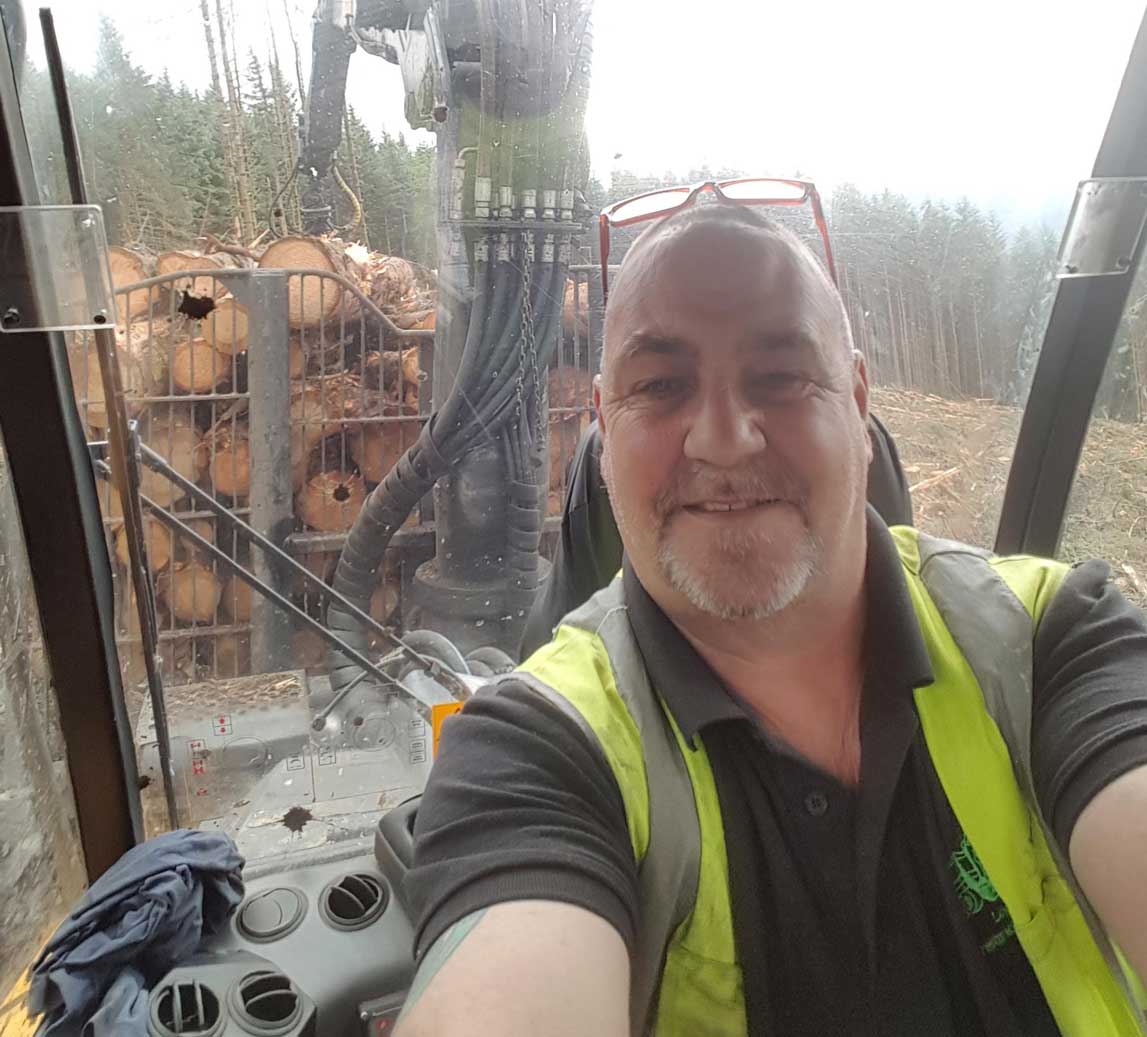
Pip: And it opens with a reality check that sets the tone immediately — "A lot of people like the idea of forestry until they meet the reality of it at 6am in sideways rain, on rough ground, with a machine waiting, timber to move and no room for excuses."
Mara: That framing matters because the whole piece is built on it. Harvesting, forwarding, haulage, woodland management, sawmilling — these are not interchangeable roles, and the post is direct that employers will immediately spot whether a new entrant understands the difference.
Pip: So step one is actually knowing what you are applying for. Which sounds obvious until you realize most people skip it.
Mara: The post lays out several workable entry routes — college, apprenticeships, and direct-entry labouring — and is honest that none of them replaces site experience. College gives structure; apprenticeships combine earning with learning; ground-based labouring is less tidy but often how trusted operators are actually built.
Pip: The machinery section is where it gets specific in a way that surprises. You do not need to be a technician, but you do need to understand how your role affects output and repair bills. A driving licence, it turns out, matters more than most newcomers expect — remote sites do not come to you.
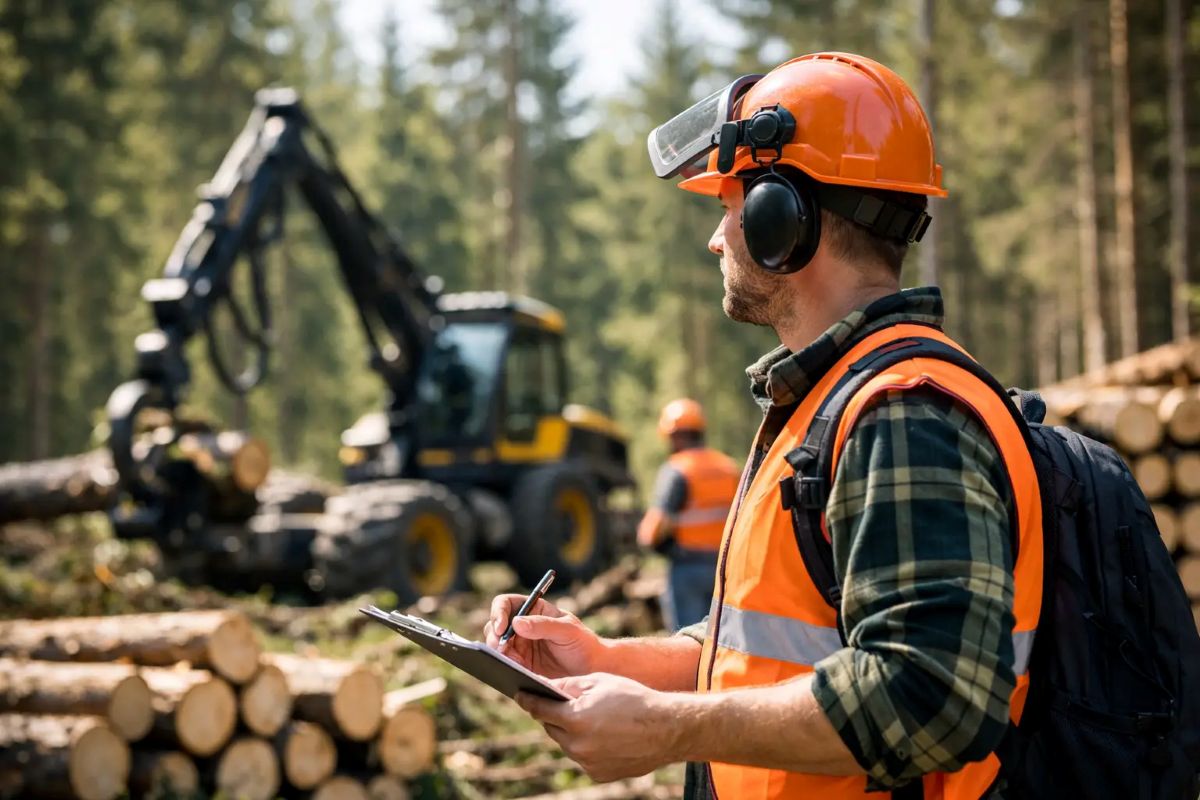
Mara: On what employers want, the post is unambiguous: "Reliability is usually first. Turn up when you say you will, bring the right PPE, listen properly and do not create avoidable risk." Attitude and site sense come before qualifications.
Pip: There is also a section on where newcomers go wrong, and it is the sharpest part. Chasing the image instead of the trade, underestimating how small and relationship-driven the sector is, and assuming there is only one respectable route in — those are the three listed mistakes.
Mara: The closing argument is about building a career rather than just landing a first job — watching timber presentation, machine care, fuel use, environmental standards. The post frames those overlooked details as exactly what moves someone from extra labour to trusted operator.
Pip: So the real answer to getting started is less about the right ticket and more about the right reputation — built slowly, on rough ground, probably before 7am.
Mara: And with that foundation in mind, the question of where the sector is heading next is worth sitting with.
—
Pip: Sideways rain, reliable attendance, and a realistic picture of where you fit in the chain — that is the throughline here.
Mara: The sector is moving. Mechanisation, operator shortages, timber transport pressure — the next episode will have more to say about what that looks like on the ground.