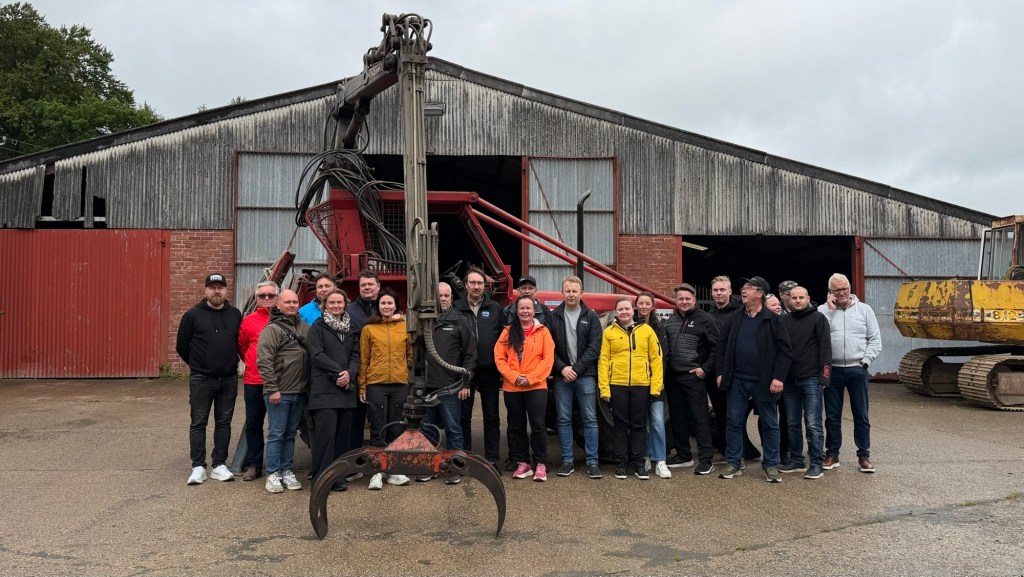
Members of the Finnish Timber Transport Organisation, SKAL Metsä ry along with forestry professionals, arrived at Manchester Airport in May to commence a week-long tour of Wales encompassing various tourist attractions and forestry-related visits.
At the end of May, an enthusiastic group of 30 Finnish forestry professionals touched down at Manchester Airport, ready to embark on a weeklong exploration of the rich landscapes and cultural heritage of England and Wales. Their arrival marked the beginning of an exciting journey filled with sightseeing and opportunities to deepen their understanding of forestry practices in the UK, engage with experts, and experience the diverse ecosystems these regions have to offer.
Their journey began with an overnight stay at a hotel conveniently located near the airport, where they would be picked up by their coach the next morning. After a restful night’s sleep, they enjoyed a hearty breakfast in the hotel’s dining area, energising themselves for the day’s adventures ahead.

-
The WeighPro Wireless Weighing Link represents a precise and dependable weighing system designed specifically for round timber, eliminating the need for re-calibration. This system offers operators minimal maintenance requirements, boasting an impressive battery life of up to two years between recharges.
-
That’s a remarkable amount of work hours for a single machine, the Norcar 600 owned by Erkki Rinne is taken well care of, it even has the original Diesel engine.
-
It is not possible to eliminate chain shot, but there are simple steps that can be taken to reduce the risk.
-
Arwel takes great pride in the fact that the mill has no waste whatsoever, “the peelings are used for children’s playgrounds, gardens and for farm animals in barns in the winter and the sawdust has multiple uses in gardens and farms as well.
-
Timber hauliers need to encourage young blood in, and also look after the hauliers we have, we need make the sector a safe and positive place to work.
FIND US ON
Monday
Their first destination was the picturesque Royal Albert Docks in Liverpool. As they strolled along the waterfront, they took in the stunning views of the historical warehouses and vibrant maritime atmosphere, pausing occasionally to snap photos and absorb the sights and sounds of the bustling environment. The docks were alive with activity, and the area’s rich history sparked their curiosity.
Once they had explored the docks, the group boarded the coach again, eagerly anticipating their next stop: Café Wylfa in the charming town of Chirk. Upon arrival, they were greeted by the café’s warm, inviting atmosphere and the enticing aroma of freshly prepared food. They settled in comfortably and enjoyed a hearty ploughman’s lunch, complete with crusty bread, a selection of local cheeses, pickles, and crisp vegetables, which provided the perfect fuel for the rest of their day.
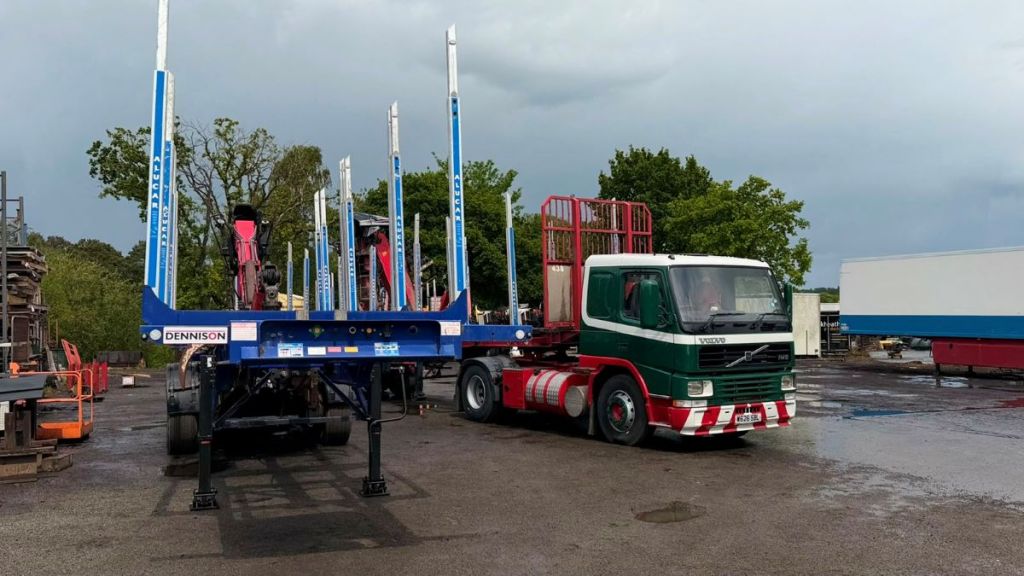
Following our lunch break, we gathered back at the coach for a brief journey to FTM, a forestry transport engineering company situated just outside of Shrewsbury. Given that many members of our group are engaged in timber transport, this visit was particularly relevant and exciting for them.
FTM is a family-owned business, managed by Peter Williams, who has dedicated his career to the timber industry. He is actively involved in the daily operations, working alongside his daughter Amanda, who brings fresh perspectives and energy to the company, as well as his grandson, who is learning the trade and contributing to the family’s legacy. This multigenerational teamwork adds a unique dynamic to the business and enhances its deep-rooted commitment to quality and innovation in forestry transport solutions.
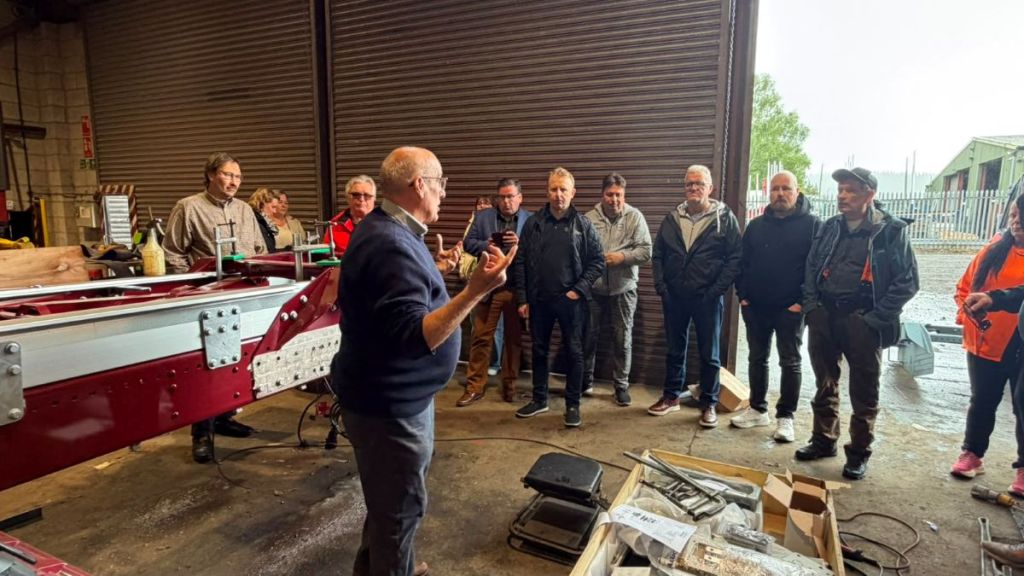
Several transport projects were underway, piquing interest due to their significance and potential impact. Peter took the time to explain in detail the range of innovative products they offered, highlighting their features and benefits. He also elaborated on the services they provided to their customers, emphasising that these solutions were tailored to the unique needs of each project. Peter’s insights offered a comprehensive understanding of their strategic approach to enhancing transportation efficiency and customer satisfaction.
We departed from FTM shortly after 3 PM, embarking on our journey toward the stunning landscapes of Snowdonia. Excitement filled the air as we drove along narrow, twisty roads through picturesque scenery, with rugged mountains and vibrant greenery surrounding us. Our destination was a hotel in the charming village of Beddgelert, where we would be staying for two nights.



Tuesday
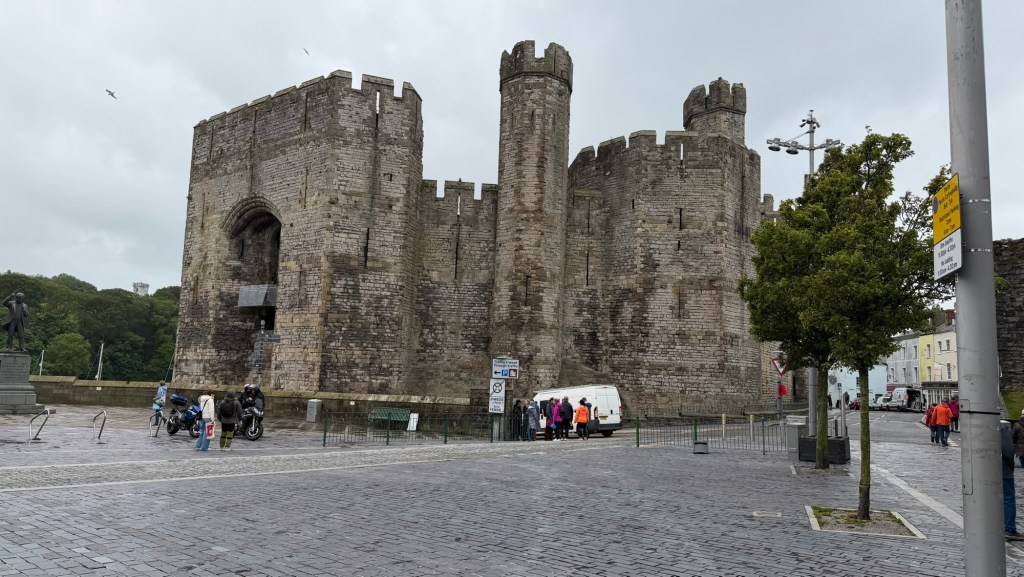
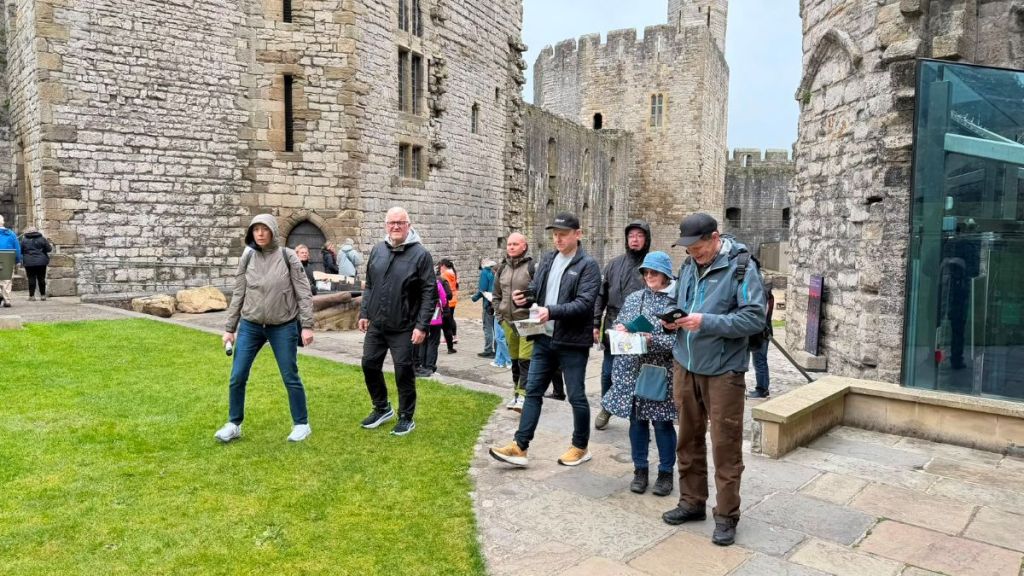
The next morning, after a hearty breakfast, we set off to Caernarfon to explore the impressive Caernarfon Castle. As we climbed to the top of the castle walls, we were greeted with stunning panoramic views. The charming town of Caernarfon lay below, its colourful buildings creating a picturesque scene, while in the distance, Anglesey’s beautiful landscapes stretched out before us.
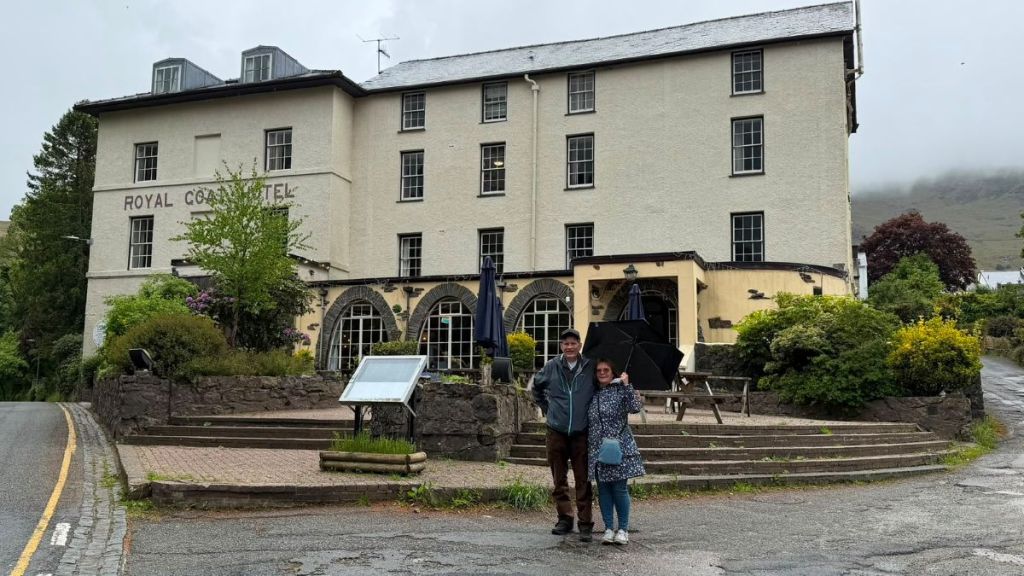
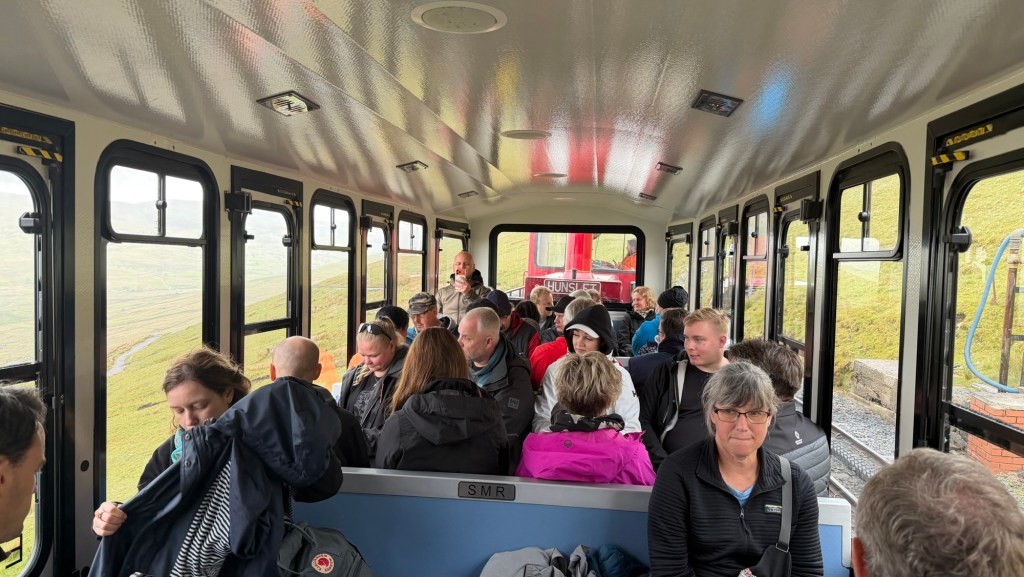
After exploring the charming town for a few hours, we headed to Llanberis for lunch and a ride on the mountain railway up Snowdon. The atmosphere was lively; however, as we prepared for our train journey, the weather turned against us. Heavy rain, swirling mist, and strong winds made it impossible to reach the summit, which was a bit disappointing.
The bus trip home proved to be just as thrilling as the scenic train journey that had come before it. As the vehicle snaked along the narrow, winding roads carved meticulously into the rugged mountainside, passengers gazed out in awe and trepidation at the breathtaking views. Below them, sheer drops into the valleys seemed to invite a sense of daring, causing some to grip their seats tightly with a mix of excitement and anxiety. The driver skilfully navigated the treacherous turns while the bus swayed gently, heightening the sense of adventure. Each twist and turn unveiled new vistas of majestic peaks and lush greenery, creating a vivid tapestry that captivated everyone’s senses.


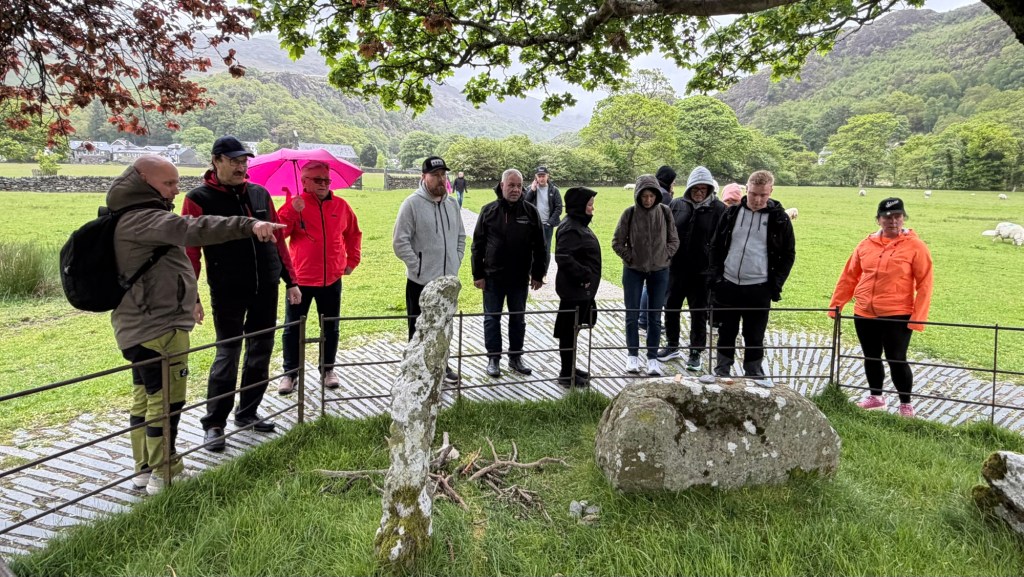
Upon returning to the village, we decided to embark on a scenic walk towards the grave of Gelert, Llewelyn’s faithful hound, after whom the village was named. The path meandered charmingly along the shimmering riverside, framed by lush greenery and the sounds of water flowing over the stones. As we strolled, we were treated to the delightful sight of dozens of playful young lambs frolicking in the fields nearby. Their spirited antics brought a smile to our faces as we watched them leap and tumble together.
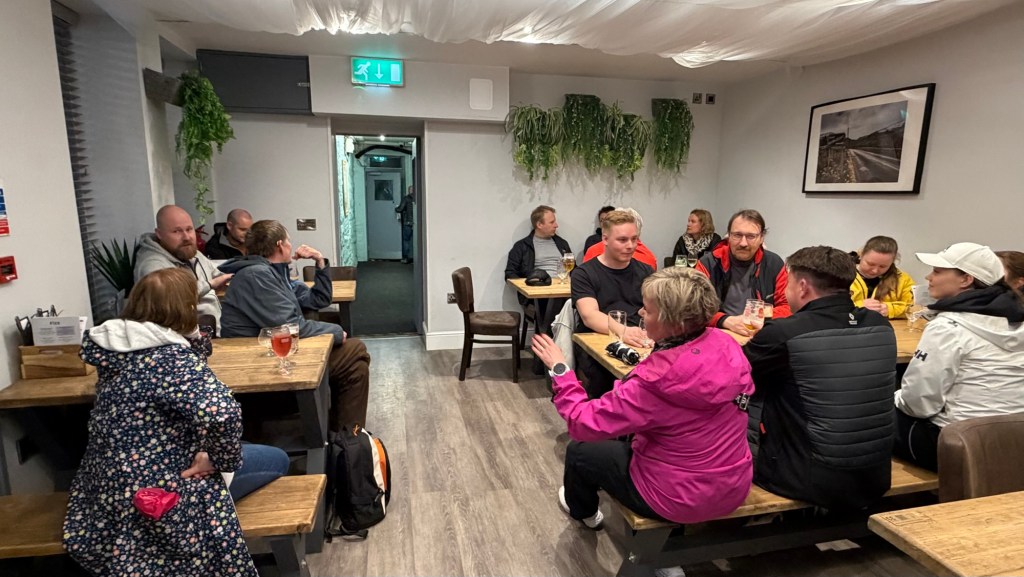
On our way back to the hotel, we decided to take a small detour that turned out to be quite enjoyable. We stopped at a charming local pub that boasted stunning views of the River Colwyn. The atmosphere was lively and welcoming as we drank a few pints of local craft beer.
It had been a remarkably busy day, and as a result, I found myself welcoming the embrace of sleep quite readily that night.
Wednesday
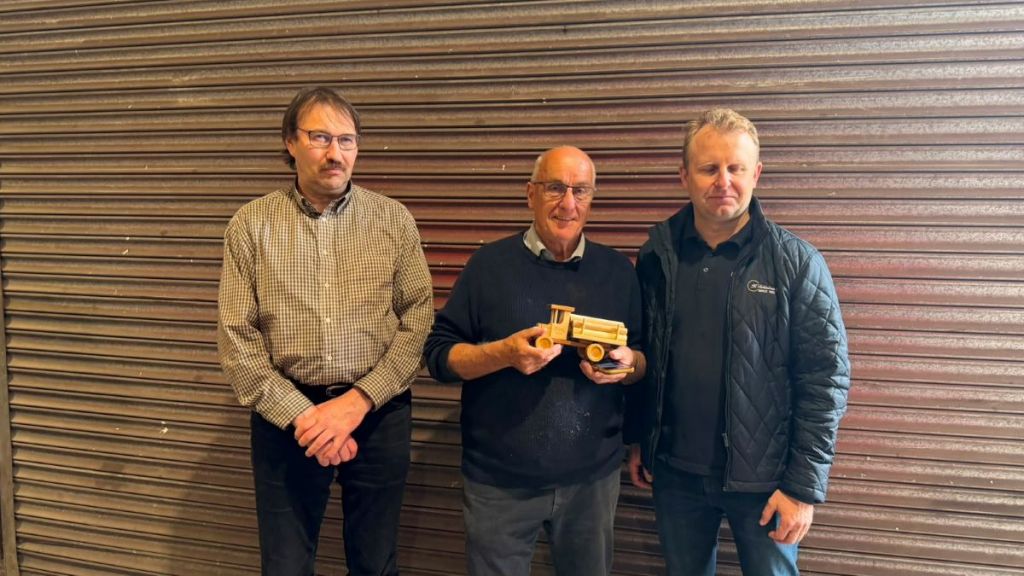
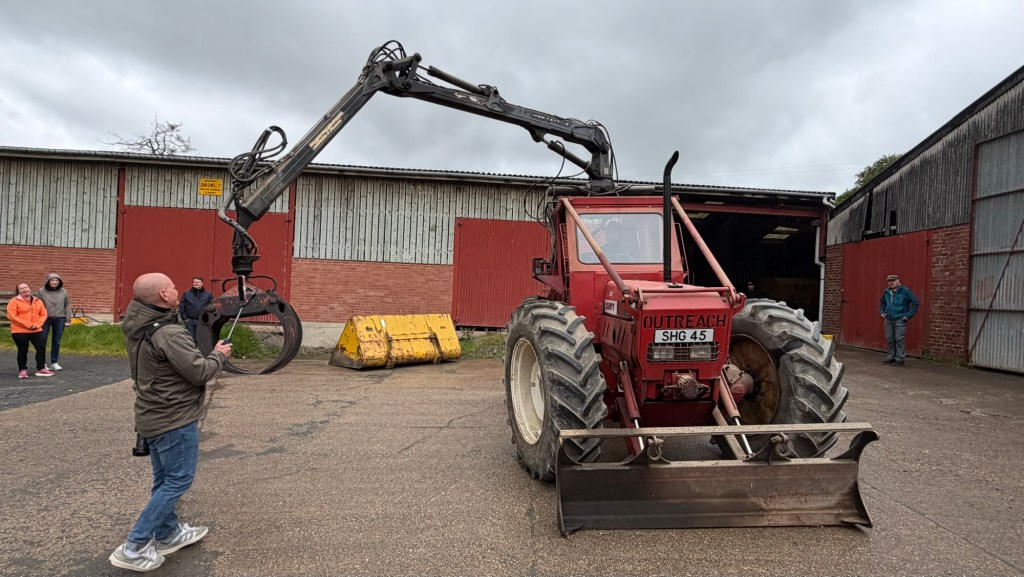
Following breakfast, we gathered our luggage and loaded it onto the bus in preparation for our next destination, Llandovery. This journey was not without its complexities, as I had scheduled a visit to observe the last County Tractor manufactured, which had been adapted for forestry applications. This tractor possesses a significant history, having been originally exported to St Helena, where it was acquired by the government for forestry operations. After a few years of service, it was decommissioned and subsequently put up for sale. Welsh farmer, Brychan Anwyl, purchased the tractor, disassembled it for transport in a shipping container, and facilitated its return to the United Kingdom
The group was captivated by this piece of forestry history, sparking great enthusiasm. Some even had the thrilling opportunity to get behind the wheel, which brought immense joy and made the experience unforgettable.
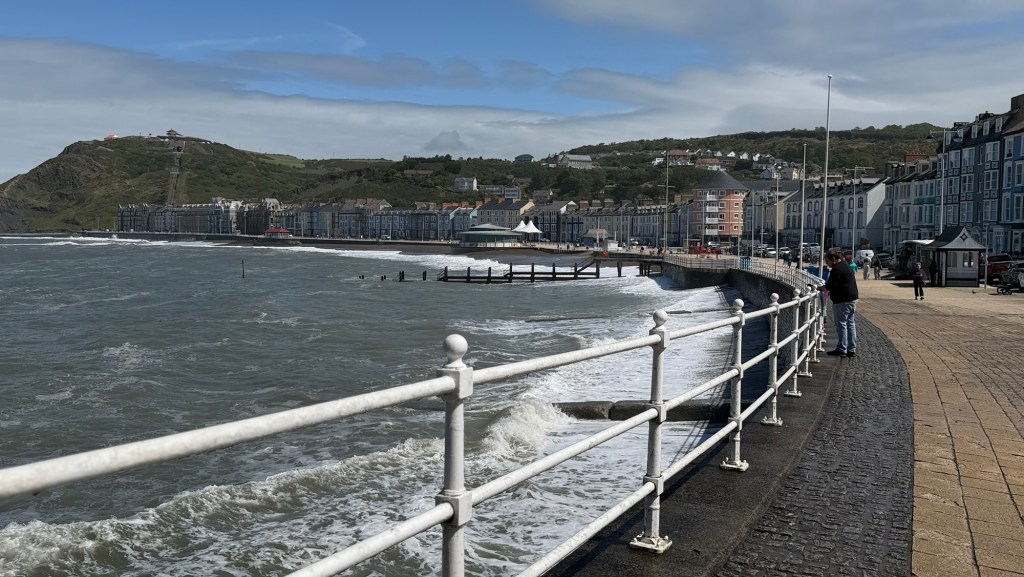
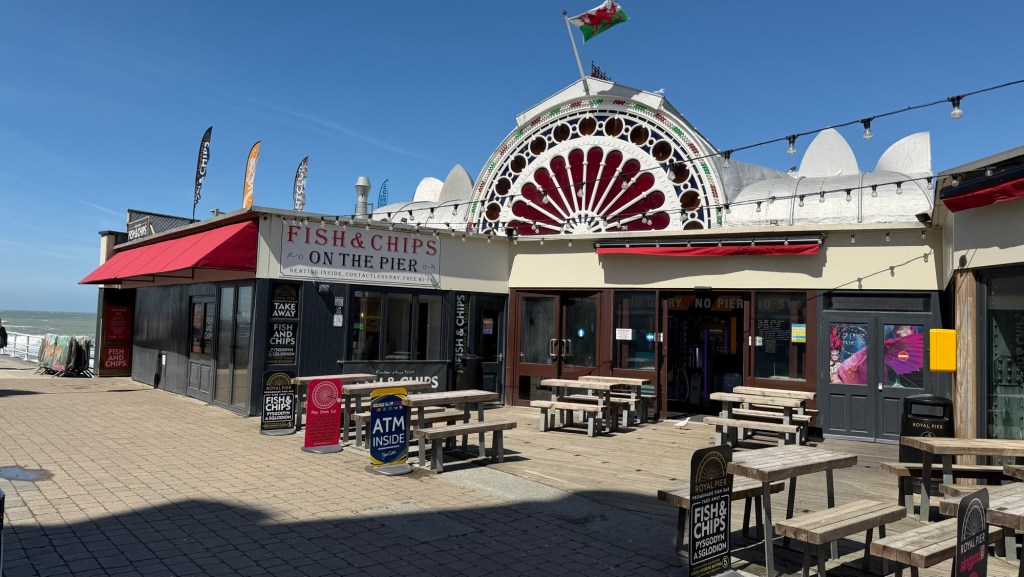
Our subsequent destination was the seafront of Aberystwyth, where we prepared to enjoy fish and chips from the pier. This dish is a traditional British seaside delicacy; however, it did not appeal to everyone’s taste.
Our next destination was the breathtaking Elan Valley, renowned for its dams that provide a vital water supply to the city of Birmingham. The landscape unfolded before us like a painter’s canvas, with rolling hills draped in greenery and sparkling reservoirs.
It was a weary group that arrived at the Castle Hotel in Llandovery that evening, and only a few managed to stay awake much past their dinner before heading to bed.

Thursday
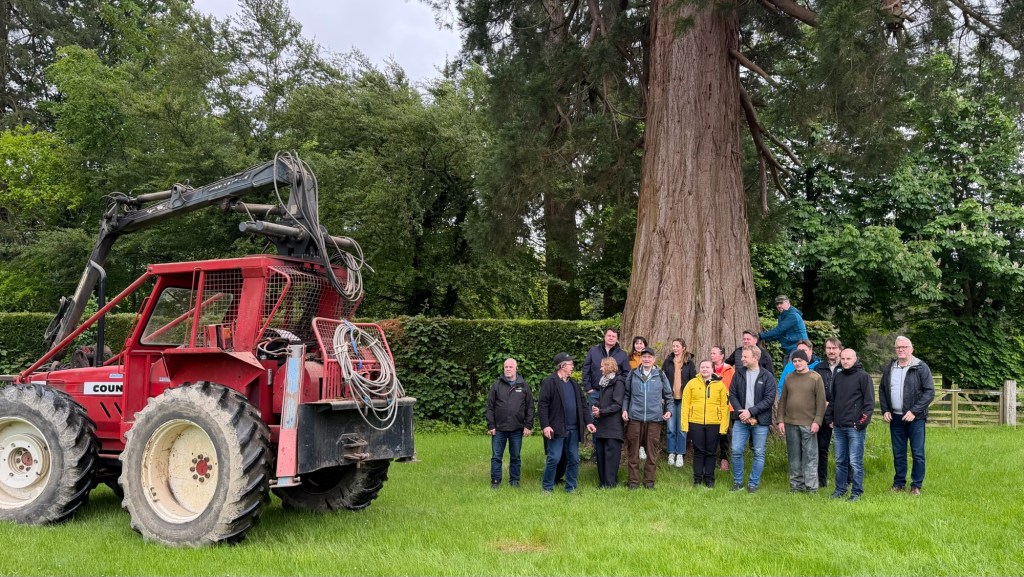
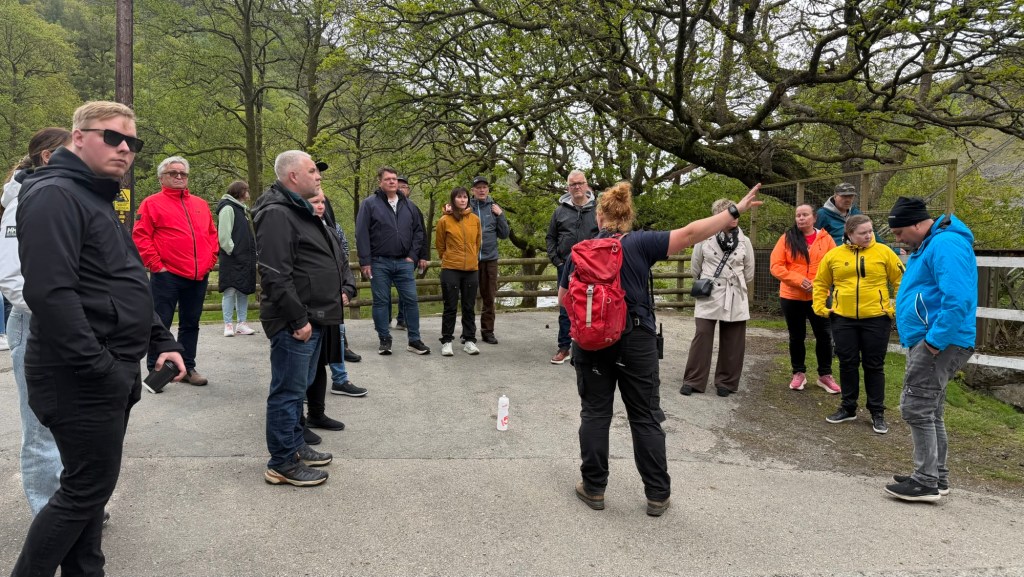
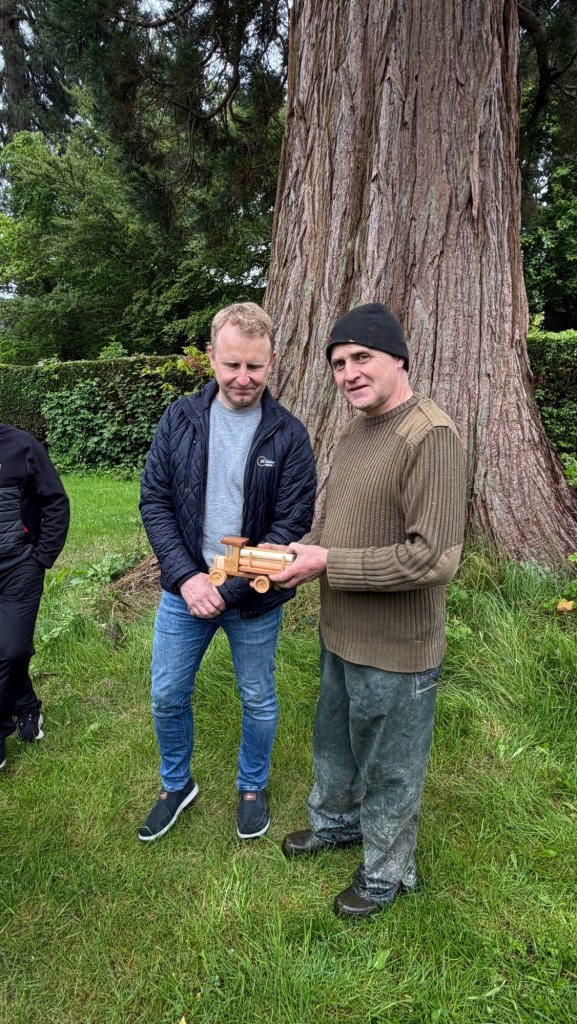
Llandovery is a picturesque market town situated in the Brecon Beacons. Our initial destination, just a few miles from the town, was the Halfway Forest, where we took a nature walk. This remarkable woodland features a diverse array of tree species, including the impressive Norway and Sitka spruce, Larch, Western Red Cedar, and the majestic Douglas fir.
Numerous participants in the group had never encountered such large specimens, with many trees exceeding 10 cubic meters and reaching impressive heights of 25 to 30 meters.
This experience was highly valuable to the group, providing significant insights into the commercial timber produced in this country. Notably, there is a considerable disparity in the growth rates of timber species; specifically, the spruce species in question exhibits a slow growth rate, taking approximately three times as long to reach maturity as our domestic varieties.
Lunch was in Llandovery at the West End Café, where an excellent cold buffet had been arranged.
Our afternoon visit took us to RJ Fukes Forestry Services, located just a few miles outside of town. This company specialises in the design and manufacture of proprietary cable-logging winches engineered for high-lead and skyline extraction techniques. Their expertise in this area ensures they produce equipment tailored to meet the rigorous demands of modern steep-ground forestry operations. Additionally, RJ Fukes serves as the exclusive UK distributor for TimberMax traction-assist winches, further expanding TimberMax’s offerings and providing advanced solutions to the forestry industry. During our visit, we saw firsthand the innovative processes and craftsmanship involved in creating their winches and gained insights into the latest technologies used in cable logging.
This topic is particularly intriguing because most of Finland’s forests are situated on relatively flat terrain, which contributes to Finland’s unique landscape. The highest elevation in Finland is in the northern region, where the land reaches an impressive altitude of 1,324 meters. Unlike the rugged, jagged peaks typically associated with mountainous areas, this part of Finland features more rounded, gently sloping hills. This gentle topography, combined with the extensive coverage of lower-level forests, creates a serene and picturesque environment that is characteristic of the Finnish wilderness.
The group was especially interested in a high-capacity excavator winch located in the yard, which was almost ready for delivery to its new owner. Two of the workshop engineers set up the rigging to demonstrate how the overhead cable system operated.
Quite a few of them had never seen this type of extraction system before.
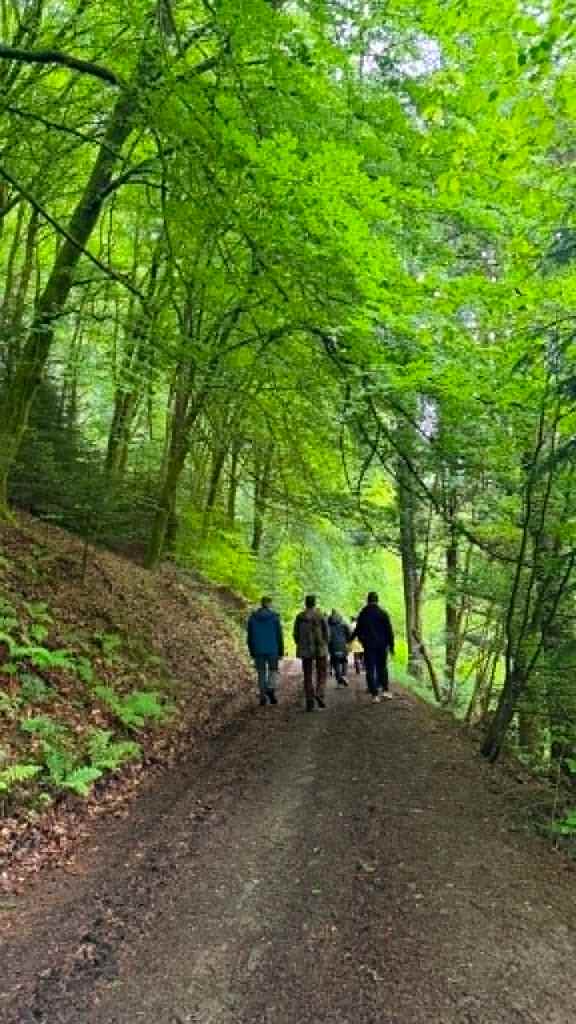
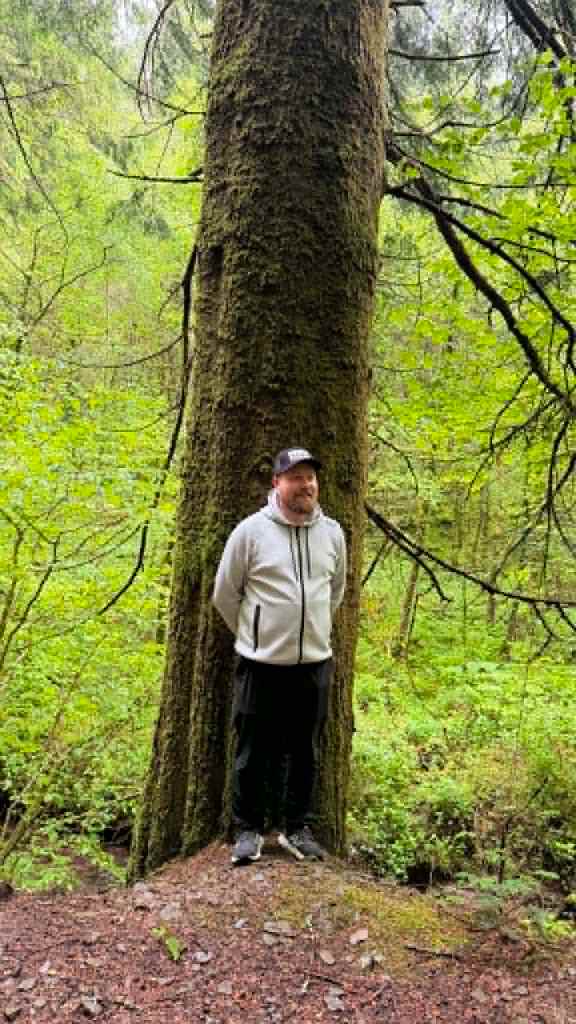
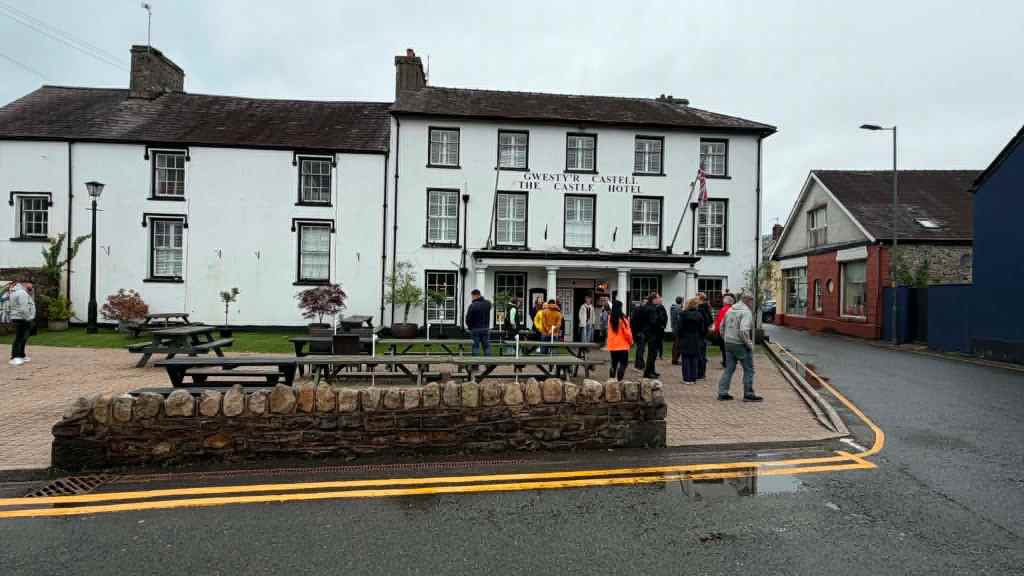
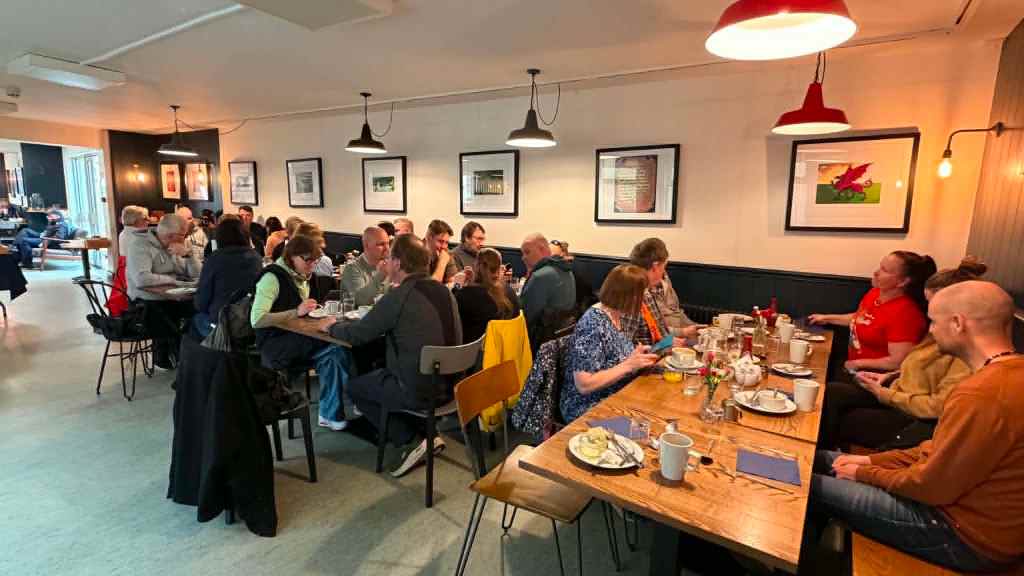

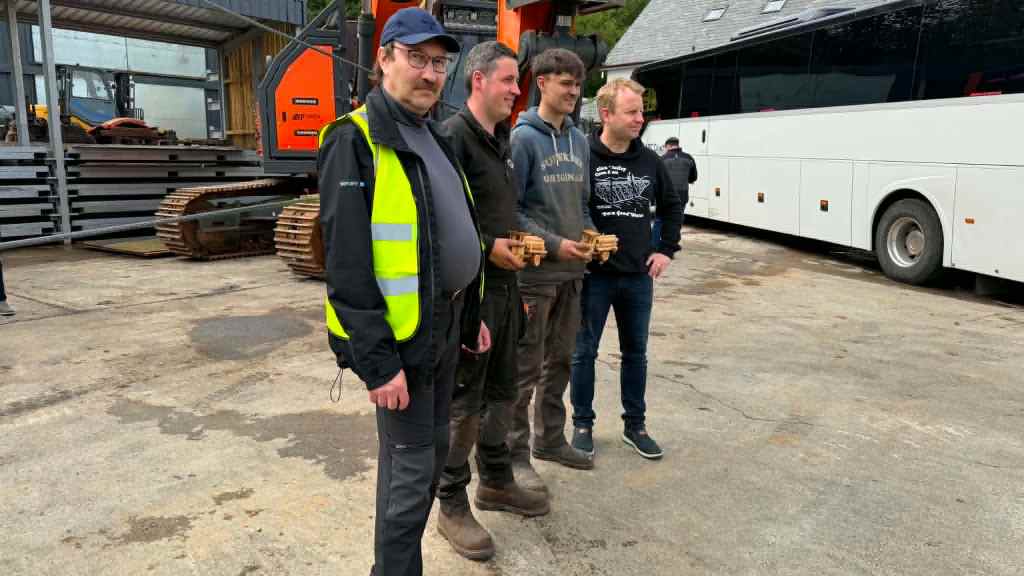

After we returned to Llandovery, they had a few spare hours to explore the charming little market town before their evening meal in the hotel.
Friday
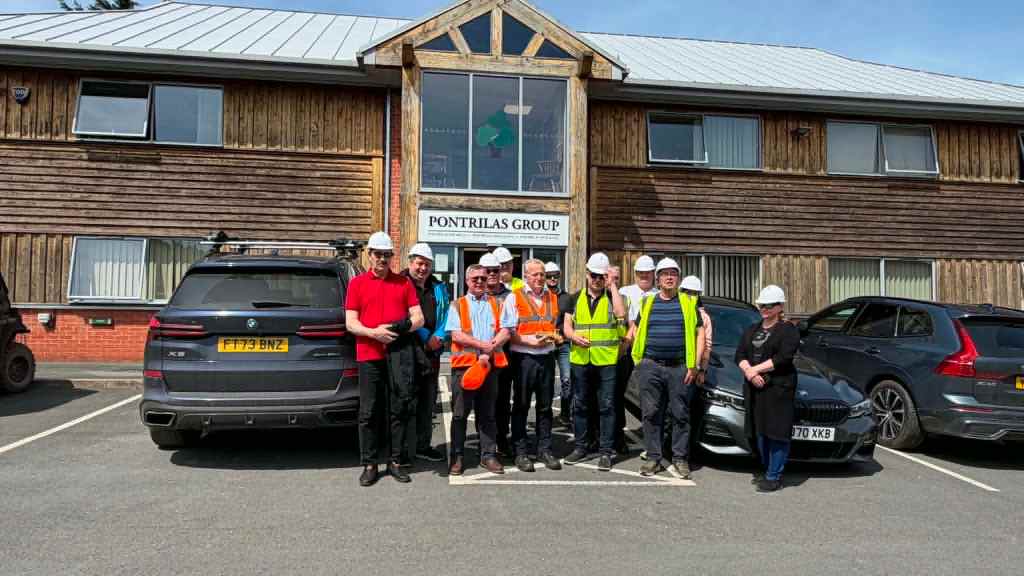
Friday was another early start as we headed west to Abergavenny; some would be visiting the town, while the rest of us nipped over the border to Pontrilas Sawmill.
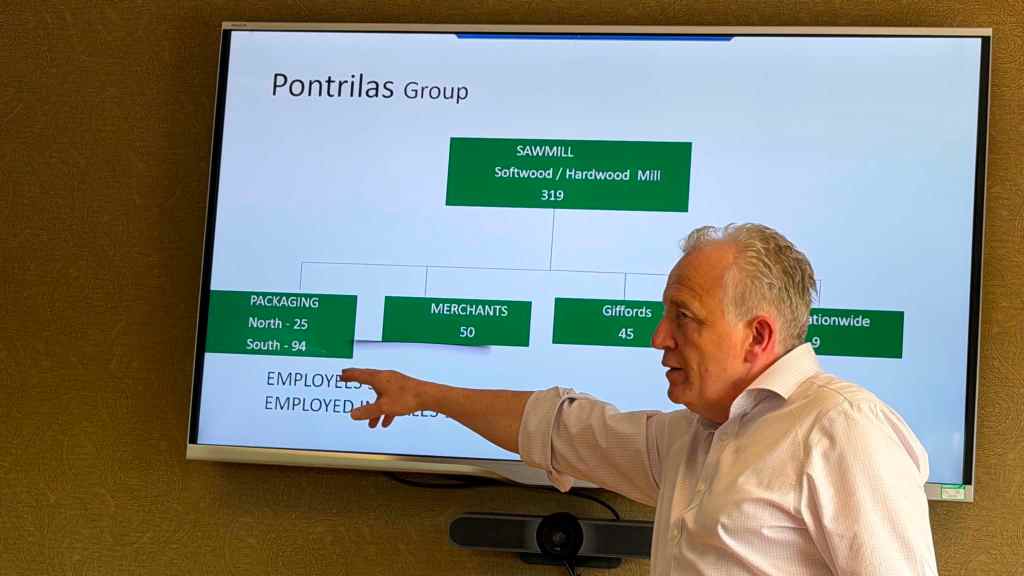
The journey lasted over two hours, and I anticipated this visit with great enthusiasm, as it marked my first experience at the mill. Mr Brian Pugh, the Operations Manager, had graciously organised this visit for our guests from Finland. We parked adjacent to the weighbridge, and Mr. Pugh transported us in groups of four to the office for a company presentation.

This company had been well-known to me for many years, as my forestry career began with the Forestry Commission in Beddgelert in the early 1970s, and Pontrilas purchased much of the timber we were harvesting.
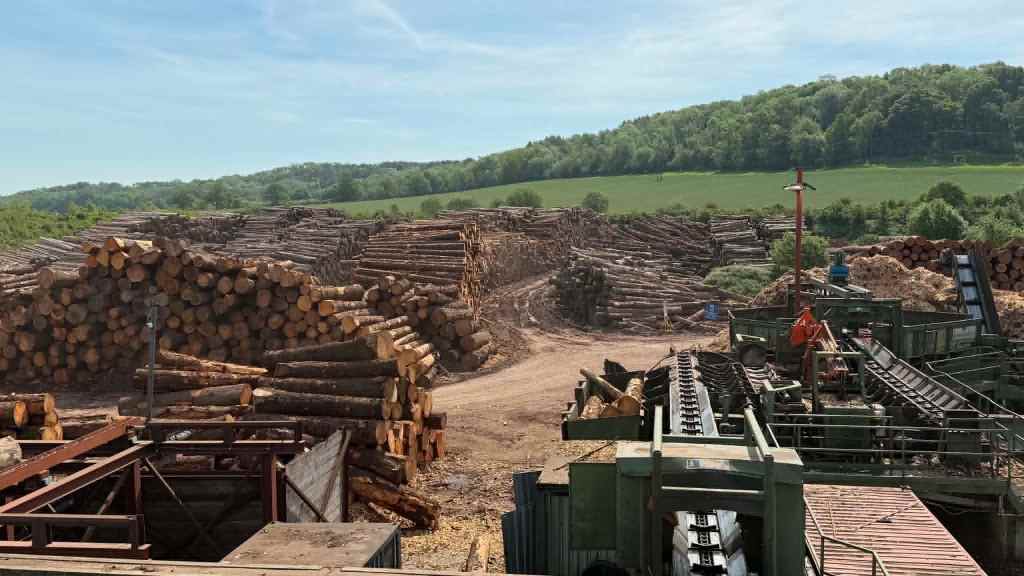
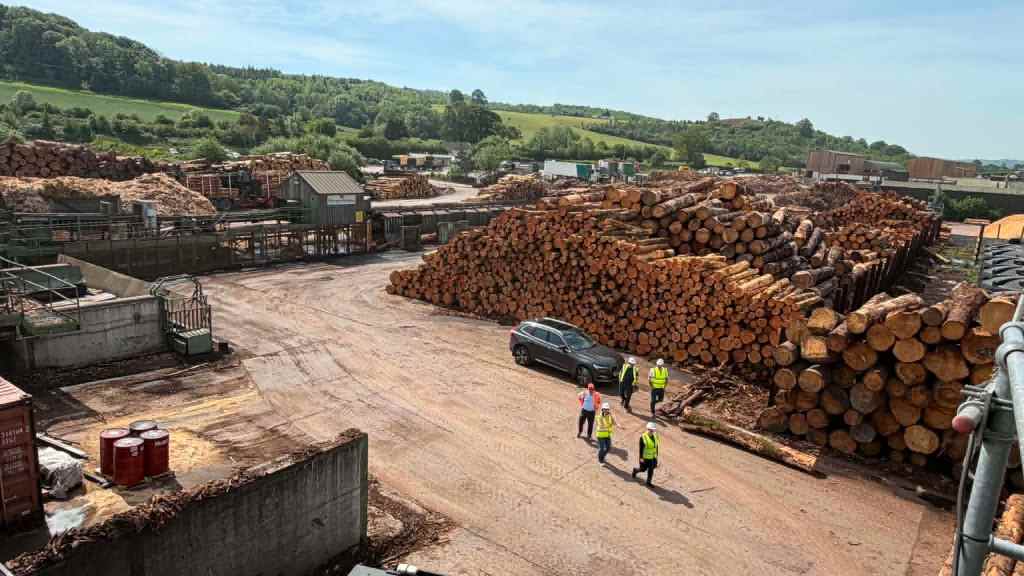
Pontrilas is recognised as the largest sawmill in both England and Wales, comprising two distinct facilities: one dedicated to softwood processing and the other to hardwood milling.
The softwood mill operates with a weekly production capacity of 9,000 cubic meters, facilitating the manufacture of construction timber, treated fencing, packaging materials, industrial timber, and various by-products.
The hardwood mill is dedicated to the processing of a wide variety of species, including oak, ash, beech, sweet chestnut, poplar, and oversized softwoods. The mills are situated on a 17-acre site and employ a skilled workforce. A significant portion of their operations is devoted to pallet manufacturing, producing over 60,000 pallets each week. Additionally, they manage a second-hand and repatriated pallet line, which saw sales exceeding 2 million units in the fiscal year 2024-2025.
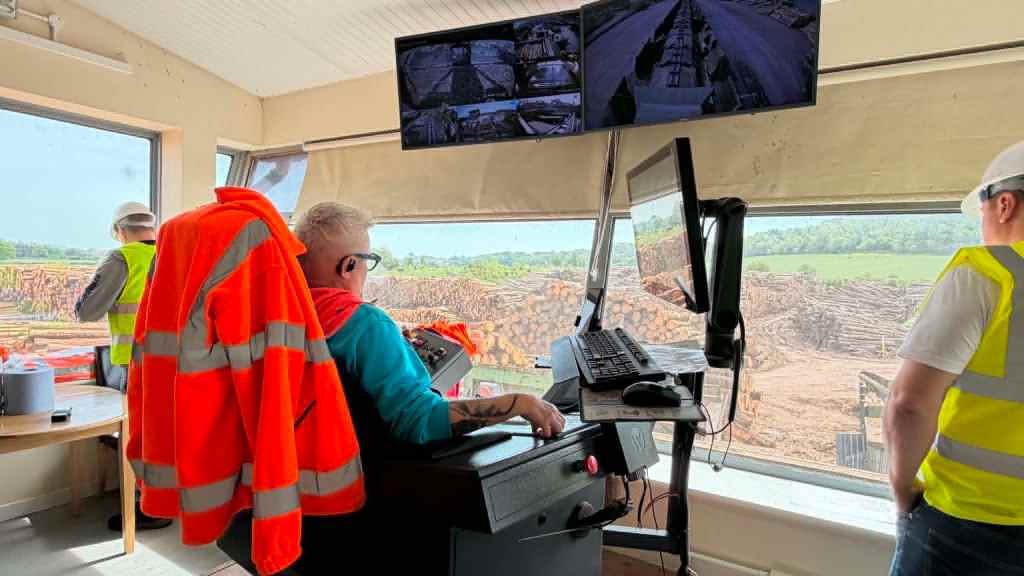
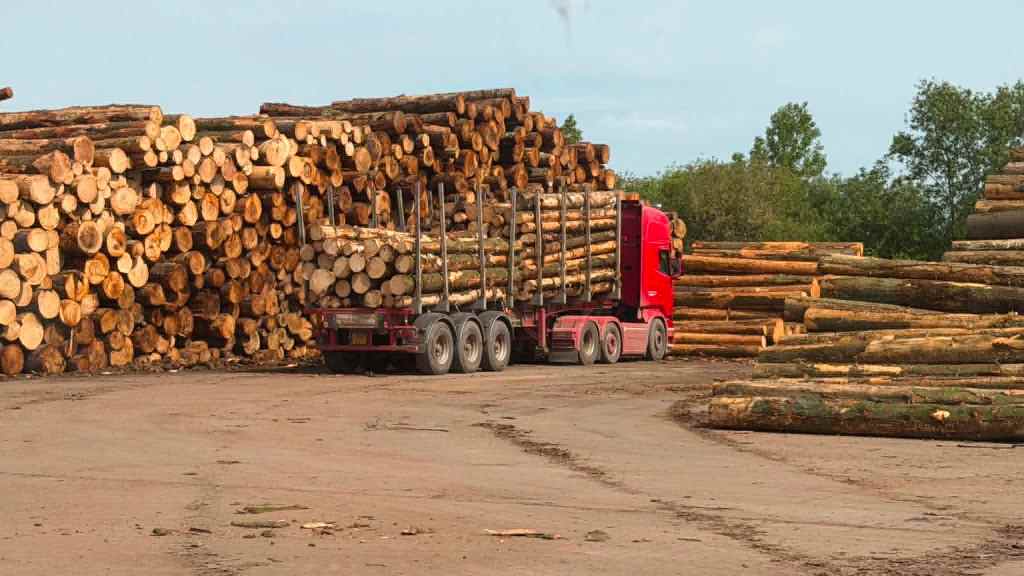
In addition to procuring timber, the organisation operates three harvesting contracting companies that work directly in the forest. They keep a fleet of 48 articulated trucks chosen for the collection of roundwood and the delivery of sawn timber. They collect 50% of the round timber they use, while 80-90% of their deliveries are conducted through their own transportation network.
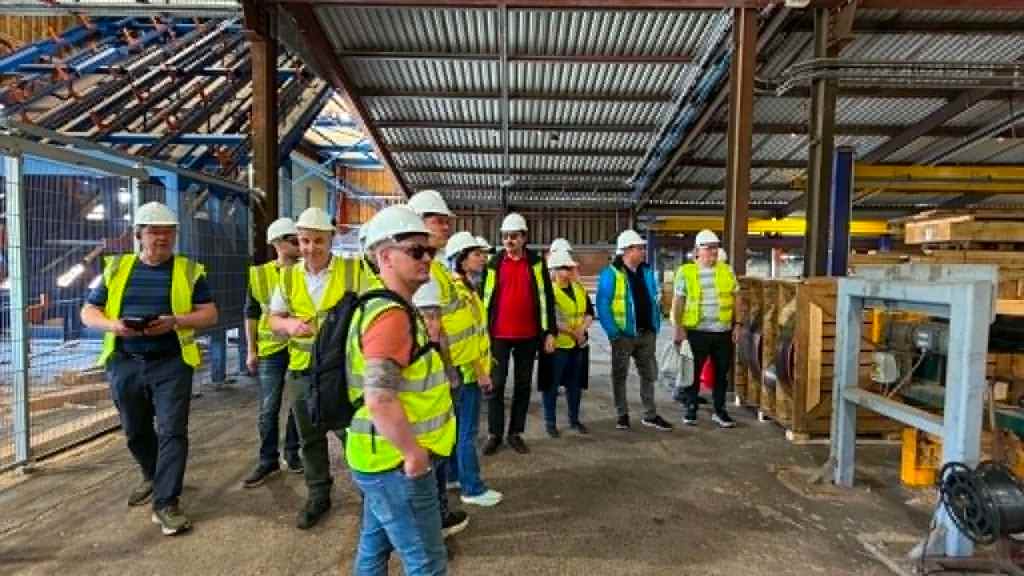
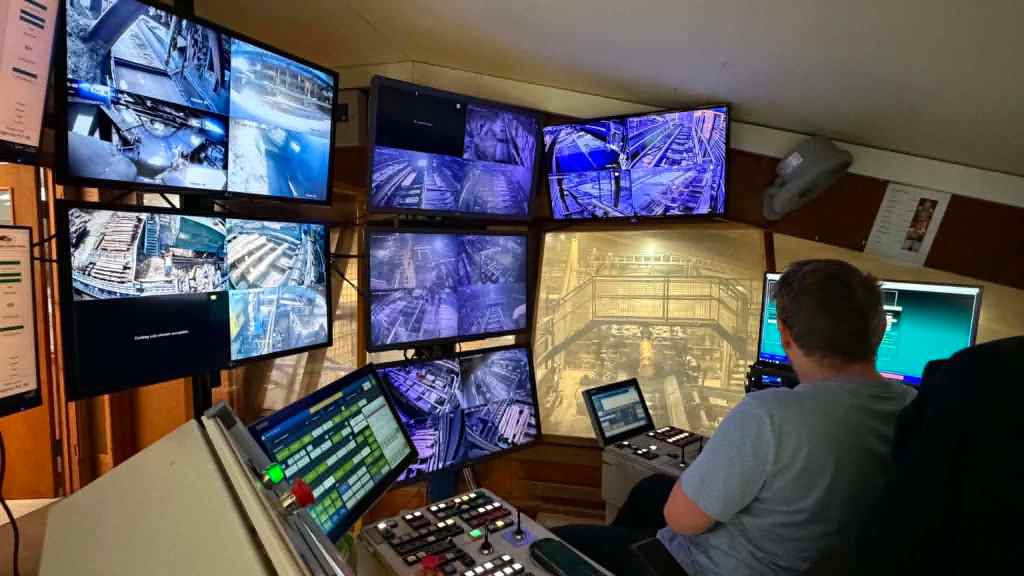
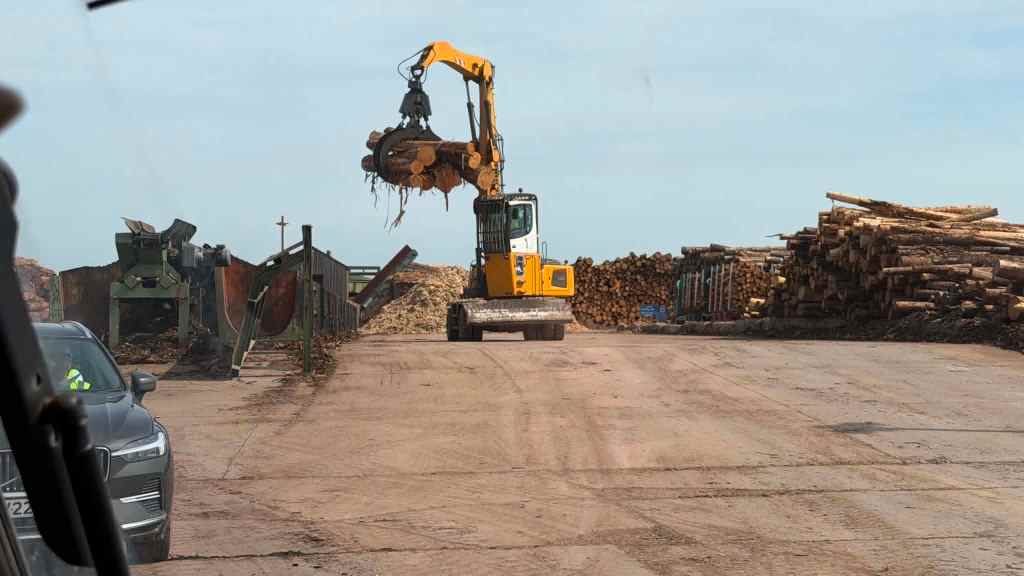
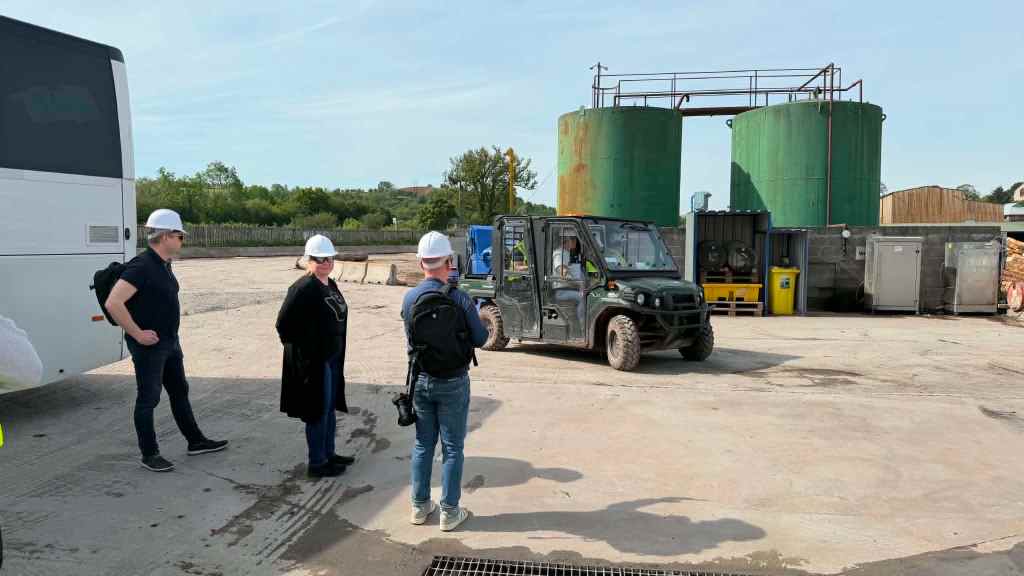
We were then taken on an extensive tour of the mill, which turned out to be the largest sawmill I had ever seen up close. As we entered, I was immediately struck by the sheer scale of the operation. The air was filled with the sounds of machinery whirring and the rhythmic thud of logs being processed. It was like stepping into a hive buzzing with activity. Workers expertly manoeuvred massive equipment, each person focused on their specific task, from cutting to sorting and packaging. The impressive coordination and hustle of everyone involved showcased the team’s efficiency and dedication.
The tour lasted approximately two and a half hours, after which we were transported back to our bus to regroup with the rest of the group for lunch in Abergavenny. Following another enjoyable dining experience, we set out on our journey to the town of Cardigan on the west coast.
The journey took longer than anticipated due to unforeseen circumstances, primarily my miscalculation of the time required to navigate through the congested town of Merthyr Tydfil during the Friday rush hour. Nevertheless, it was another remarkable experience characterised by a continually evolving landscape, often populated by sheep and lambs.
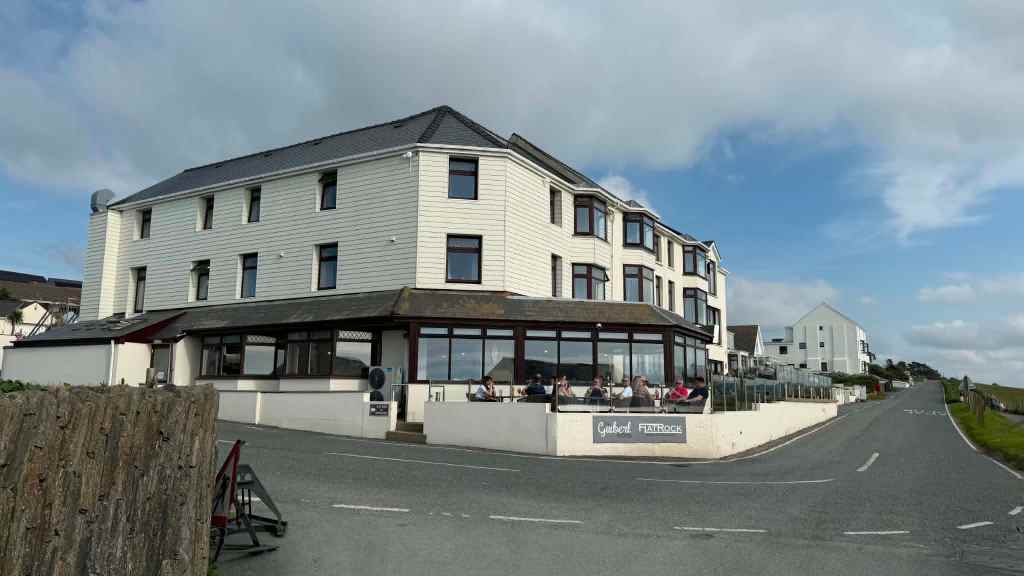

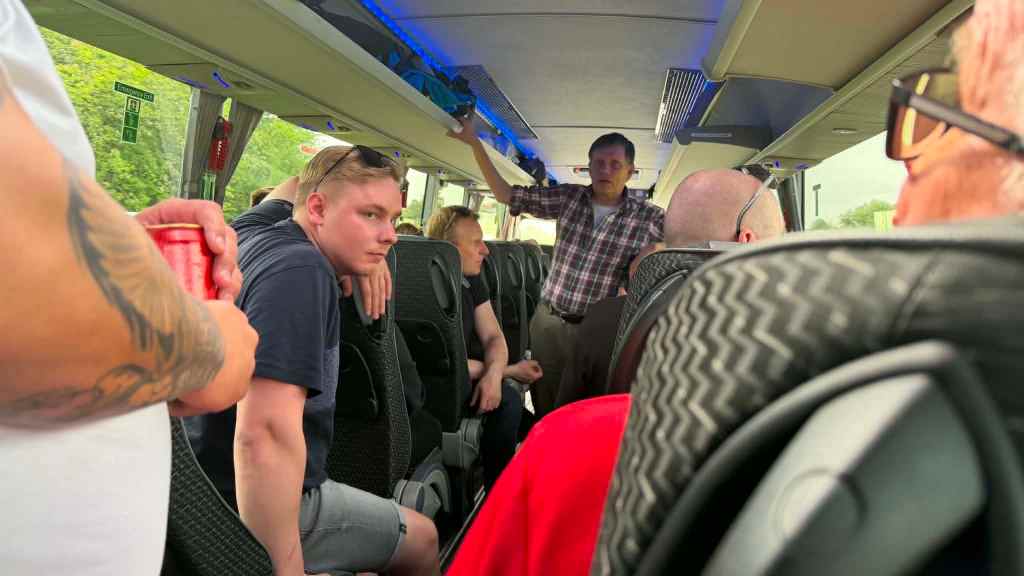
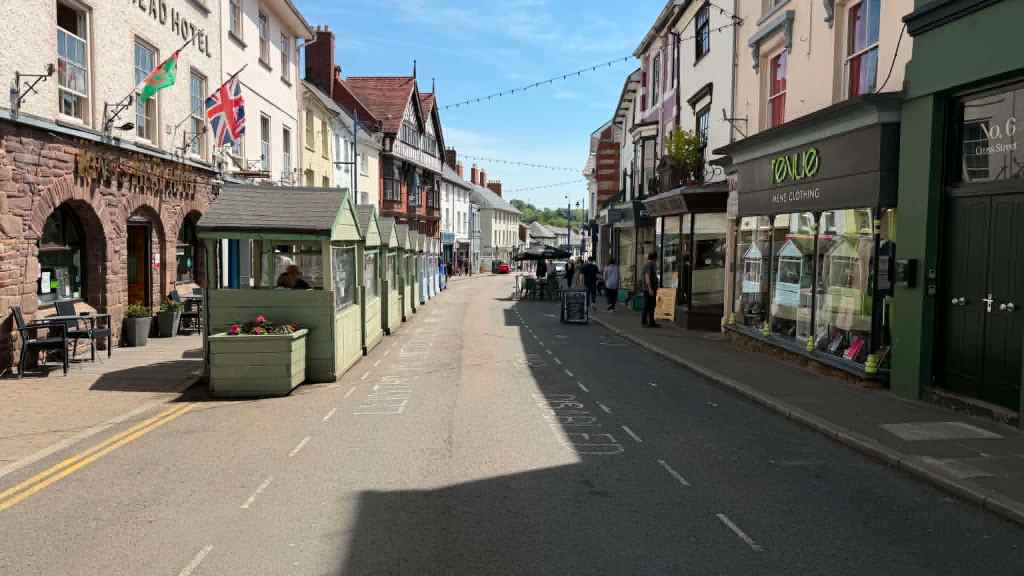

One striking aspect of my visit to Wales was the vibrant greenery and refreshing atmosphere that enveloped the landscape. Despite the region’s reputation for higher-than-average rainfall, this abundance of moisture contributes to the country’s breathtaking beauty. As I travelled through Wales, I found myself enchanted by the charming small villages, each adorned with lovely stone houses that seemed to tell stories of the past. The architecture, with its rustic facades and well-kept gardens, added a unique character to the surroundings. Everywhere we explored was remarkably clean and tidy, which enhanced the scenery’s overall appeal. This attention to cleanliness not only reflects the locals’ pride in their environment but also makes our experience more enjoyable, allowing us to fully appreciate the lush landscapes and serene vistas so characteristic of this remarkable part of the world.
The hotel was found on a clifftop just outside of Cardigan, offering a magnificent view of the Irish Sea. Fortunately, the weather was favourable during our visit, allowing us to appreciate the scenic vista while enjoying a cold beer on the outdoor terrace.
This was to be my last evening with the Finnish guests as they would be heading back to the airport the following evening and I would be heading for home.
Just before dinner, an unexpected presentation added a special touch to the evening. The presentation was conducted in Finnish, a language I am not fluent in, so I didn’t initially realise it was in my honour. As the event unfolded, Kari Palojärvi graciously stepped forward to present me with a stunning ceremonial hunting knife, skilfully handcrafted and emblematic of Finnish craftsmanship.
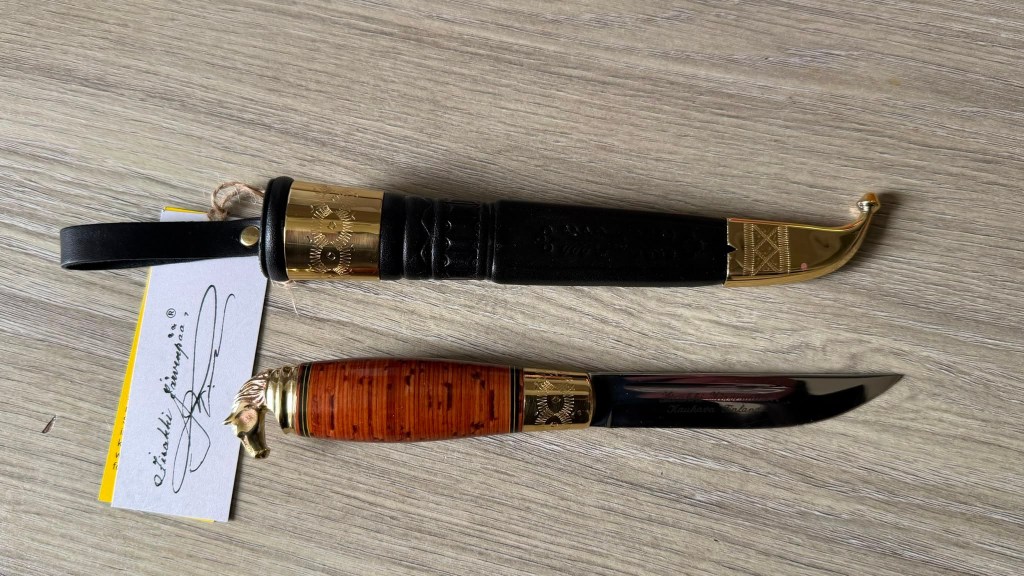
He shared with me a fascinating tradition deeply rooted in Finnish culture: a knife is given only to someone considered a trusted friend. This gesture not only highlighted the beauty of the knife itself, with its intricate designs and polished handle, but also underscored the significance of friendship and trust within the Finnish community. It was a moment that I will cherish, feeling honoured to be included in such a meaningful practice.
A lovely evening meal was followed by a few drinks with great company in the bar.
Saturday
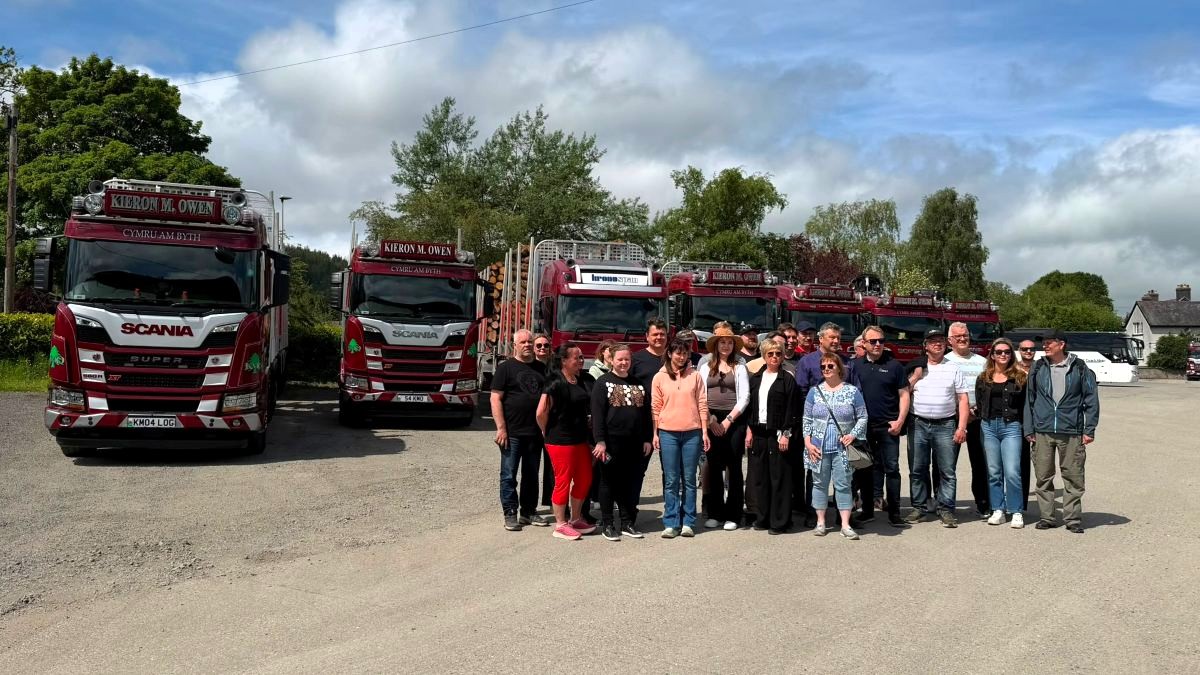
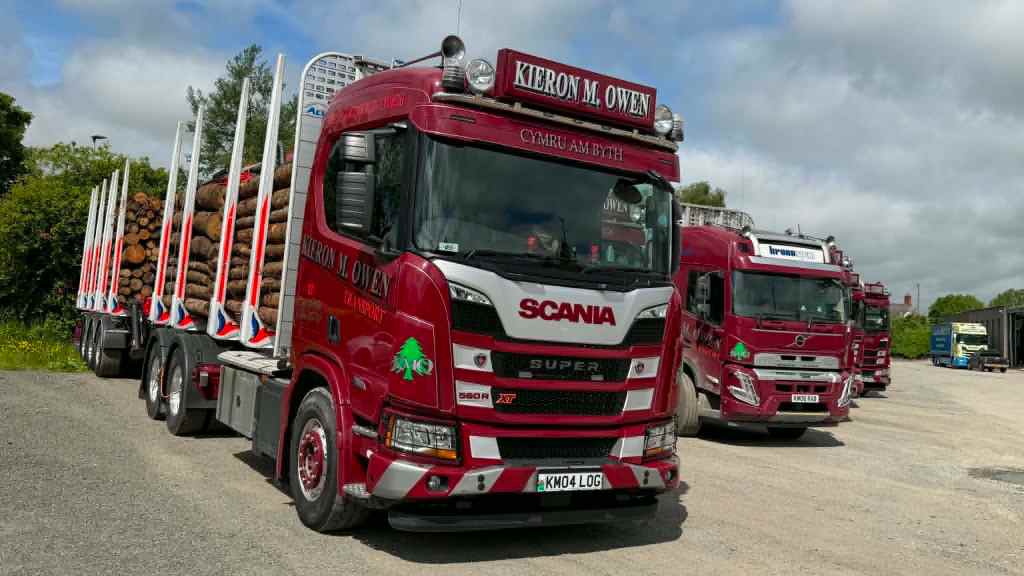
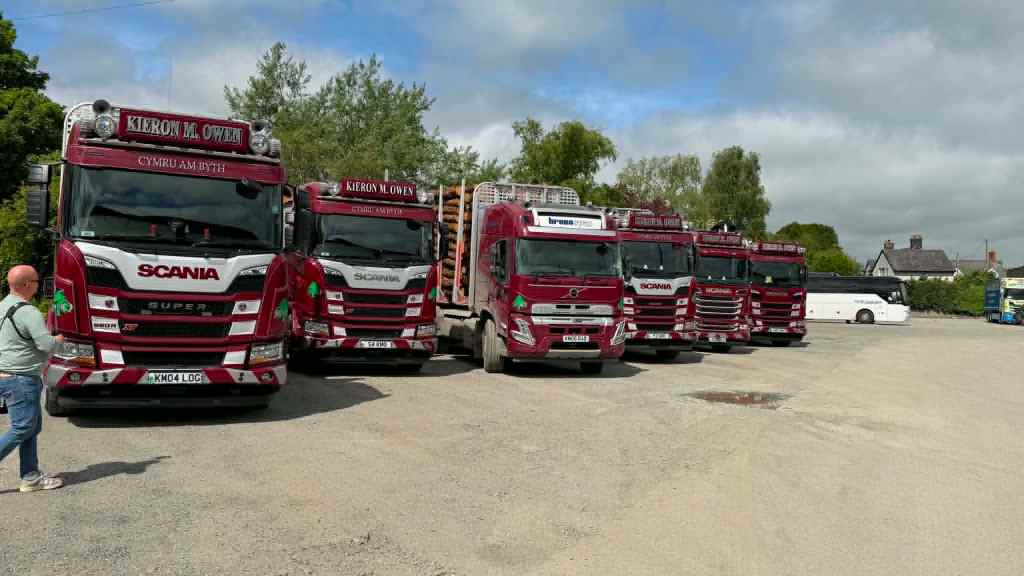
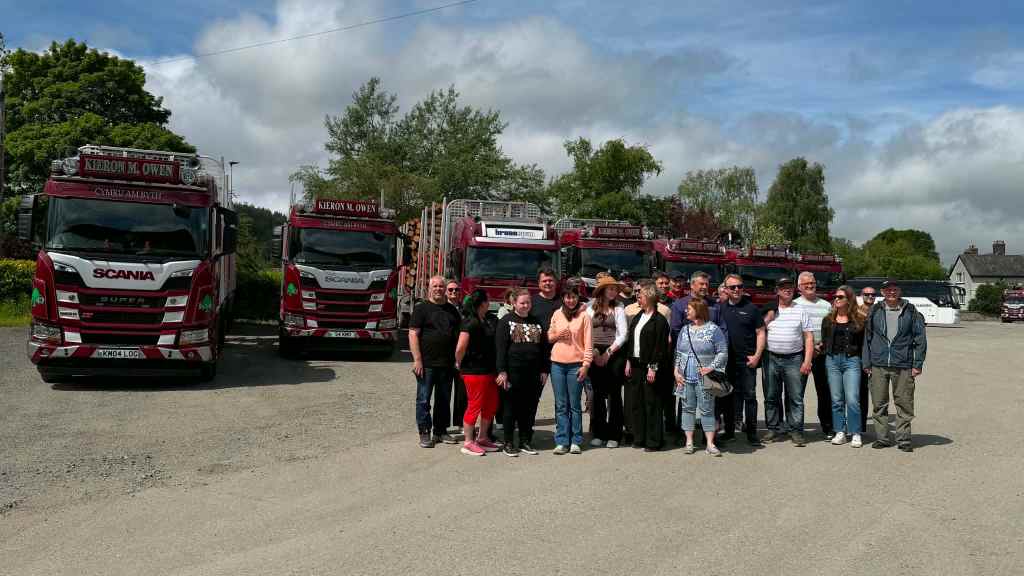
I had one additional trip planned before bidding farewell to my friends, which involved a pleasant drive along the coastline, followed by a journey to Newtown to visit Kieron M Owen, the United Kingdom’s second-largest round-timber haulier.
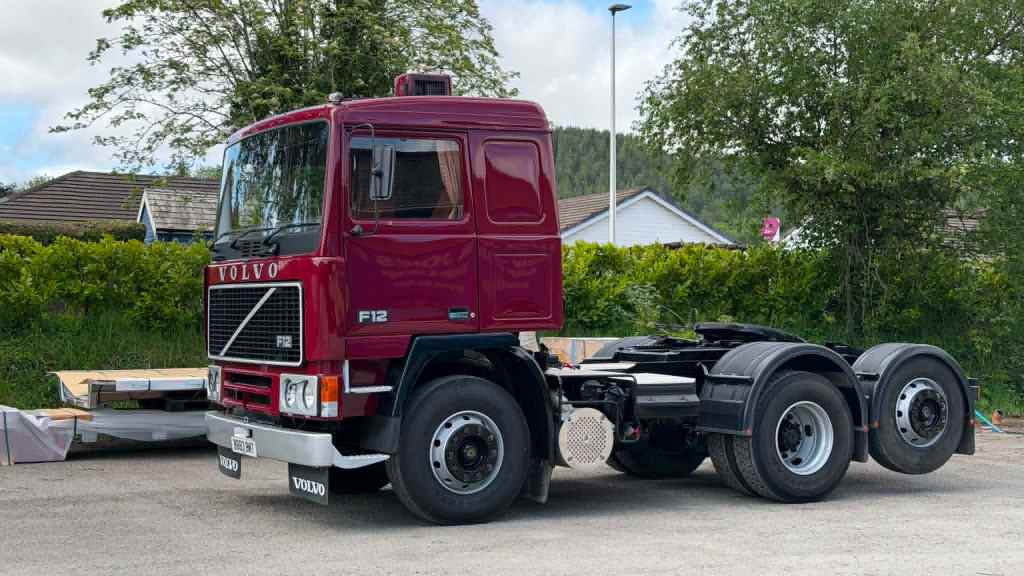
When we arrived, Kieron was already there, eagerly awaiting our arrival. It had been a few years since my last visit, and in that time, Kieron had made impressive strides in his business. He had expanded his workshop facilities significantly, incorporating new machinery and tools that allowed for greater efficiency and productivity. Additionally, Kieron had acquired more land, which not only provided space for his operations but also opened up new opportunities for growth.
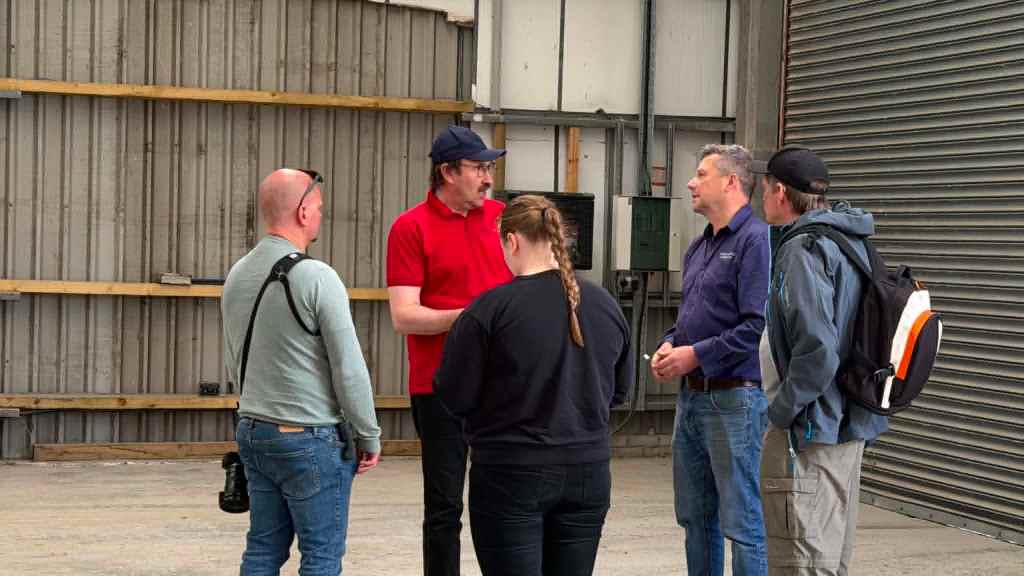
During our visit, the Finnish hauliers seemed genuinely interested in learning about our timber haulage processes. They were curious about the techniques, logistics, and technology we employed. Kieron, with his extensive knowledge and experience in the field, was more than capable of addressing their inquiries, providing insightful answers, and sharing his expertise. It was a productive exchange of ideas and information, making the visit beneficial for everyone involved.
Kieron had thoughtfully organised a lunch at a pub just a short drive away, but unfortunately, I had to decline the invitation because I had a train to catch. I bid farewell to everyone with a mix of gratitude and regret, knowing this meant missing a lovely meal with friends.



Reflecting on the week, it had truly been a remarkable experience—an incredible privilege to share some of the breathtaking landscapes and natural beauty that Wales has to offer with my Finnish friends. The rolling hills, rugged coastline, and serene lakes left a lasting impression on all of us. I had hoped to incorporate a few site visits into our itinerary; however, the driver was understandably hesitant about navigating the narrow, winding forest roads with the large coach. Given the precarious nature of those routes, who could blame him!
Until next time
Sign up for our free monthly newsletter here
Contact forestmachinemagazine@mail.com to get your products and services seen on the world’s largest professional forestry online news network.
#homeoflogging #writtenbyloggersforloggers #loggingallovertheworld
Written by loggers for loggers and dedicated solely to the equipment used in forestry operations.