
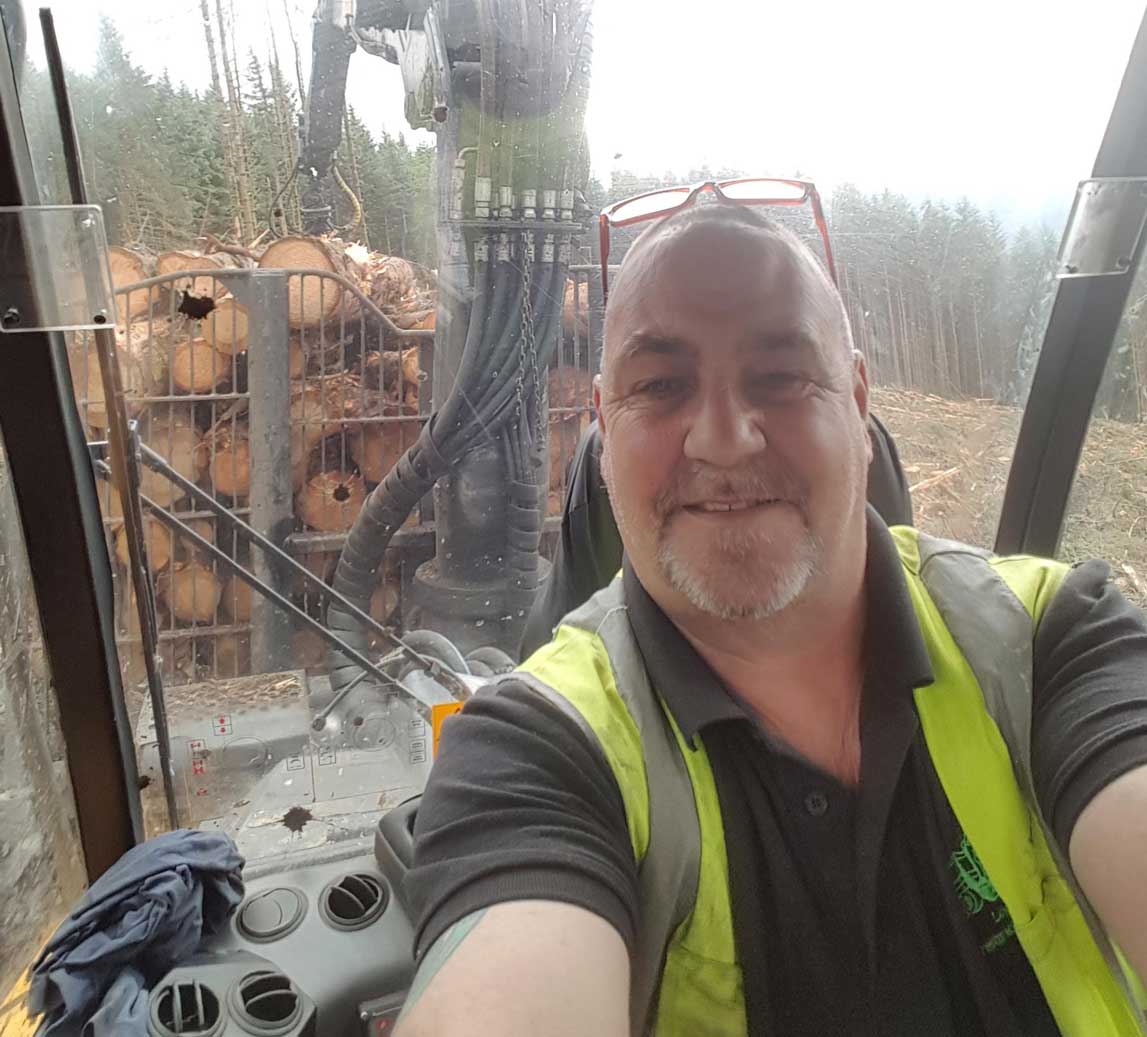
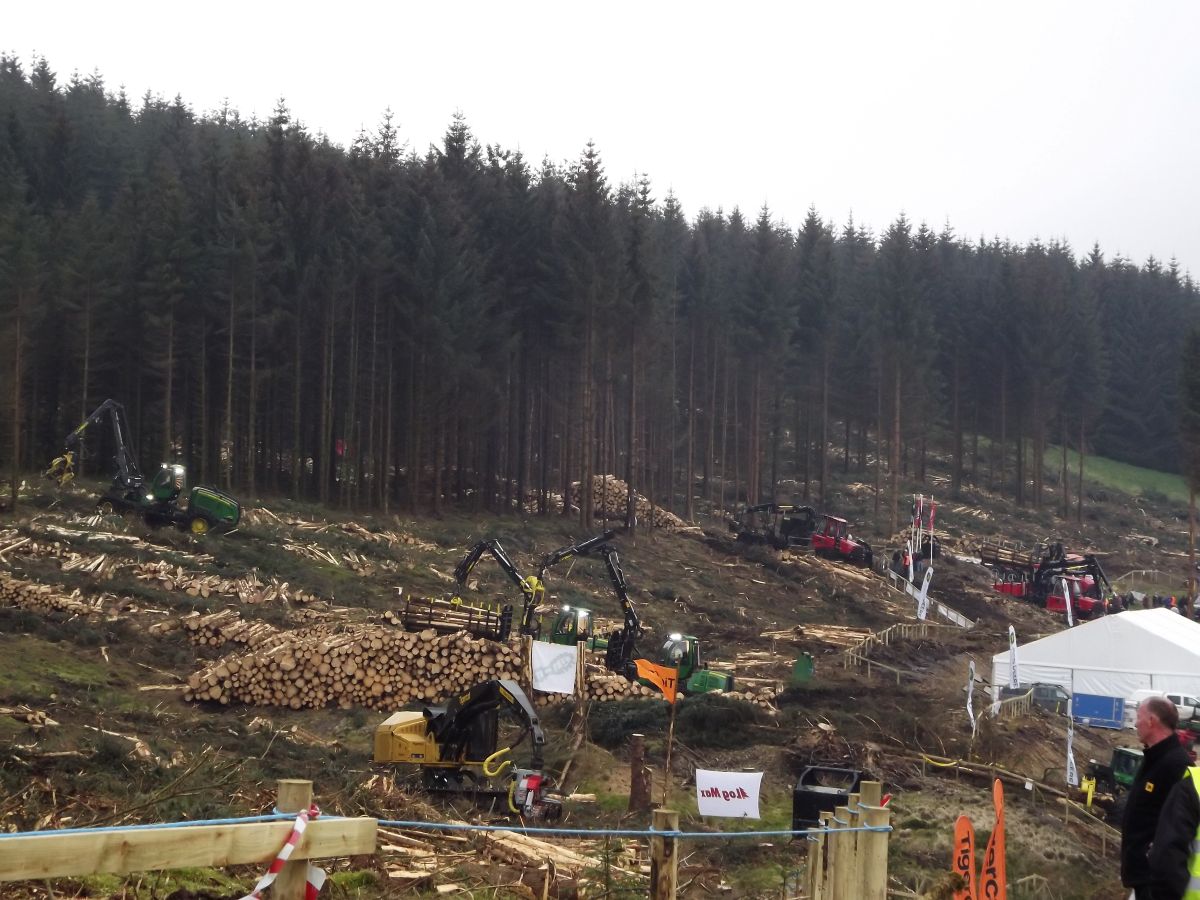
Timber harvesting in the UK is facing several pressures at the moment, and many contractors are finding conditions increasingly difficult.
The timber industry is currently maneuvering through an ever-evolving landscape marked by various challenges that significantly influence its growth and resilience. Several key factors are at play, intricately shaping the sector and determining its direction. Among these influences are shifting consumer preferences, environmental sustainability concerns, innovative technological advancements, and fluctuating market demands, each contributing to the industry’s complex and multifaceted environment.

-
The WeighPro Wireless Weighing Link represents a precise and dependable weighing system designed specifically for round timber, eliminating the need for re-calibration. This system offers operators minimal maintenance requirements, boasting an impressive battery life of up to two years between recharges.
-
That’s a remarkable amount of work hours for a single machine, the Norcar 600 owned by Erkki Rinne is taken well care of, it even has the original Diesel engine.
-
It is not possible to eliminate chain shot, but there are simple steps that can be taken to reduce the risk.
-
Arwel takes great pride in the fact that the mill has no waste whatsoever, “the peelings are used for children’s playgrounds, gardens and for farm animals in barns in the winter and the sawdust has multiple uses in gardens and farms as well.
-
Timber hauliers need to encourage young blood in, and also look after the hauliers we have, we need make the sector a safe and positive place to work.
FIND US ON
Timber Demand Trends
A slowdown in homebuilding and construction activities has influenced the demand for structural timber. As a result, some sawmills are thoughtfully adjusting their production levels and operational strategies.
Timber at Roadsides
In various regions, the pace of timber harvesting has outstripped the capacity for haulage and processing. This has led to logs sitting at roadsides for long periods.
Operational Costs
The substantial costs associated with fuel, machinery, labour, and insurance represent a significant concern for contractors.
Skilled Labour Availability
The industry is experiencing a notable shortage of skilled machine operators, mechanics, and timber truck drivers.
Weather Impact
Changing weather patterns, including unpredictable storms and wet winters, are affecting harvesting operations.
Future Timber Supply
While new planting efforts are underway, aligning them with future demand is crucial for maintaining a robust supply of logs..
Despite these challenges, the timber industry is poised for growth and evolution by embracing change and focusing on sustainable practices.
The long-term outlook for timber remains positive. The UK still imports around 80% of the timber it uses, so there is strong underlying demand for home-grown wood. The current issues are affecting profitability and the speed of harvesting more than the long-term need for timber. Improving the current situation requires action from forest owners, contractors, processors and government. No single change will solve it, but several measures together could make a significant difference.

Some of the most effective steps are:
Increase domestic demand for timber by encouraging greater use of timber in housebuilding, commercial buildings and infrastructure. A stronger home market gives harvesting contractors more consistent work.
Expand UK sawmill capacity so more home-grown timber can be processed locally, reducing bottlenecks and reliance on exports.
Improve harvesting planning between forest owners, contractors, hauliers and mills to avoid large volumes of timber sitting at roadside waiting for transport.
Invest in transport infrastructure, including forest roads and timber haulage routes, to improve efficiency and reduce costs.
Support forestry contractors through grants or low-interest finance for modern, fuel-efficient machinery, helping businesses cope with high capital costs.
Train and recruit more people by expanding forestry apprenticeships and machine operator training to address the shortage of skilled workers.
Provide long-term certainty through consistent woodland creation and management policies, giving contractors and mills confidence to invest.
Improve woodland creation rates so there is a sustainable supply of timber in the decades ahead.
Promote better utilisation of timber, finding higher-value uses for lower-grade logs and increasing markets for biomass, engineered wood products and other forest products.
Encourage innovation, such as digital planning tools, precision harvesting systems and technologies that improve productivity while reducing environmental impacts.
For the UK in particular, many people in the forestry sector believe the biggest priorities are:
1. Increasing demand for home-grown timber.
2. Raising woodland creation to secure future supply.
3. Improving profitability for harvesting contractors.
4. Investing in skills and workforce development
If these areas are addressed together, the industry would be in a much stronger position to meet future demand while remaining economically sustainable.
Increase domestic demand for timber by encouraging greater use of timber in housebuilding, commercial buildings and infrastructure. A stronger home market gives harvesting contractors more consistent work.
Expand UK sawmill capacity so more home-grown timber can be processed locally, reducing bottlenecks and reliance on exports.
Improve harvesting planning between forest owners, contractors, hauliers and mills to avoid large volumes of timber sitting at roadside waiting for transport.
Invest in transport infrastructure, including forest roads and timber haulage routes, to improve efficiency and reduce costs.
Support forestry contractors through grants or low-interest finance for modern, fuel-efficient machinery, helping businesses cope with high capital costs.
Train and recruit more people by expanding forestry apprenticeships and machine operator training to address the shortage of skilled workers.
Provide long-term certainty through consistent woodland creation and management policies, giving contractors and mills confidence to invest.
Improve woodland creation rates so there is a sustainable supply of timber in the decades ahead.
Promote better utilisation of timber, finding higher-value uses for lower-grade logs and increasing markets for biomass, engineered wood products and other forest products.
Encourage innovation, such as digital planning tools, precision harvesting systems and technologies that improve productivity while reducing environmental impacts.
For the UK in particular, many people in the forestry sector believe the biggest priorities are:
Increasing demand for home-grown timber.
Raising woodland creation to secure future supply.
Improving profitability for harvesting contractors.
Investing in skills and workforce development.
If these areas are addressed together, the industry would be in a much stronger position to meet future demand while remaining economically sustainable.
Every day, I review numerous press releases, and one observation stands out to me: rising timber prices do not always provide a comprehensive picture of market performance.
While many may interpret increasing prices as a sign of economic recovery in the timber industry, this perspective can be misleading.
The reality is that a genuine recovery is more accurately reflected by the volume of timber being harvested and leaving the forest.
An uptick in prices might suggest that demand is high or supply is limited, but without a significant flow of timber from the forest, it’s difficult to conclude that the market is truly on the mend.
The relationship between price fluctuations and actual market health is complex and deserves a deeper examination beyond surface-level metrics.

Contact forestmachinemagazine@mail.com to get your products and services seen on the world’s largest professional forestry online news network.
#homeoflogging #writtenbyloggersforloggers #loggingallovertheworld
Written by loggers for loggers and dedicated to keeping you up to date with the latest forestry news and events