
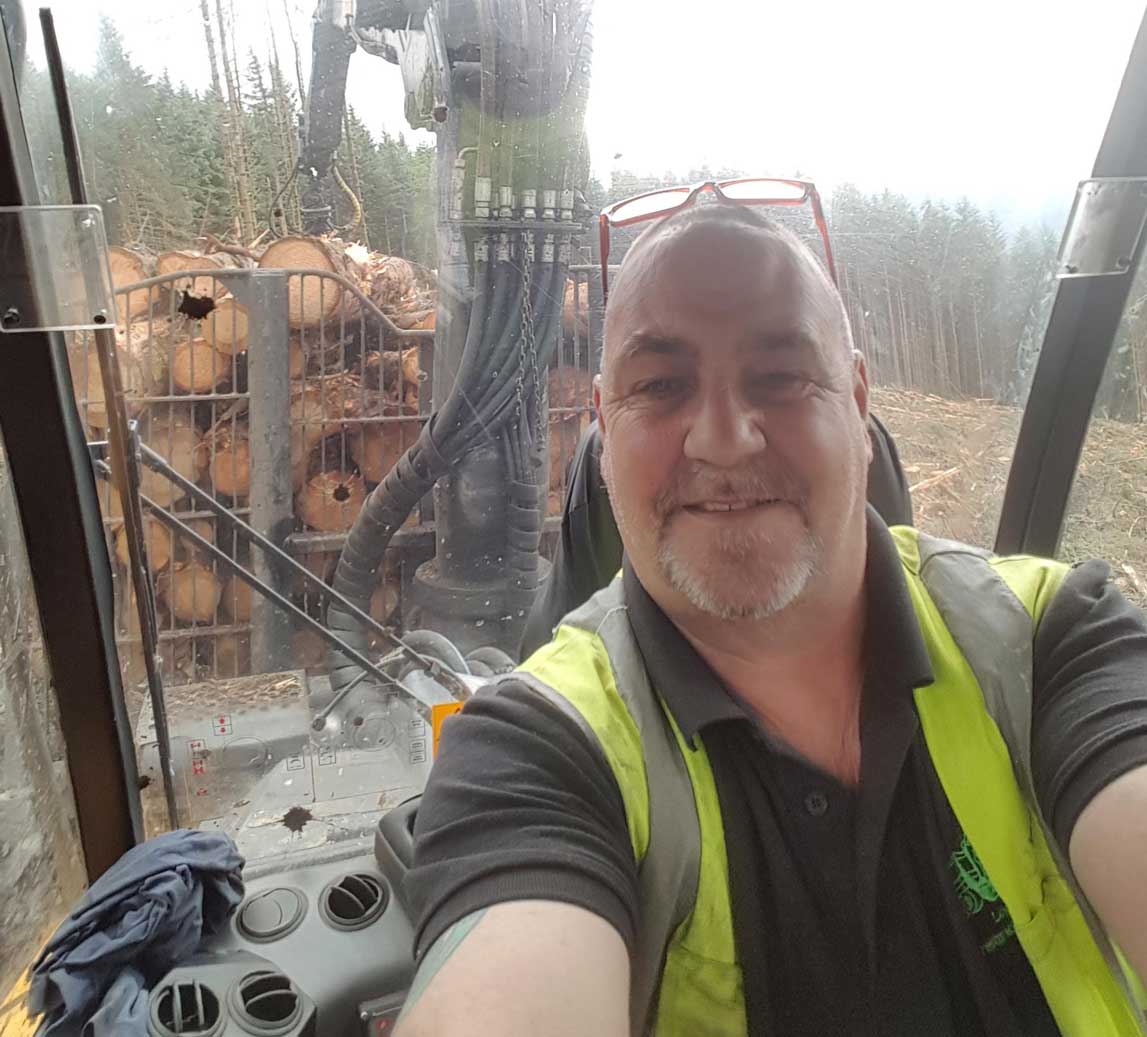

Listing your used forestry equipment correctly in classified adverts is crucial for standing out in a competitive marketplace and attracting potential buyers.
Forestry Classified Adverts-A used forwarder can sit for weeks with barely a call, while another near-identical machine shifts in days. Same age bracket, similar hours, similar money. The difference is often the advert. In forestry classified adverts, buyers are not browsing for entertainment. They are checking hours, spec, condition, location, transport practicality and whether the seller sounds straight. If the listing is vague, padded out, or missing the details that matter on site, the enquiry usually goes elsewhere.
That is what makes classifieds in this sector different from general machinery listings. Forestry buyers tend to know exactly what they are looking at. They can spot a thin description a mile off. They also know that one missing line in an advert – crane make, tyre size, tracks included, recent pump work, plate status, road legality, PTO setup – can mean a wasted phone call or a wasted day.
-
The WeighPro Wireless Weighing Link represents a precise and dependable weighing system designed specifically for round timber, eliminating the need for re-calibration. This system offers operators minimal maintenance requirements, boasting an impressive battery life of up to two years between recharges.
-
That’s a remarkable amount of work hours for a single machine, the Norcar 600 owned by Erkki Rinne is taken well care of, it even has the original Diesel engine.
-
It is not possible to eliminate chain shot, but there are simple steps that can be taken to reduce the risk.
-
Arwel takes great pride in the fact that the mill has no waste whatsoever, “the peelings are used for children’s playgrounds, gardens and for farm animals in barns in the winter and the sawdust has multiple uses in gardens and farms as well.
-
Timber hauliers need to encourage young blood in, and also look after the hauliers we have, we need make the sector a safe and positive place to work.
FIND US ON
Why forestry classified adverts still matter
For all the talk around digital marketing, social feeds and video walkarounds, forestry classified adverts still do a straightforward job very well. They put machines, parts, jobs and services in front of a trade audience that is already interested and often ready to act. A harvesting contractor with a machine down does not want lifestyle branding. He wants a processor head, a competent fitter, or a replacement unit that can be moved quickly.
That is why sector-specific listings still hold their ground. In a specialist market, relevance beats reach. A broad marketplace may show your advert to more people, but most of them are the wrong people. A forestry platform puts the advert in front of contractors, operators, timber haulage firms, dealers, woodland managers and buyers who understand the value of a tidy machine and the cost of downtime.
There is another point here. Classifieds are not only for moving older kit. They are often where businesses test demand, clear surplus stock, recruit staff, find sub-contract support or source attachments that are hard to find through ordinary dealer channels. In practical terms, they remain one of the quickest commercial tools in the trade.
What buyers actually look for in forestry classified adverts
The first thing a buyer wants is clarity. Not sales patter, not buzzwords, and not a long story that avoids the hard facts. In forestry, the hard facts are the advert.
If you are listing a harvester, forwarder, skidder, timber trailer, chipper, sawmill line, low loader or a set of chainsaw accessories, the buyer wants to know the basics immediately. Make, model, year, hours, condition, location and price need to be obvious. After that comes the operational detail. Has the machine been working daily or standing? Has it had major rebuild work? Are there known faults? Are the tyres, bogies, crane pins, hoses, bearings or feed rollers near the end of their life? Is VAT included or plus VAT? Can it be viewed in work?
That level of detail matters because forestry kit is bought on use-case, not just appearance. A machine may look presentable in photographs but still be wrong for the job. A contractor thinning on steep ground wants different reassurance from a buyer looking for a roadside processing setup. A haulage operator looking at a timber lorry is thinking about axle layout, body condition, MOT position, crane operation and legal payload, not whether the advert sounds polished.
Good forestry classified adverts respect that mindset. They answer sensible questions before the phone rings.
Writing a listing that saves time
A strong advert does two things at once. It attracts serious enquiries and filters out time-wasters. That starts with the headline. Keep it simple and factual. The make and model should do the heavy lifting. If there is something especially relevant, include it only if it truly helps, such as low hours, recent engine rebuild, manual gearbox, crane included, or ready for work.
The body of the listing should then follow the same logic a buyer would use when walking round the machine. Start with the main spec, then move into condition, service history and any extras. If the machine has faults, say so plainly. In this trade, honesty often helps a sale more than pretending. A buyer is far less put off by, “needs two new tyres and air-con not working” than by finding out later that the advert danced round the truth.
Photos matter, but not in the way general advertisers think. You do not need artistic angles. You need useful images. Show both sides, cab, crane, head or trailer bed, tyres or tracks, engine bay if relevant, and any wear points or damage. If there is notable refurbishment, photograph it. If there is a crack repair, photograph that too. It saves arguments and builds trust.
Price presentation also affects response. If there is a firm figure, say it. If the seller genuinely wants offers, that can work on specialist kit, but only where the market is less clear. On common used machinery, no price often means fewer serious calls because buyers assume either the number is too high or the seller is fishing.
Jobs, services and parts need a different approach
Not all forestry classified adverts are machinery adverts, and that is where many listings miss the mark. A job advert, for example, should not read like a general recruitment notice. If you need an experienced machine operator, say what machine, what work, what region and what tickets or experience are expected. Ground conditions, shift patterns, accommodation, and whether the role is employed or subcontract all matter. Forestry labour is too specialised for vague wording.
The same applies to service adverts. If you are offering low loader work, mobile welding, hydraulic hose repair, contract chipping, roadside timber haulage or vegetation clearance, be specific about capacity and coverage. A buyer wants to know whether you can actually do the job, where you will travel, and what equipment you are running.
Parts and attachments are another category where detail pays. Too many adverts simply say “forestry crane for sale” or “winch, good condition”. That is not enough. Compatibility is everything. Mounting details, hydraulic requirements, control setup, condition, and whether brackets or guarding are included should all be there.
Where sellers go wrong
Most weak classifieds fail in familiar ways. They are too short, too vague, or too optimistic. A seller assumes the buyer will ring for the detail, but in reality the buyer scrolls on to the next advert that gives him what he needs.
Another common mistake is overclaiming. Terms like immaculate, mint, or ready for work get used too loosely. In forestry, those words carry risk because the trade will test them fast. A machine that is genuinely ready for work should have the paperwork, service background and visible condition to back that up.
Then there is the issue of missing context. A machine may be mechanically sound but coming off very heavy harvesting. That does not make it a bad buy, but it does shape the buyer’s view on price and future spend. Likewise, a lower-hour machine that has stood for long periods may need its own explanation. It depends on the machine, the work history and the type of buyer.
This is where trade-led platforms earn their keep. An audience that understands forestry does not need the advert softened. It needs the advert sharpened.
Why the right audience matters more than a flashy advert
The best listing in the world is wasted if it is shown to the wrong market. Forestry is still a relationship-driven, word-of-mouth-heavy sector, but it also runs on speed. If a buyer can find the right machine, part or operator in one place, that matters. Specialist publishing and marketplace formats work because they keep that process tight.
For a title in this space, such as Forest Machine Magazine, the value is not just traffic. It is qualified traffic. The reader is already in the trade. He is likely already comparing machines, hiring staff, sourcing services or watching the used market. That makes the advert more useful from the start.
There is also a credibility factor. In a specialist environment, sellers are more likely to write for people who know the difference between a polished listing and a dependable one. That tends to raise the standard of the advert itself.

Making forestry classified adverts pay their way
If you are spending money on classifieds, the aim is not simply visibility. It is response that leads somewhere. Better adverts usually come from sellers who think like operators and buyers rather than marketers. They know the machine’s working life, they understand what details affect value, and they do not bury the facts.
That does not mean every advert must be long. It means every line must earn its place. If you can say what it is, where it is, what shape it is in, what it comes with and what it costs, you are already ahead of half the market. Add honest photos and a sensible contact route, and the advert starts doing what it is meant to do.
The classified page has always been one of the trade’s most practical spaces. It is where machinery moves, jobs get filled, and useful kit changes hands without fuss. Treat it like a working tool, not a noticeboard, and it will usually return the favour.
Sign up for our free monthly newsletter here
Contact forestmachinemagazine@mail.com to get your products and services seen on the world’s largest professional forestry online news network.
#homeoflogging #writtenbyloggersforloggers #loggingallovertheworld
Written by loggers for loggers and dedicated solely to the equipment used in forestry operations.