
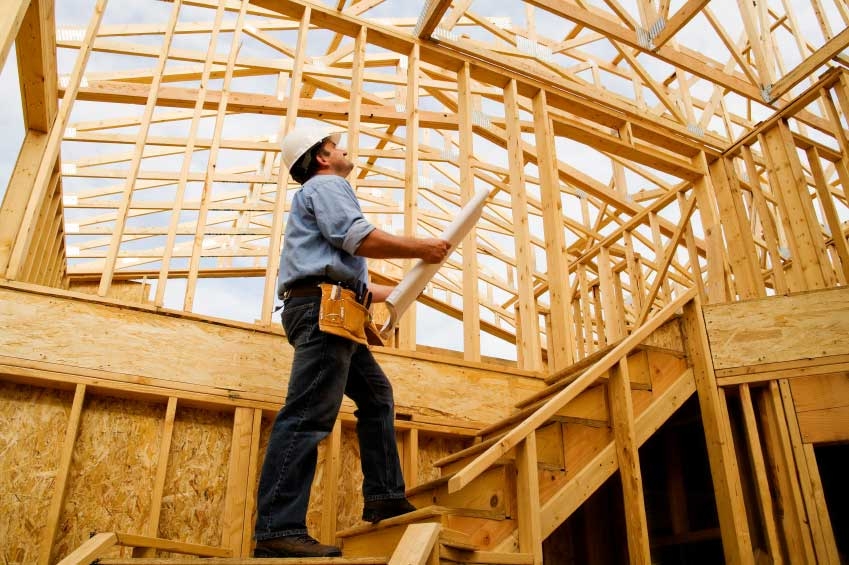
A research initiative has demonstrated “major potential” for English-grown timber in sustainable construction.
The Building from England’s Woodlands project, funded by the Forestry Commission’s Woods into Management Forestry Innovation Fund, has demonstrated that English-grown timber could play a role in delivering low-carbon buildings, supporting biodiversity and strengthening domestic supply chains.
-
The WeighPro Wireless Weighing Link represents a precise and dependable weighing system designed specifically for round timber, eliminating the need for re-calibration. This system offers operators minimal maintenance requirements, boasting an impressive battery life of up to two years between recharges.
-
That’s a remarkable amount of work hours for a single machine, the Norcar 600 owned by Erkki Rinne is taken well care of, it even has the original Diesel engine.
-
It is not possible to eliminate chain shot, but there are simple steps that can be taken to reduce the risk.
-
Arwel takes great pride in the fact that the mill has no waste whatsoever, “the peelings are used for children’s playgrounds, gardens and for farm animals in barns in the winter and the sawdust has multiple uses in gardens and farms as well.
-
Timber hauliers need to encourage young blood in, and also look after the hauliers we have, we need make the sector a safe and positive place to work.
FIND US ON
The project, led by the New Model Institute for Technology and Engineering (NMITE), Edinburgh Napier University, Built Environment – Smarter Transformation (BE-ST), Ecosystems Technologies and dRMM Architects, explored how English-grown timber can be used more effectively in modern building systems.
It found that English hardwoods can play a significant role in structural applications when selected and specified appropriately.
The project also developed hybrid engineered timber products that combine hardwood and softwood in a single structural element.
Testing showed that hybrid cross-laminated timber and glued-laminated timber products (glulam) met all required strength and durability criteria using existing manufacturing methods.
The use of hardwood in key structural zones also allowed for material savings of approximately 10% to 15%.
Examples
Real-world examples included the Building from Forests display at the Victoria and Albert Museum in London, and the installation of a hybrid hardwood-softwood glulam beam in NMITE’s new Skills Hub building in Hereford.
The project also found that the greater use of English timber could reduce embodied carbon, increase long-term carbon storage in buildings, support more resilient and biodiverse forests, and strengthen rural economies through local manufacturing and value-added processing.
The findings mark a step towards a future in which forests, manufacturing, and construction work together to create sustainable buildings while supporting healthier landscapes and stronger local economies, the research said.
The research also aligns with the UK government’s Timber in Construction Roadmap and wider net zero ambitions.
David Bole, head of green economy and skills at the Forestry Commission, said: “By unlocking the potential of our forests, we can reduce reliance on imported and carbon-intensive materials, support healthier and more resilient woodlands, and create new opportunities for sustainable growth across the forestry, manufacturing and construction sectors.”
Louise Rogers, impact manager of housing and manufacturing at BE-ST, said: “This work directly supports the ambitions of the Timber in Construction Roadmap by providing evidence that innovation, domestic manufacturing capability and supply chain collaboration can help accelerate the transition to a lower-carbon built environment.”

Source; Insidehousing.co.uk
Contact forestmachinemagazine@mail.com to promote your products and services on the world’s largest professional forestry online news network.
#homeoflogging #writtenbyloggersforloggers #loggingallovertheworld
Written by loggers for loggers and dedicated solely to forestry equipment.